May we use Google Analytics cookies to see which pages are visited? We don't use ads. Privacy Policy

SkyRoad
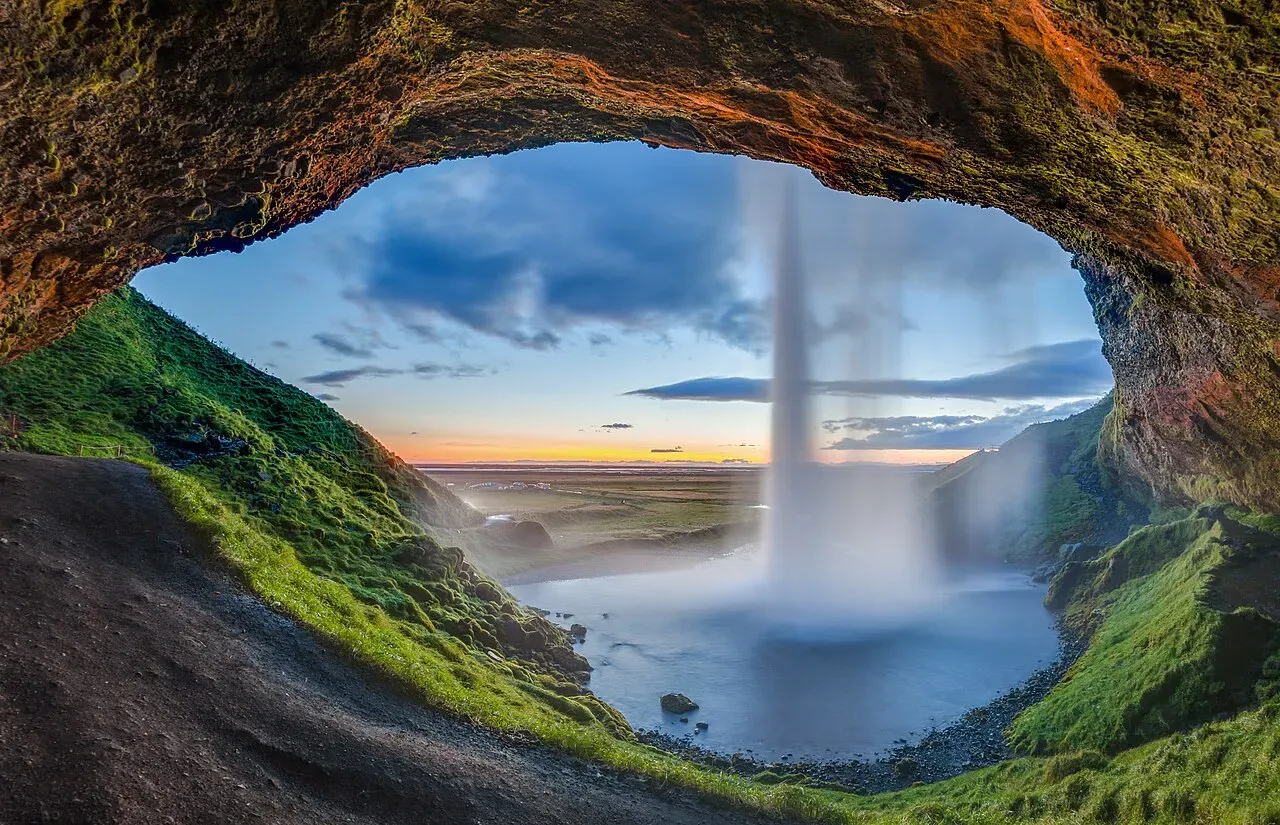
Seljalandsfoss waterfall on the South Coast

The South Coast

Waterfalls, black sand beaches and glaciers along Route 1, from Reykjavík to Jökulsárlón.

379 km Reykjavík to Jökulsárlón
Distance
~5 hours non-stop
Drive Time
Year-round, summer ideal
Best Season

Seljalandsfoss

Route overview

Iceland’s South Coast is the most popular driving route in the country. The 350-kilometre stretch from Reykjavík to Jökulsárlón Glacier Lagoon packs an extraordinary density of natural sights into a single ribbon of asphalt along Route 1.

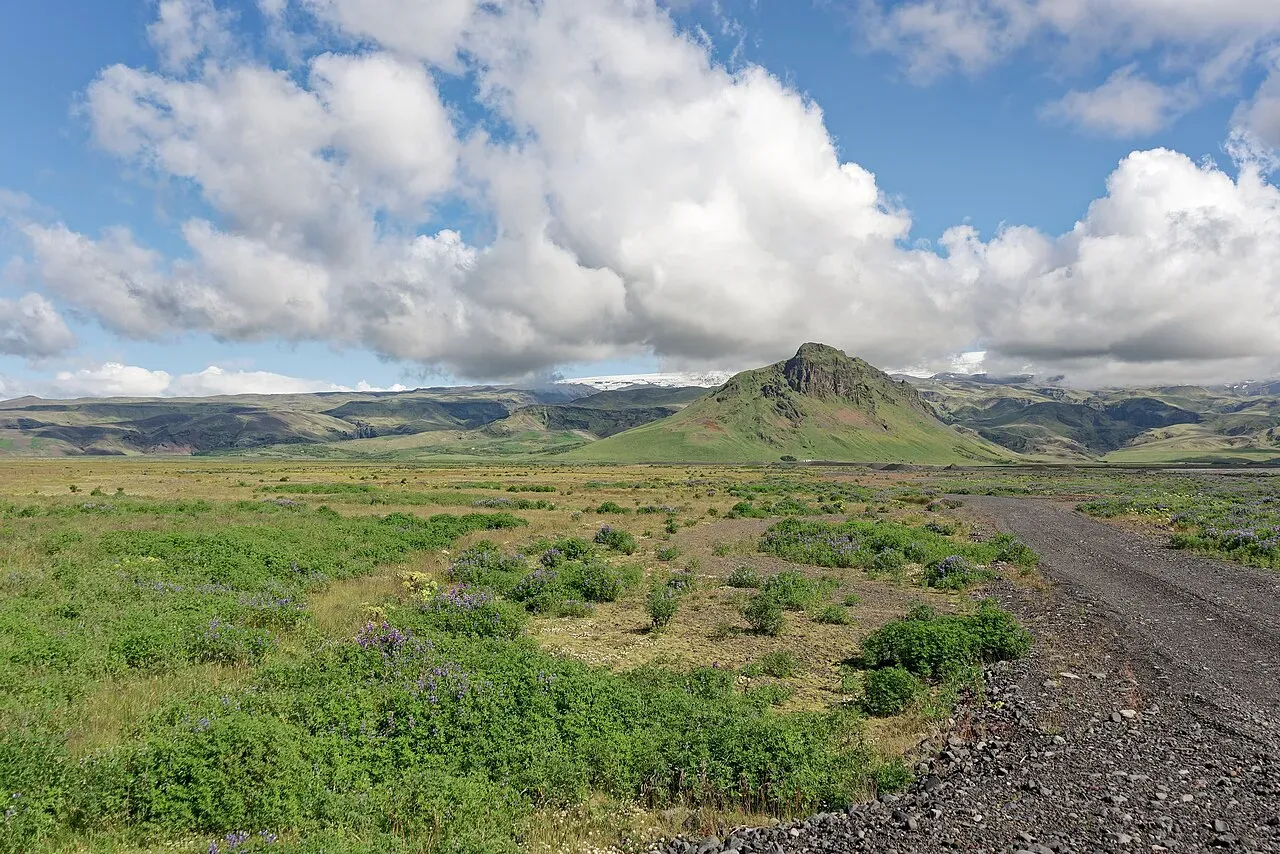
Leaving Reykjavík, the landscape quickly shifts from suburban sprawl to vast farmland backed by glacier-capped volcanoes. Within 90 minutes you reach the first major waterfall, Seljalandsfoss, and from there the stops keep coming: Skógafoss, the black sand beach at Reynisfjara, the village of Vík, vast glacial outwash plains, Jökulsárlón Glacier Lagoon, and Diamond Beach.

The drive itself takes roughly five hours non-stop, but nobody should attempt it without stopping. A single day allows you to reach Vík and return. To see Jökulsárlón and Diamond Beach without rushing, plan two full days with an overnight near Vík or further east.

How many days

Day trip (10–12 hours)

Reykjavík to Vík and back, stopping at Seljalandsfoss, Skógafoss, and Reynisfjara
2-day trip (recommended)

Day 1 to Jökulsárlón with stops, overnight near Jökulsárlón or in Höfn. Day 2 return with anything you missed

3+ days

Add glacier hikes, ice cave tours, and unhurried exploration of every stop
Skógafoss

Skógafoss

Stops along the way

Seljalandsfoss waterfall

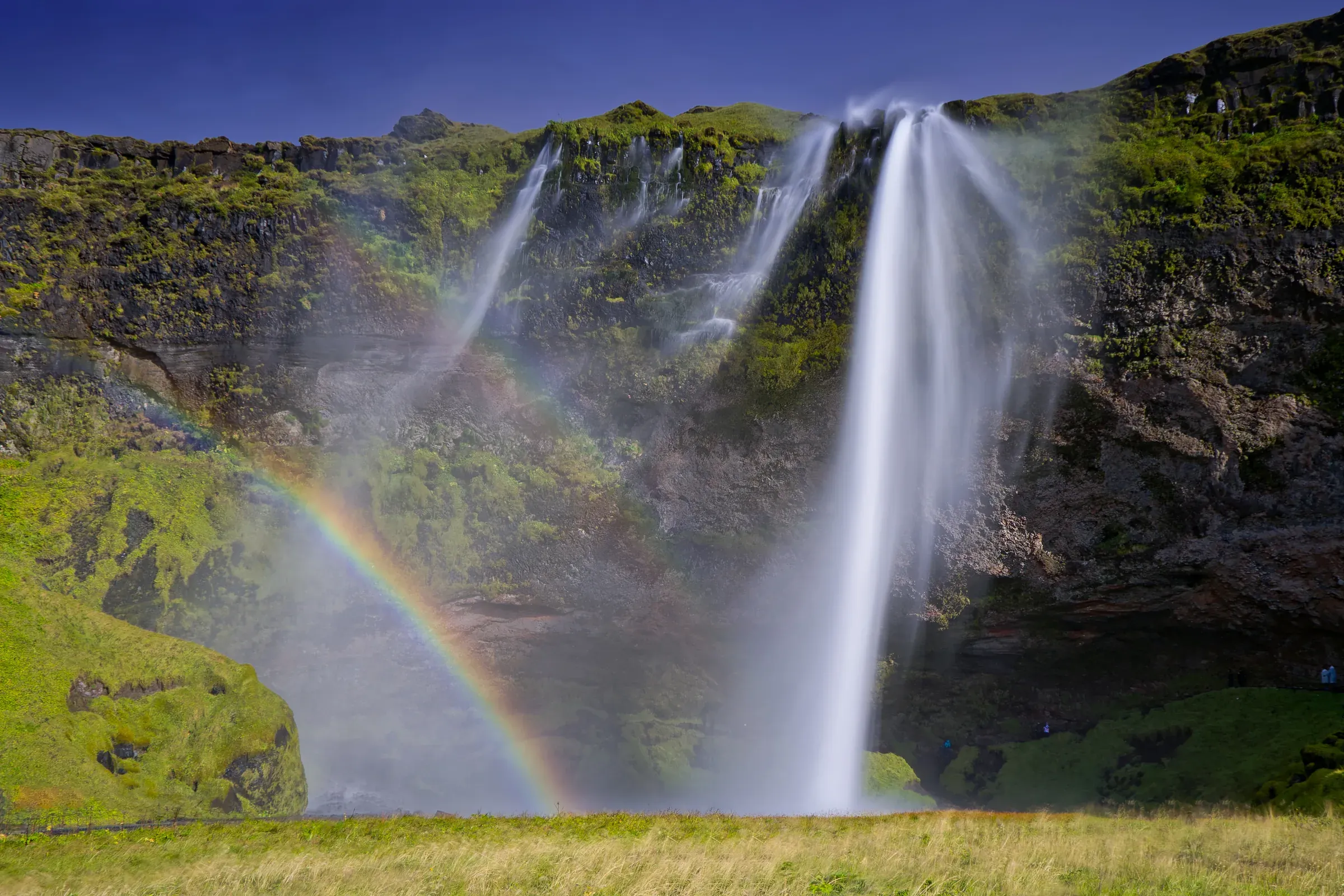
Seljalandsfoss

The first major stop heading east, Seljalandsfoss is a 60-metre waterfall famous for the path that loops completely behind the cascade. Walking behind the curtain of water is one of Iceland's most memorable experiences. Bring a waterproof jacket — you will get soaked. The path behind the falls closes in winter when ice makes it dangerous. Nearby, the hidden waterfall Gljúfrabúi is tucked inside a narrow canyon and worth the short detour.
Skógafoss waterfall

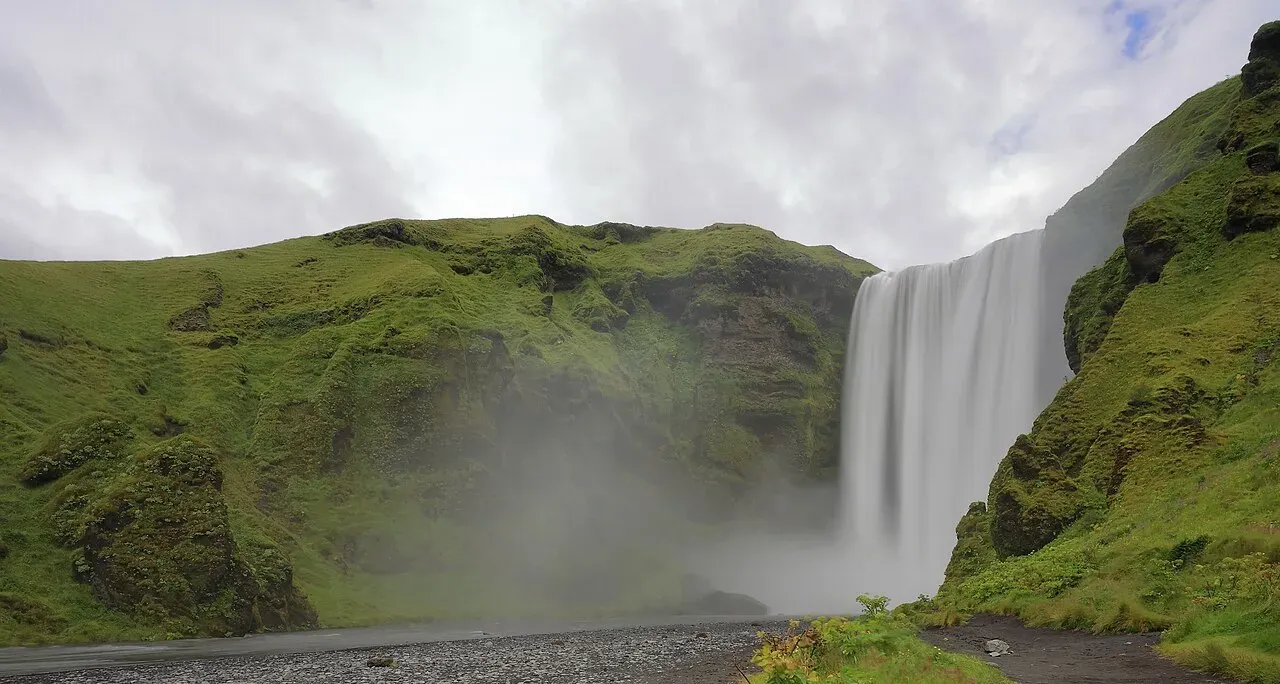
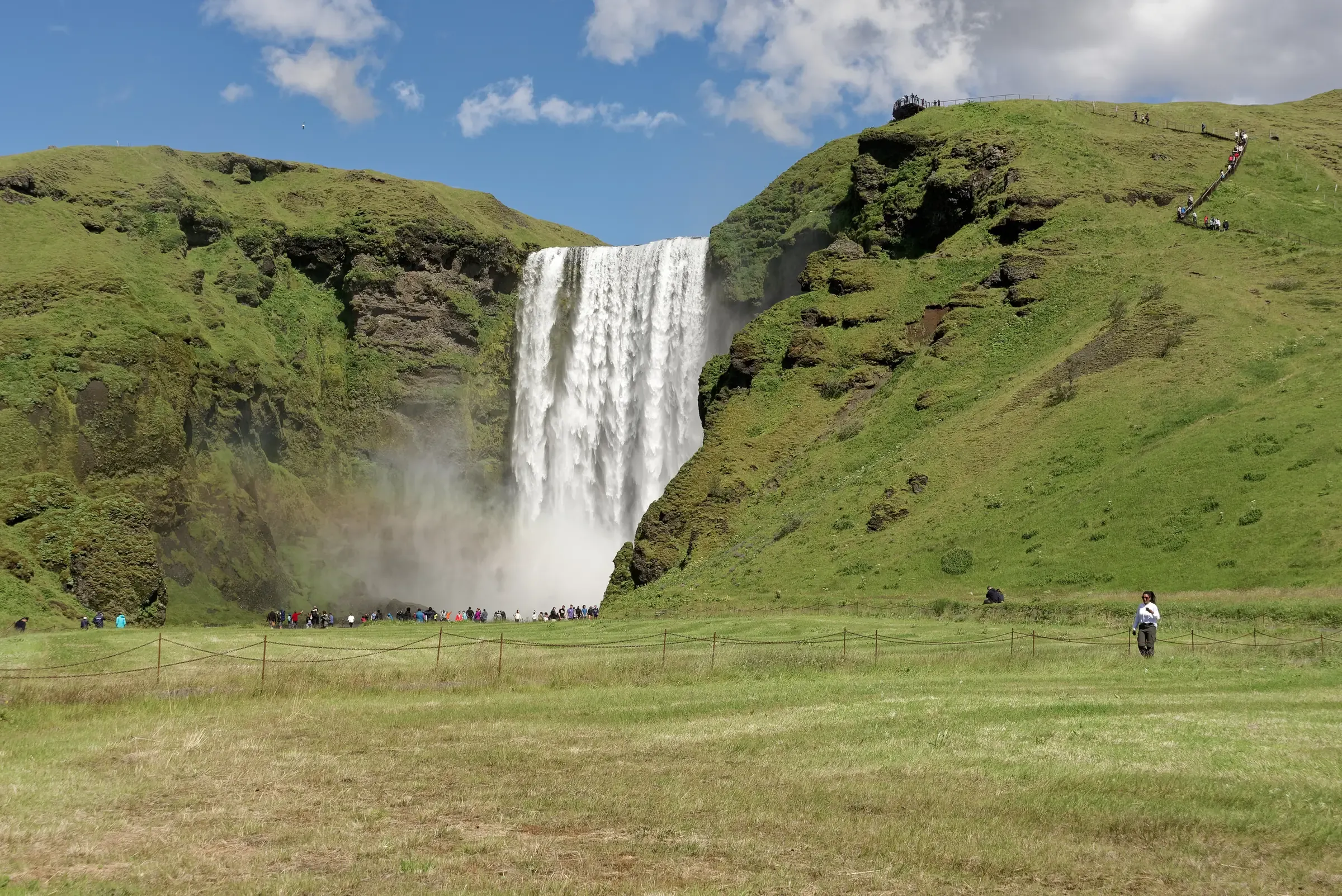
Skógafoss

Twenty-five minutes further east, Skógafoss is a 60-metre wall of water that crashes with raw power onto a flat plain. It is one of Iceland's most accessible waterfalls — you can walk right up to the base. On sunny days, the mist produces vivid double rainbows. A staircase beside the falls leads to a viewing platform at the top and the start of the Fimmvörðuháls hiking trail.
Reynisfjara beach

Reynisfjara Black Sand Beach

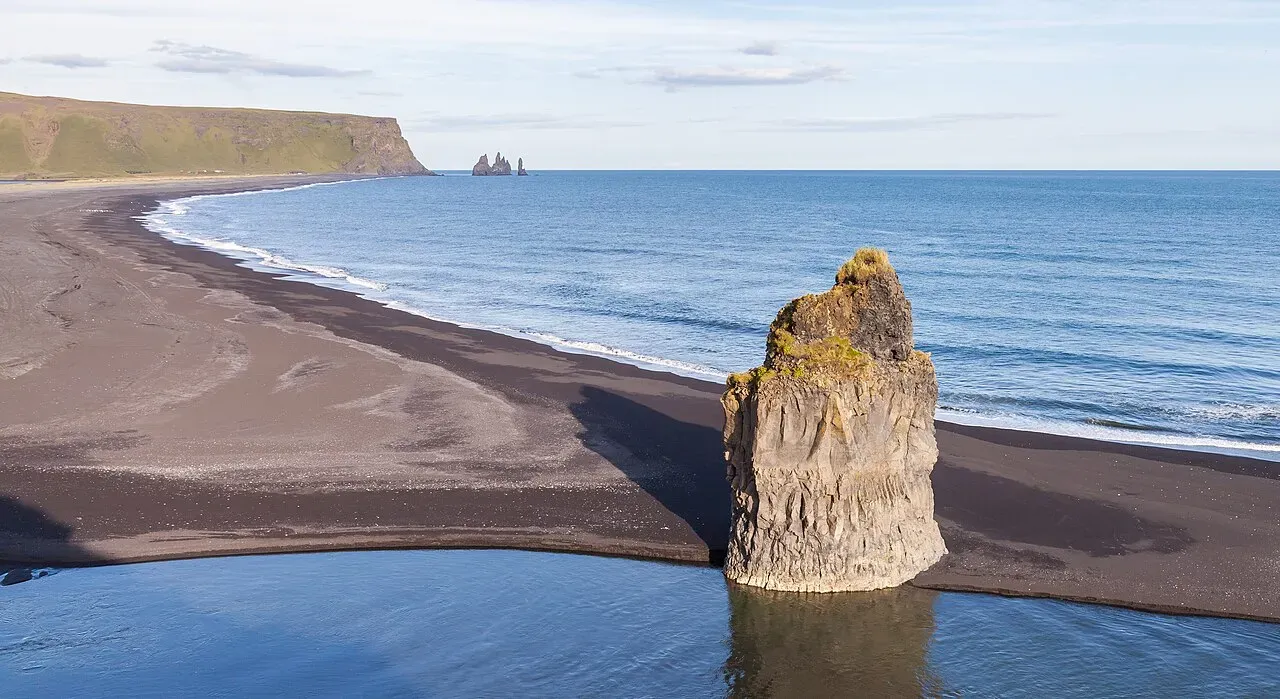
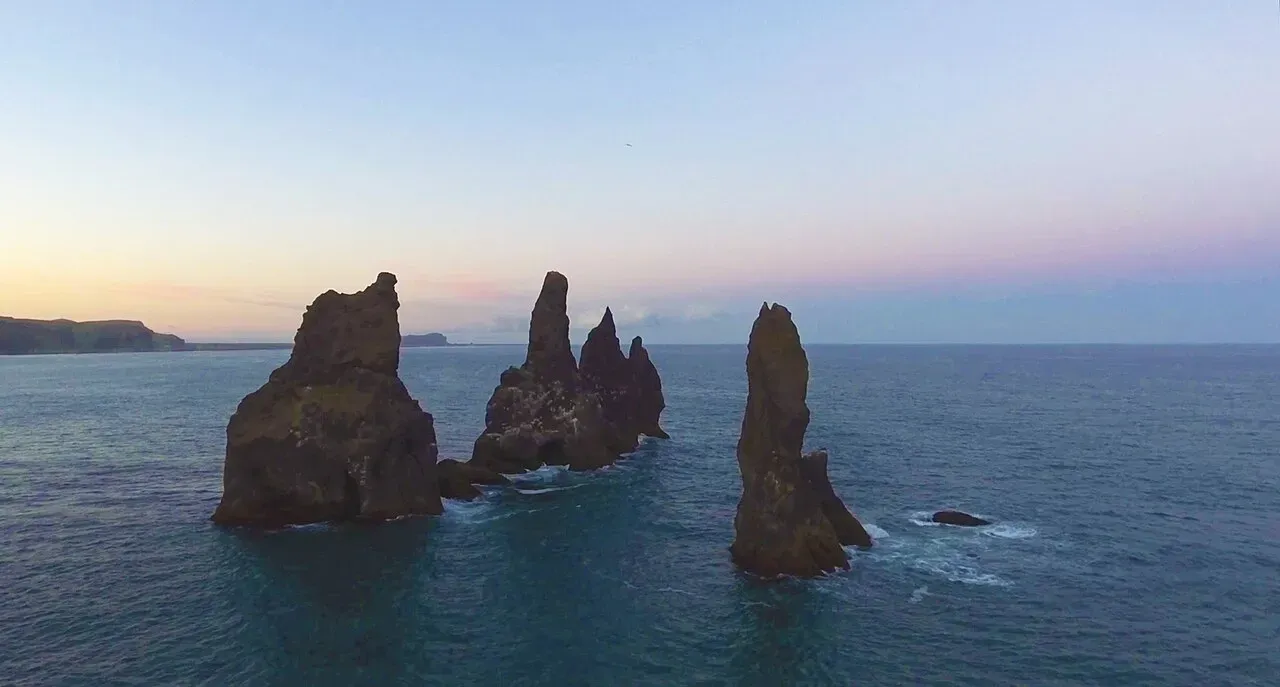
Reynisfjara is a striking black sand beach flanked by hexagonal basalt columns and the Reynisdrangar sea stacks offshore. It is achingly beautiful and genuinely dangerous. Sneaker waves — sudden, powerful surges of water — arrive without warning and have killed visitors. Never turn your back on the ocean. Stay well back from the waterline at all times. Warning signs at the beach are not decoration; they are there because people have died here.
Reynisdrangar sea stacks near Vík

Vík

Vík í Mýrdal is the southernmost village in Iceland, home to about 740 people. It sits beneath Mýrdalsjökull glacier, which caps the fearsome Katla volcano. Vík serves as the main service hub on the South Coast with fuel stations, restaurants, grocery shops, and accommodation. The village church perched on the hill above town offers one of the best viewpoints along the entire route.
Jökulsárlón glacier lagoon

Jökulsárlón Glacier Lagoon

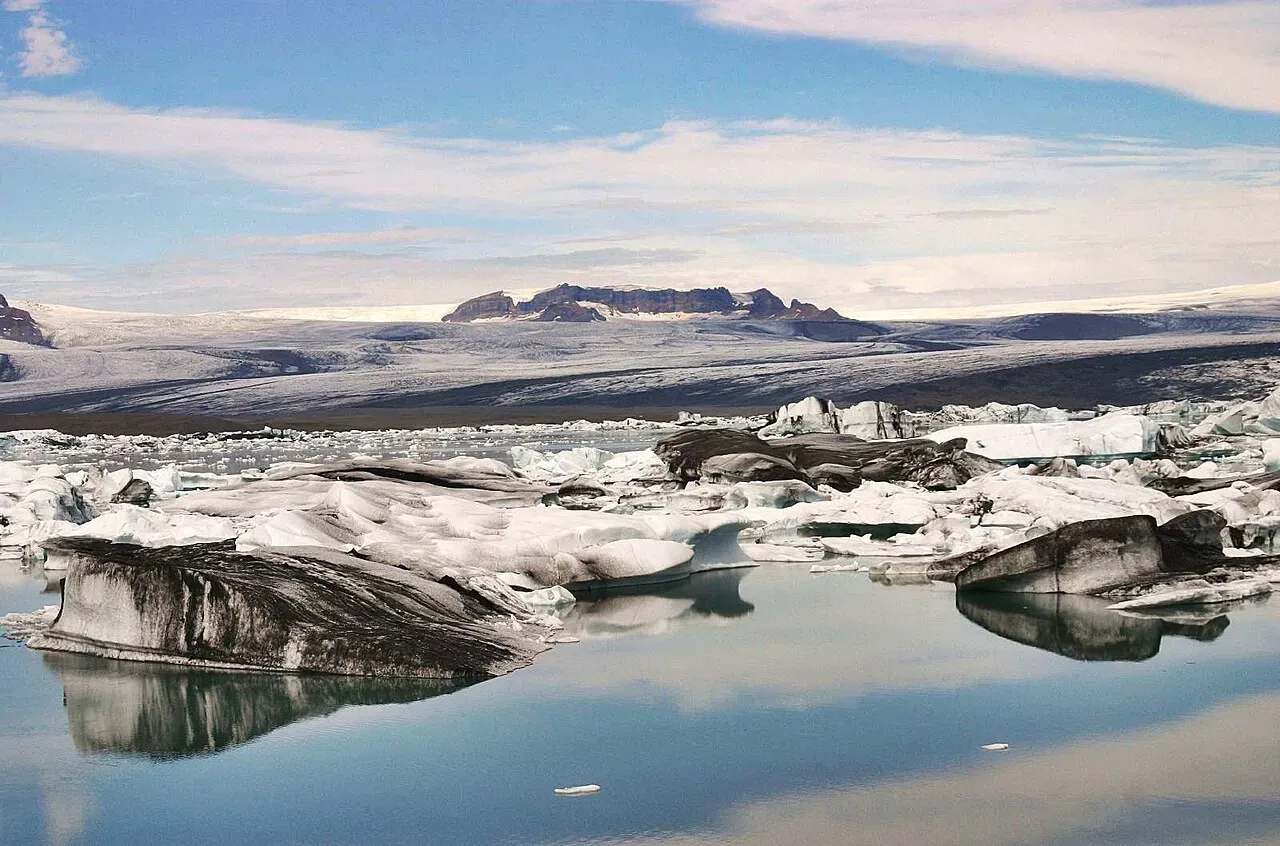
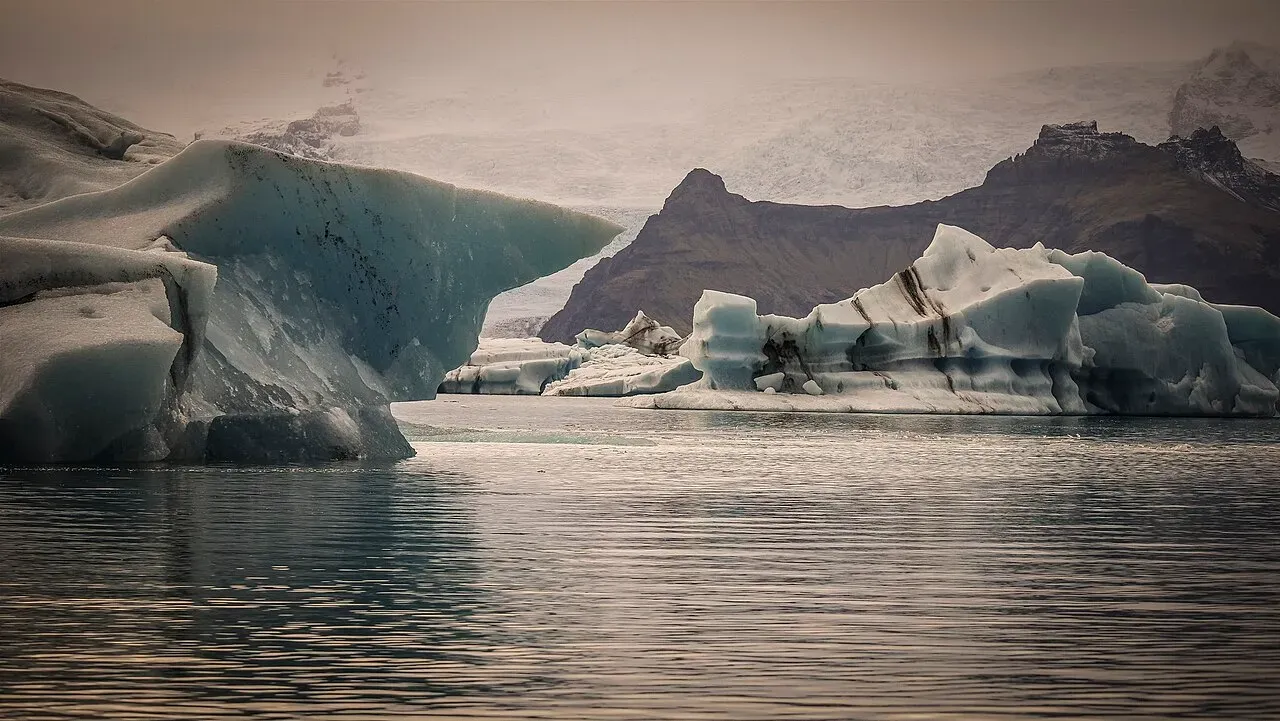
Jökulsárlón is where icebergs calve off the Breiðamerkurjökull glacier tongue and float slowly toward the sea. The lagoon is deep, cold, and filled with ice in shades of white, blue, and volcanic black. Boat tours run in summer, but simply standing on the shore watching the ice drift is mesmerising at any time of year. Seals often rest on the icebergs.
Icebergs near Jökulsárlón

Diamond Beach

Directly across the road from Jökulsárlón, chunks of glacial ice wash ashore on a jet-black sand beach, glistening like scattered diamonds. The contrast of crystal-clear ice against dark volcanic sand is extraordinary. Early morning and late afternoon light make the ice glow. This is a free, open site with no time limit — take your time here.

Day trip or overnight

The biggest planning decision on the South Coast is whether to do it as a day trip from Reykjavík or stay overnight.

Day trip (Reykjavík to Vík and back)

  • Realistic in summer with long daylight hours
  • Covers Seljalandsfoss, Skógafoss, Reynisfjara, and Vík
  • Total driving time: about 5 hours return without stops (186 km each way)
  • You miss Jökulsárlón, Diamond Beach, and the glacial landscapes east of Vík
  • Feels rushed — you are always watching the clock

Two days

Day 1

  1. 1

    Leave Reykjavík early.

  2. 2

    Stop at Seljalandsfoss and Gljúfrabúi.

  3. 3

    Continue to Skógafoss.

  4. 4

    Visit Reynisfjara — stay well back from the waves.

  5. 5

    Pass through Vík for fuel and food.

  6. 6

    Drive to Jökulsárlón and Diamond Beach.

  7. 7

    Overnight near Jökulsárlón or in Höfn.

Day 2

Day 2

  • Revisit Jökulsárlón in different light if staying nearby.
  • Return west with stops you skipped.
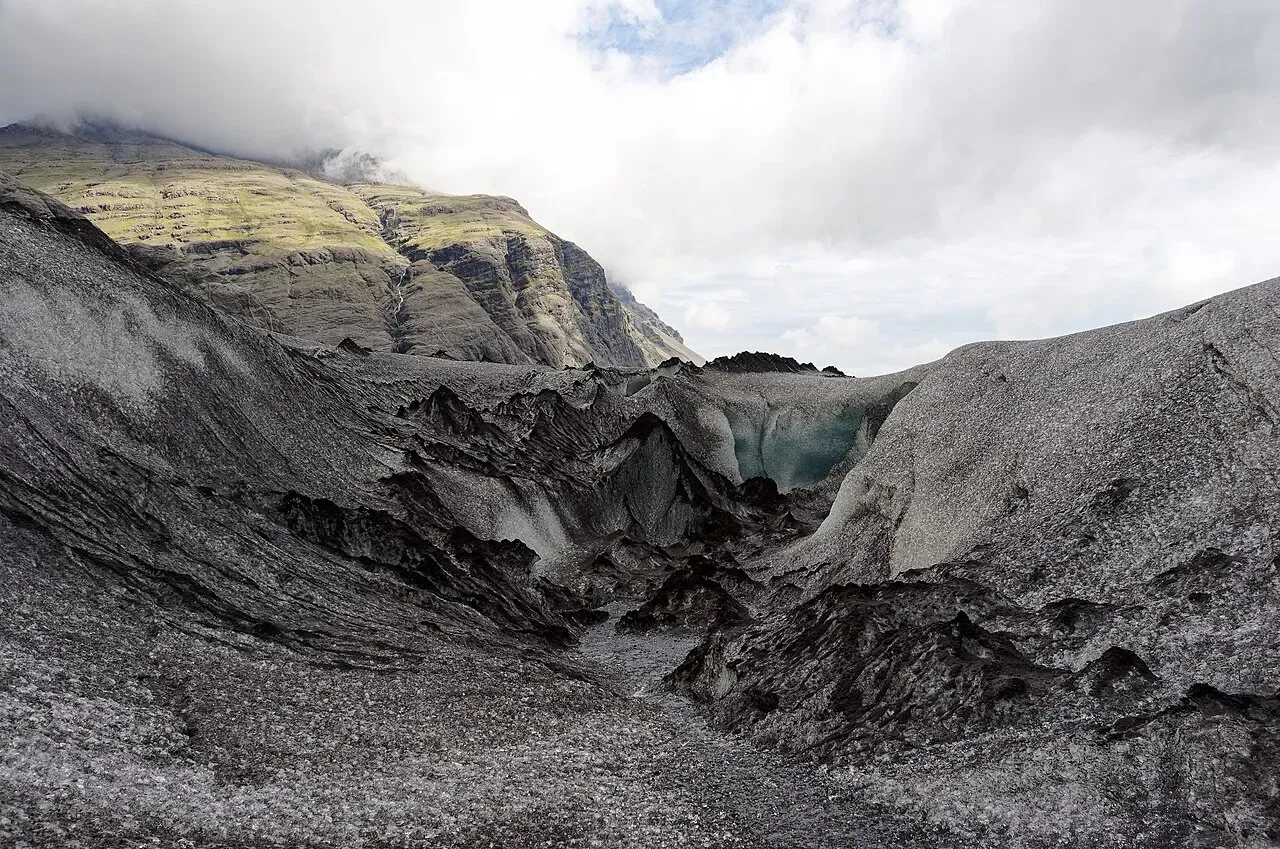
  • Add a glacier hike at Sólheimajökull or Skaftafell.
Jökulsárlón glacier lagoon

Jökulsárlón

Where to stay

Vík

Vík is the primary accommodation hub on the South Coast. It offers hotels, guesthouses, and hostels along with restaurants and services. Staying here puts you roughly halfway between Reykjavík and Jökulsárlón. Book well ahead in summer — Vík fills up fast.

Höfn

If you want to spend more time at Jökulsárlón and Diamond Beach, Höfn is the nearest town of any size to the east. It is a fishing town known for its langoustine and serves as a gateway to Vatnajökull National Park.

Farm Stays

Scattered along the South Coast are farm stays and country hotels that offer a more intimate Icelandic experience. They tend to book out months in advance for summer, so plan early.

Camping

Campsites operate at Vík, Skógafoss, and near Jökulsárlón in summer. Campervans must stay at campsites unless the landowner allows otherwise. A tent may be pitched for one night on uncultivated land unless the landowner has posted a notice against it, but use campsites where they exist. Campsite fees are typically 1,500–2,500 ISK per person per night.

Safety

Reynisfjara wave danger

This cannot be overstated: people die at Reynisfjara. Sneaker waves surge far up the beach without warning, knocking people off their feet and dragging them into freezing water with powerful undertow. Keep a constant eye on the ocean, never walk near the waterline, and supervise children closely. If conditions look rough, admire the beach from the car park.

Winter driving conditions

Route 1 along the South Coast is a maintained highway, but winter storms can close it at short notice. Black ice, high winds, and sudden whiteouts are real hazards between October and April. A 4x4 vehicle is strongly recommended in winter. Always check umferdin.is and vedur.is before setting out each day.

Weather changes

The South Coast is exposed to North Atlantic weather systems that can change conditions within minutes. Bright sunshine can give way to horizontal rain and gale-force winds with little warning. Dress in layers, carry waterproof outerwear at all times, and never assume the weather will hold.

Questions people ask

How long does the South Coast drive take?

Reykjavík to Jökulsárlón is approximately 5 hours of non-stop driving. Plan a full day minimum with stops at waterfalls, beaches, and viewpoints along the way.

Can you do the South Coast as a day trip?

Yes, you can do a day trip to Vík and back from Reykjavík, but reaching Jökulsárlón requires an overnight stay. Two days is ideal to experience the full South Coast without rushing.

What are the must-see stops on the South Coast?

The essential stops are Seljalandsfoss, Skógafoss, Reynisfjara Black Sand Beach, Vík, Jökulsárlón Glacier Lagoon, and Diamond Beach.

Is the South Coast road safe in winter?

Route 1 is maintained but can close in storms. A 4x4 vehicle is recommended in winter. Always check umferdin.is for current conditions before setting out.

Where should I stay on the South Coast?

Vík is the main base for the western South Coast. Höfn is the best base near Jökulsárlón. Farm stays along the route offer unique Icelandic hospitality.

How much does the South Coast cost?

Most attractions are free to visit. Some sites charge for parking. Accommodation ranges from 15,000–40,000 ISK per night depending on the type and season.

Is Reynisfjara beach dangerous?

Yes. Sneaker waves at Reynisfjara are unpredictable and lethal. Multiple people have died here. Never turn your back on the ocean and stay well back from the waterline at all times.