Iceland in October
Aurora season deepens, crowds vanish, and prices drop dramatically
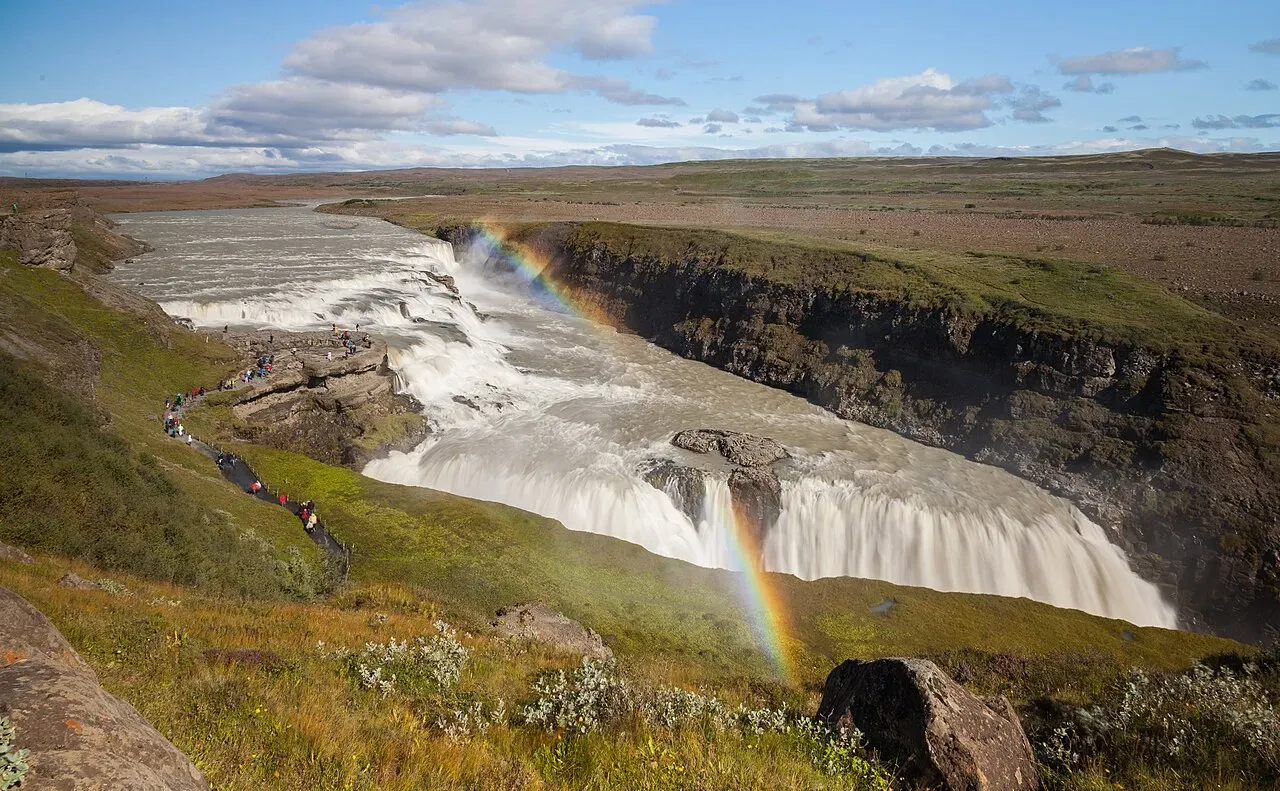
Gullfoss
Weather and daylight
- Daylight
- 8–12 hours (shrinking fast)
- Temperature
- 3 to 8°C (37–46°F), Reykjavík average daily low to high
- Wind and storms
- Volatile — storms, wind, rain, and sleet are common
- Precipitation
- Frequent rain, sleet, and occasional early snow; storms from the Atlantic
All months side by side: best time to visit Iceland
Good and bad sides of October
Why October works
- Northern lights — long dark nights and strong aurora activity
- Fewer crowds — tourist numbers drop dramatically after September
- Lower prices — flights, accommodation, and rental cars significantly cheaper than summer
- Dramatic landscapes — first mountain snow contrasting with autumn colors
- Photography conditions — storm light, low sun angles, and dramatic skies
- Iceland Airwaves music festival — one of the world's best for discovering new artists
What to know before you go
- Shorter days — only 8–12 hours of daylight limits sightseeing time
- Volatile weather — storms, wind, rain, and sleet can disrupt plans
- Highland closures — all F-roads and interior routes closed for the season
- Some seasonal closures — rural guesthouses, restaurants, and some tours wind down
- No ice caves yet — natural Vatnajökull caves do not typically open until November
- Cold temperatures — wind chill requires serious winter clothing
What to do in October
Northern Lights Hunting
October is one of Iceland's prime aurora months. With 12–16 hours of darkness and some of the year's strongest solar activity (around the autumn equinox), conditions are excellent. Head out of Reykjavík toward the south coast, Snæfellsnes Peninsula, or north Iceland. Check vedur.is for the aurora forecast and cloud cover map every evening.
First Snow Photography
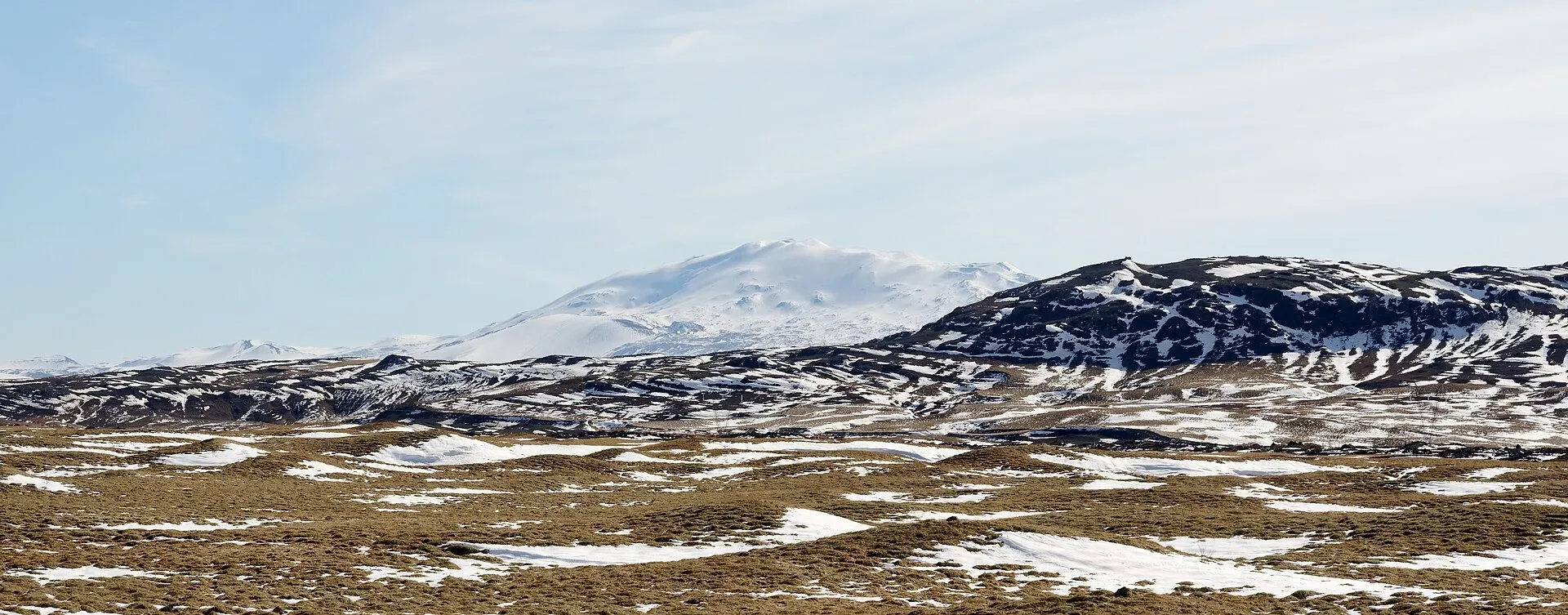
October brings the first significant snow to Iceland's mountains and highlands, creating beautiful white peaks contrasting with the remaining autumn colors in the lowlands. Kirkjufell mountain dusted with snow, the Jökulsárlón glacier lagoon with icebergs against a moody October sky, and the south coast under dramatic storm light are exceptional photography subjects.
Hot Springs in Cool Weather
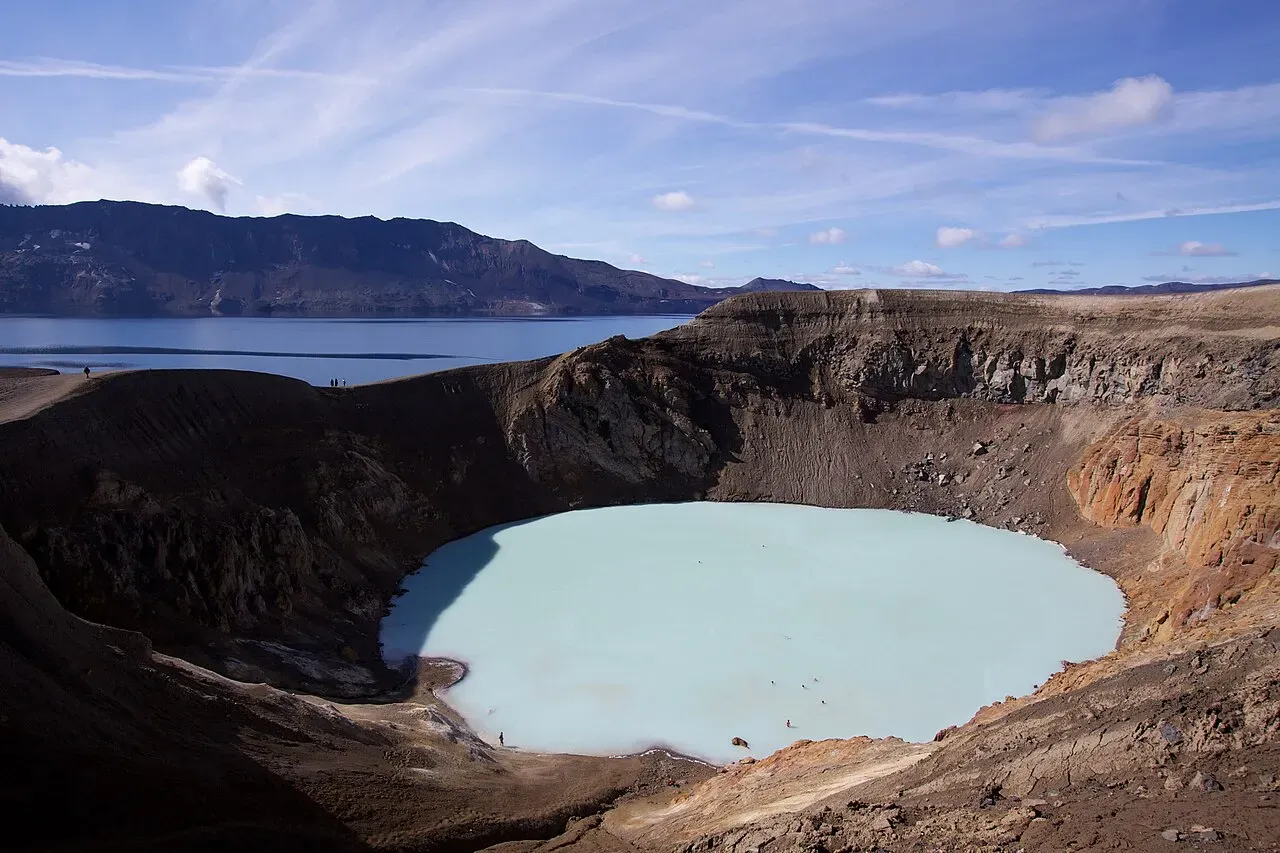
The contrast between cold October air and hot geothermal water is at its most striking. The Blue Lagoon and Sky Lagoon are much less busy than in summer, and the dramatic October skies make outdoor bathing especially atmospheric. Municipal pools are an affordable alternative — adult entry in Reykjavík is 1,500 ISK (since May 2026) and they are heated to 38–40°C.
Iceland Airwaves Music Festival
Held in late October or early November in Reykjavík, Iceland Airwaves is one of the world's most respected music festivals for discovering new artists. Performances take place in churches, record shops, bars, art galleries, and traditional concert venues across downtown Reykjavík. Both Icelandic and international artists perform in intimate settings. Tickets typically sell out months in advance.
South Coast & Golden Circle
The south coast and Golden Circle routes are accessible throughout October. With dramatically smaller crowds than summer, you can experience Seljalandsfoss, Skógafoss, Reynisfjara, Þingvellir, and Gullfoss in peace. October light — low-angle and often filtered through storm clouds — creates some of the most dramatic landscape photography possible.
Events and festivals
Iceland Airwaves Music Festival
One of the world's most acclaimed music discovery festivals, held annually in downtown Reykjavík. Intimate venues across the city — churches, record shops, bars, and galleries — host both Icelandic and international artists. The festival dates vary each year (late October or early November). Book tickets and accommodation many months in advance.
Darkness Season Begins
October marks the transition into Iceland's dark season. As days shorten rapidly, aurora opportunities increase dramatically. Many visitors find the dramatic shift from long summer days to deep autumn darkness one of the most remarkable aspects of the Icelandic calendar.
Practical tips
- 1October is one of the best months for aurora viewing — check vedur.is every night
- 2Book Iceland Airwaves tickets and Reykjavík accommodation many months in advance
- 3Pack serious warm layers — October wind chill can be severe
- 4A 4WD is recommended for October driving — roads can be icy, especially in the north
- 5Highland F-roads are closed and will not reopen until the following summer
- 6Storm days happen — build flexibility into your itinerary for at least one disrupted day
- 7October prices are significantly lower than summer — good value despite the conditions
- 8The Jökulsárlón glacier lagoon is beautiful in October with moody skies and icebergs