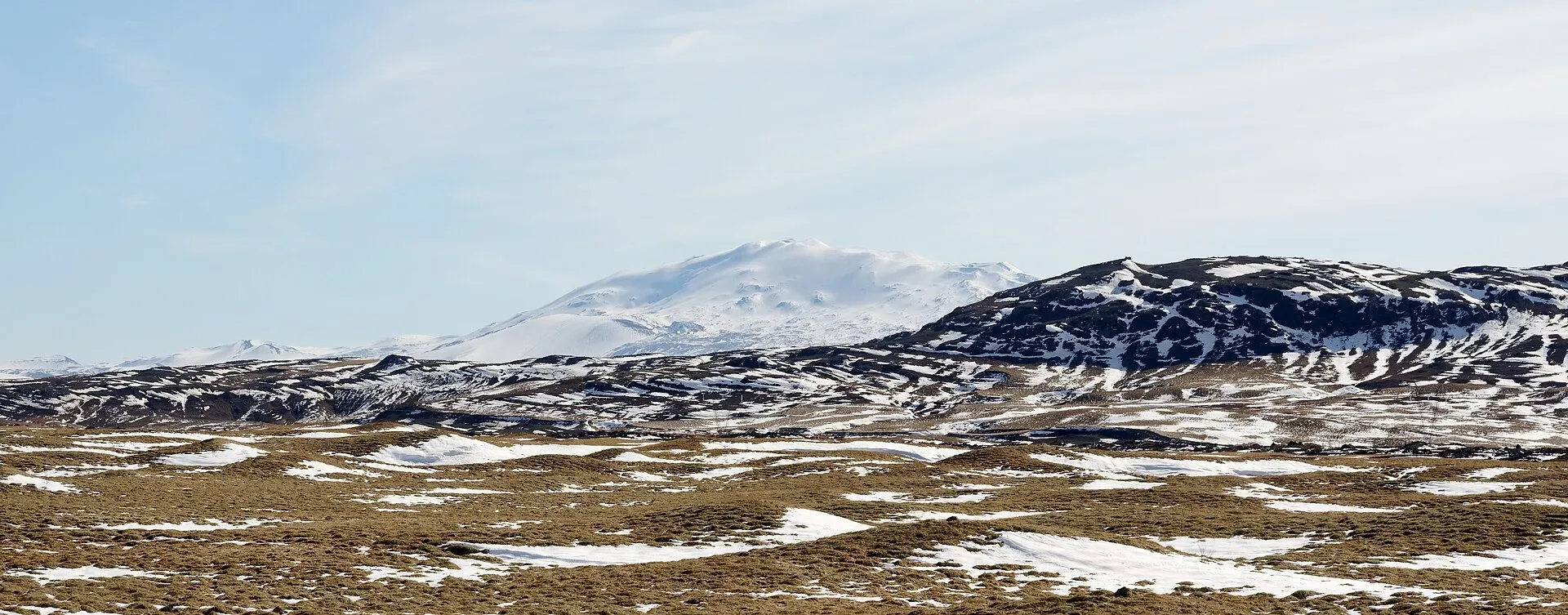
Iceland in September
Iceland's locals' favourite — aurora, autumn colours, sheep roundup, and serenity
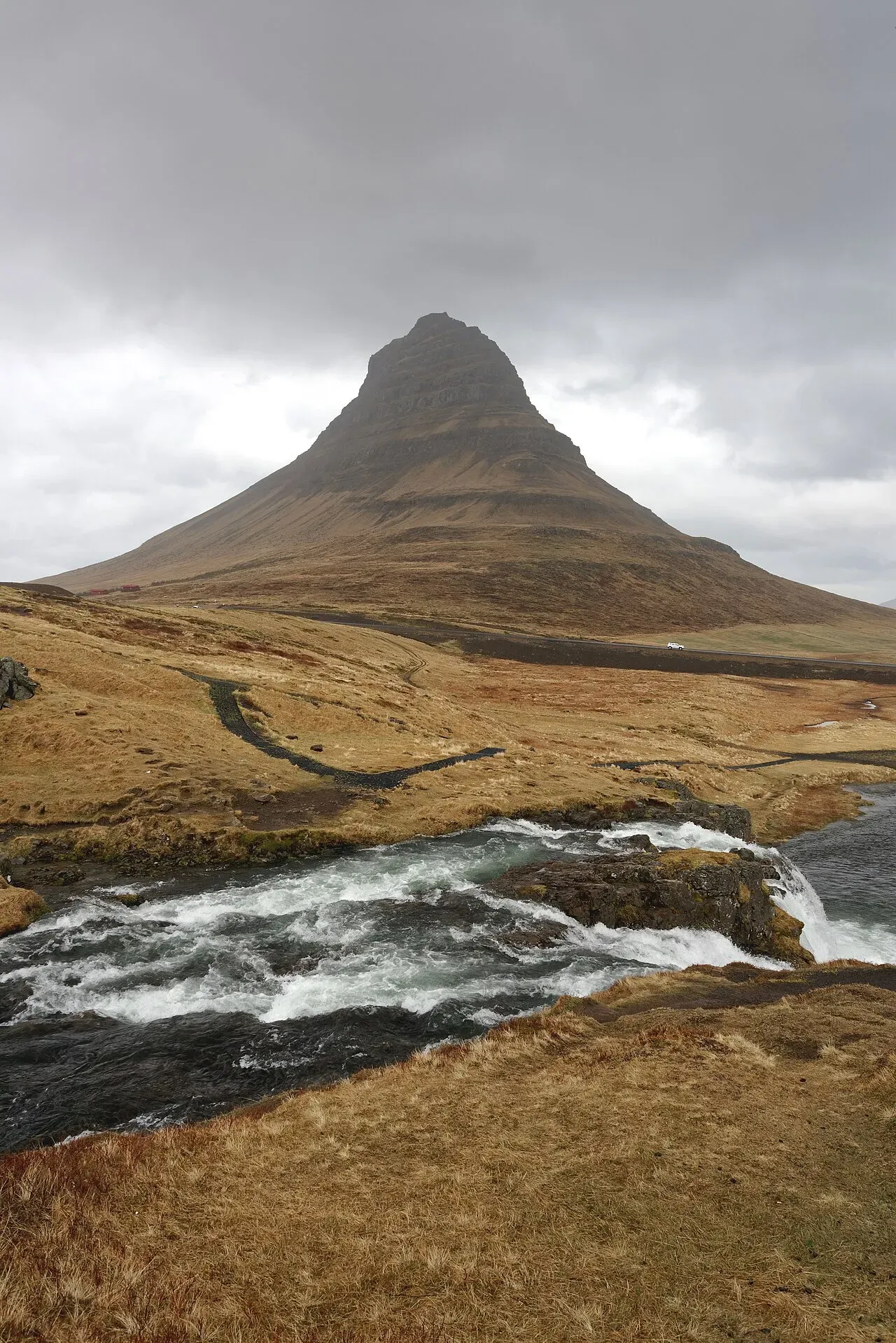
Kirkjufell
Weather and daylight
- Daylight
- 12–16 hours (dropping toward autumn)
- Temperature
- 6 to 11°C (43–52°F), Reykjavík average daily low to high
- Wind and storms
- Stronger winds and more unpredictable weather than summer
- Precipitation
- More rain and occasional frost; first highland snowfalls possible
All months side by side: best time to visit Iceland
Good and bad sides of September
Why September works
- Northern lights return — aurora visible from mid-September onward
- Stunning autumn fall colors — blueberry reds, birch golds, and mossy bronzes
- Dramatic drop in crowds — popular sites feel spacious and calm
- Shoulder-season prices — 30–40% cheaper than July
- Photography paradise — golden light, aurora, colors, and dramatic skies
- Réttir sheep roundup — one of Iceland's most authentic cultural experiences
What to know before you go
- Highland F-roads closing — access to the interior decreases through the month
- More unpredictable weather — stronger winds, more rain, and occasional frost
- Cooler temperatures — 5–10°C requires warmer clothing
- Some seasonal closures — rural guesthouses and restaurants may shut down
- No puffins — the last birds depart in early September
- Shorter days than summer — less time for distant day trips
What to do in September
Northern Lights Hunting
September brings the return of the aurora after the bright summer months. From mid-September onward, the nights are dark enough for reliable viewing. The combination of shorter nights and relatively good weather makes September a strong aurora month. Head to the Snæfellsnes Peninsula, south coast, or north Iceland away from Reykjavík's light pollution.
Autumn Colours
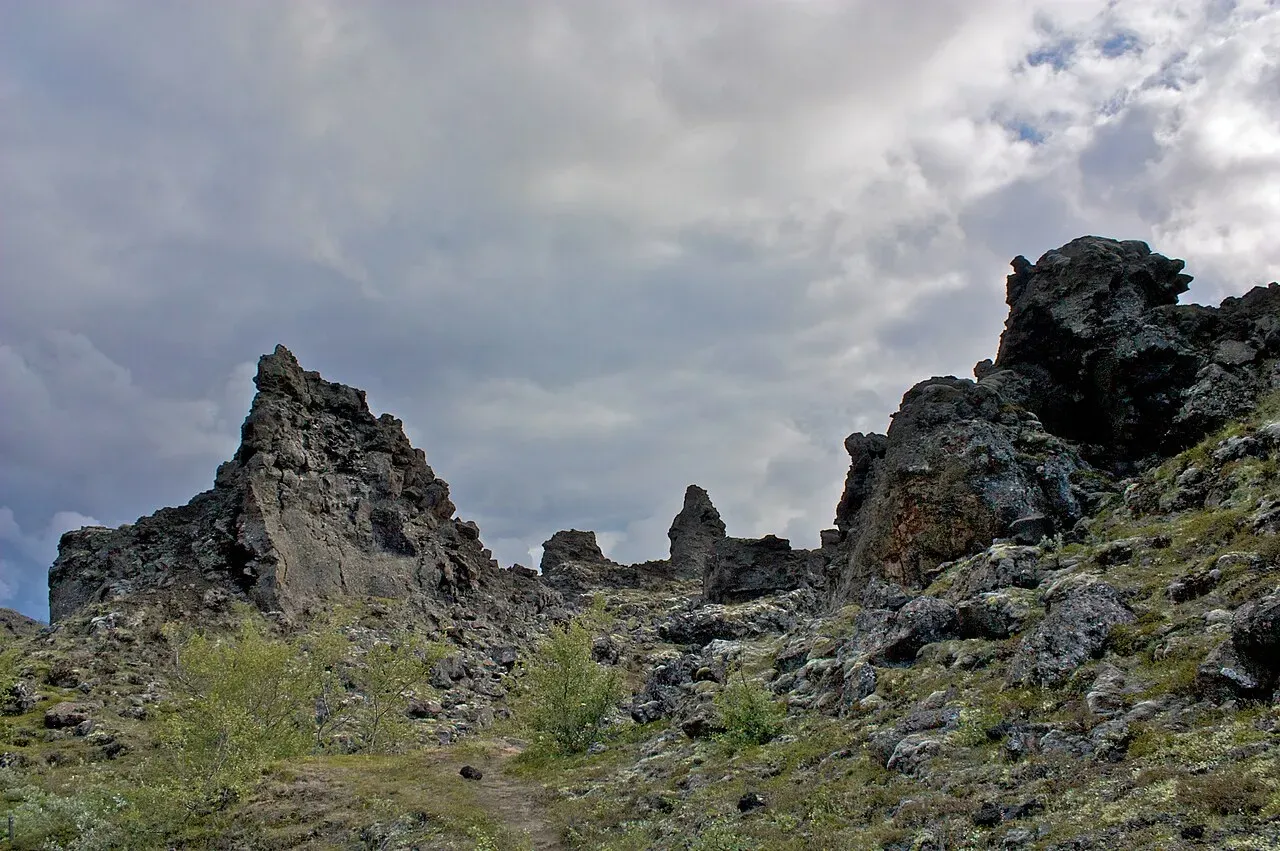
Iceland's autumn colors are spectacular and underrated. Blueberry and crowberry plants turn deep red, dwarf birch goes golden yellow, mosses bronze, and willow scrub fades through amber. The best areas for autumn color are around Þórsmörk, the Mývatn region, and the Westfjords. September's dramatic skies and low-angle light make these landscapes extraordinary for photography.
Réttir — The Sheep Roundup
September is the month of réttir, Iceland's traditional sheep roundup. Icelandic sheep graze freely in the highlands all summer and must be gathered before winter. Farmers on horseback ride into the mountains to find the flocks, then sort them in communal pens called réttir. Visitors can watch and often participate — it is one of Iceland's most authentic cultural experiences.
Photography Paradise
September combines Iceland's most dramatic conditions for photography. The golden hour extends for hours in the low-angle autumn light. Autumn colors frame every landscape. Storm light creates moody drama. And from mid-September, you can shoot aurora over the colorful landscape — a combination impossible in any other month.
Ring Road Without the Crowds
September is an excellent month for a Ring Road road trip. The main roads are still in good condition, accommodation is available without months of advance booking, and you will experience Iceland's most dramatic landscapes without summer's crowds. The east fjords and the Mývatn region are particularly beautiful in autumn light.
Geothermal Bathing in Autumn Air
The cool September air makes hot springs even more appealing. The Blue Lagoon and Sky Lagoon are significantly less crowded than in summer. The Reykjadalur hot river is accessible through most of September. Earth Lagoon Mývatn offers an affordable and less-touristy alternative in north Iceland.
Events and festivals
Réttir (Sheep Roundup)
The annual sheep roundup is one of Iceland's most authentic and photogenic cultural events. Communities across rural Iceland gather on horseback to drive sheep down from the highlands, then sort them by farmer in circular communal pens. Some farms welcome visitors to watch and even ride along. Contact local guesthouses in the highlands and north for participation opportunities.
First Aurora Season
From around September 15, nights are dark enough for reliable northern lights viewing. Iceland's aurora season runs until mid-April. September is particularly good because the weather is relatively settled compared to midwinter and the colorful autumn landscape adds to aurora photographs.
Practical tips
- 1September is considered by many locals the best month to visit Iceland
- 2Pack layers including a warm fleece — mornings can be near freezing by late September
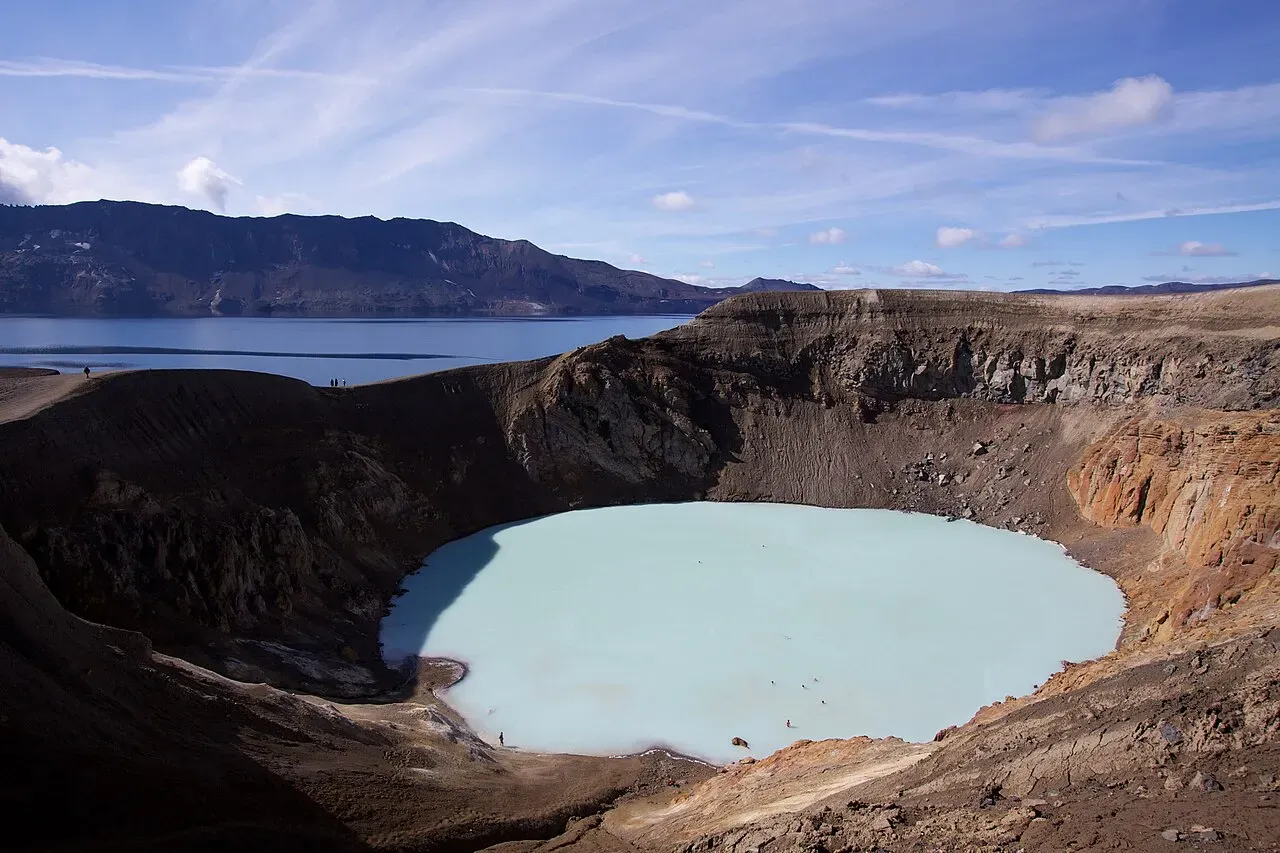
- 3F-roads to Landmannalaugar and Askja close progressively through September — check umferdin.is
- 4Book accommodation earlier than you might expect — September demand is growing
- 5Réttir participation is best arranged through local guesthouses and tour operators
- 6Bring a headlamp — darker evenings return and aurora chasing means late nights
- 7Photography conditions in September are exceptional — golden light lasts for hours
- 8Waterproof jacket is essential — September rain is more frequent than summer