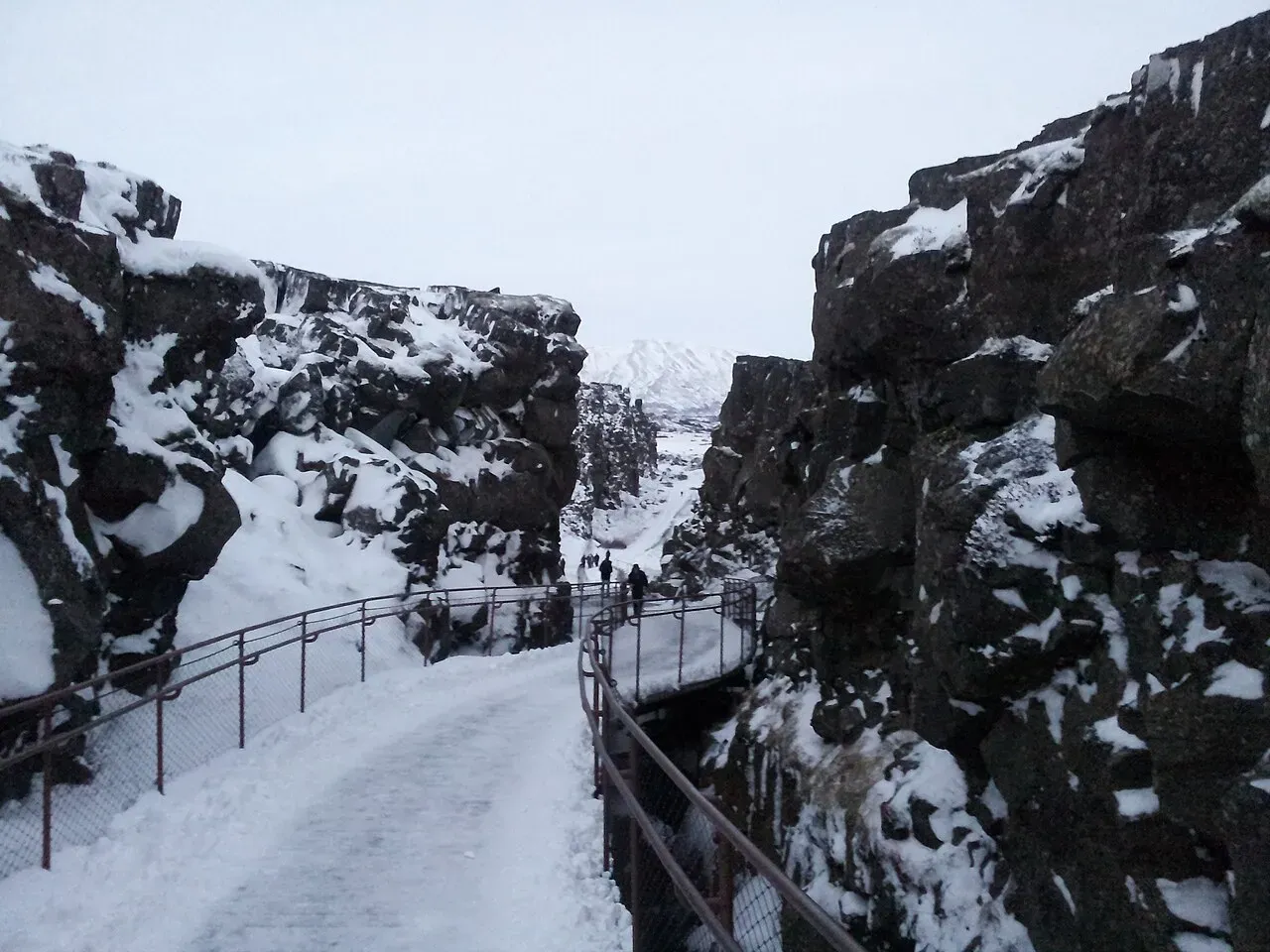
Iceland in April
Spring arrives with peak waterfalls, first puffins, and shoulder-season prices
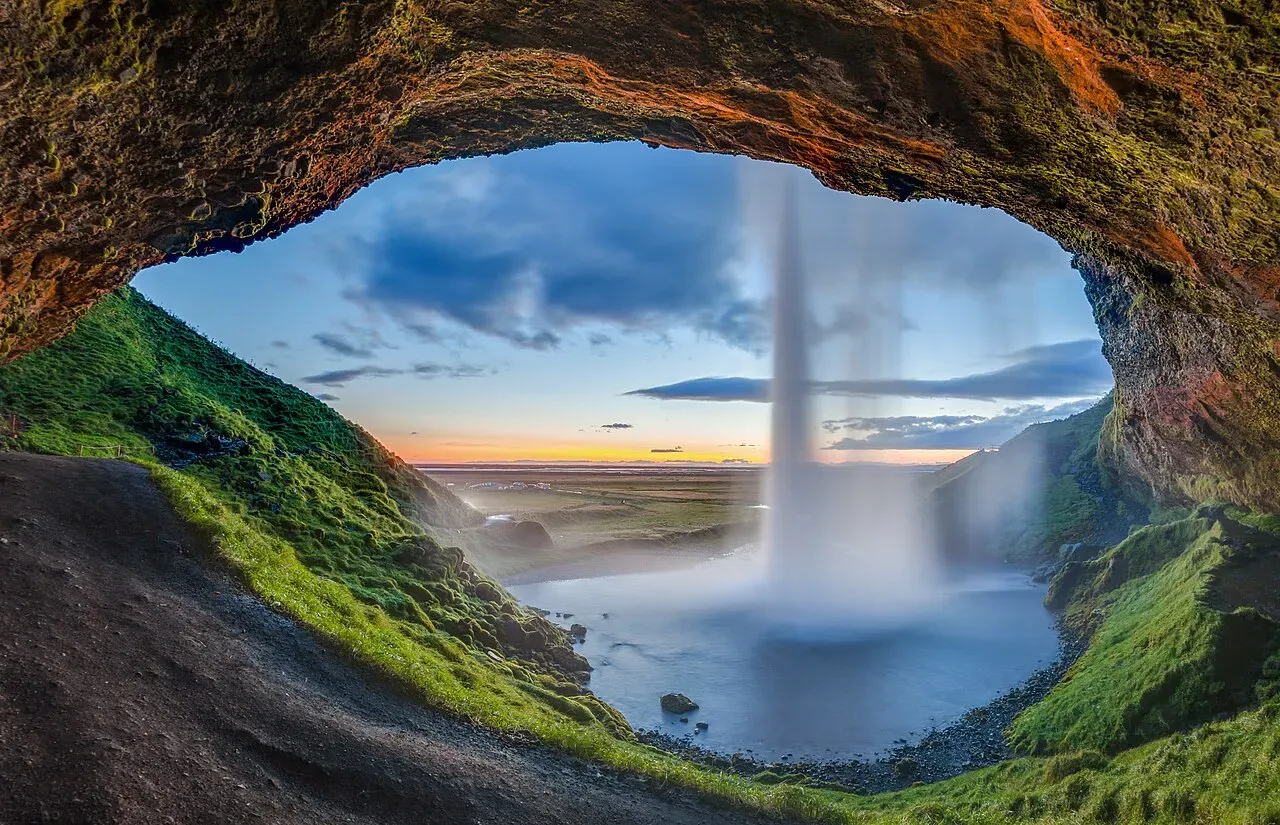
Seljalandsfoss
Weather and daylight
- Daylight
- 14–17 hours (gaining ~6 min/day — fastest increase of the year)
- Temperature
- 1 to 7°C (34–45°F), Reykjavík average daily low to high
- Wind and storms
- Wind chill makes it feel significantly colder
- Precipitation
- ~12–14 rainy days; intermittent rain, sleet, and occasional snow
All months side by side: best time to visit Iceland
Good and bad sides of April
Why April works
- Long daylight hours — 14–17 hours of light for sightseeing
- Shoulder-season pricing — 30–40% cheaper than summer
- Fewer crowds — popular sites are manageable
- Snowmelt swells the south coast waterfalls
- First puffin arrivals from mid-April
- Easter celebrations — unique Icelandic holiday traditions
What to know before you go
- Unpredictable weather — sunshine, snow, rain, and wind can all occur in one day
- Highland F-roads closed — no access to the interior
- Northern lights fading — only a slim chance in early April
- Ice caves closed — season ended by late March
- Some roads still icy — especially in the north and on mountain passes
- Limited rural services — some guesthouses still closed for winter
What to do in April
Chase Snowmelt Waterfalls
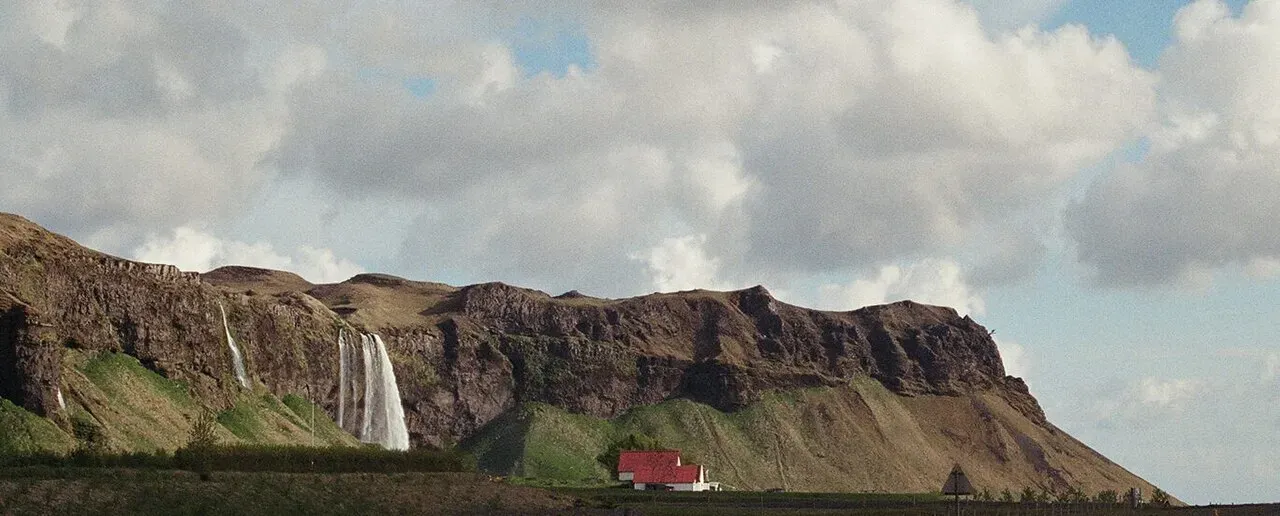
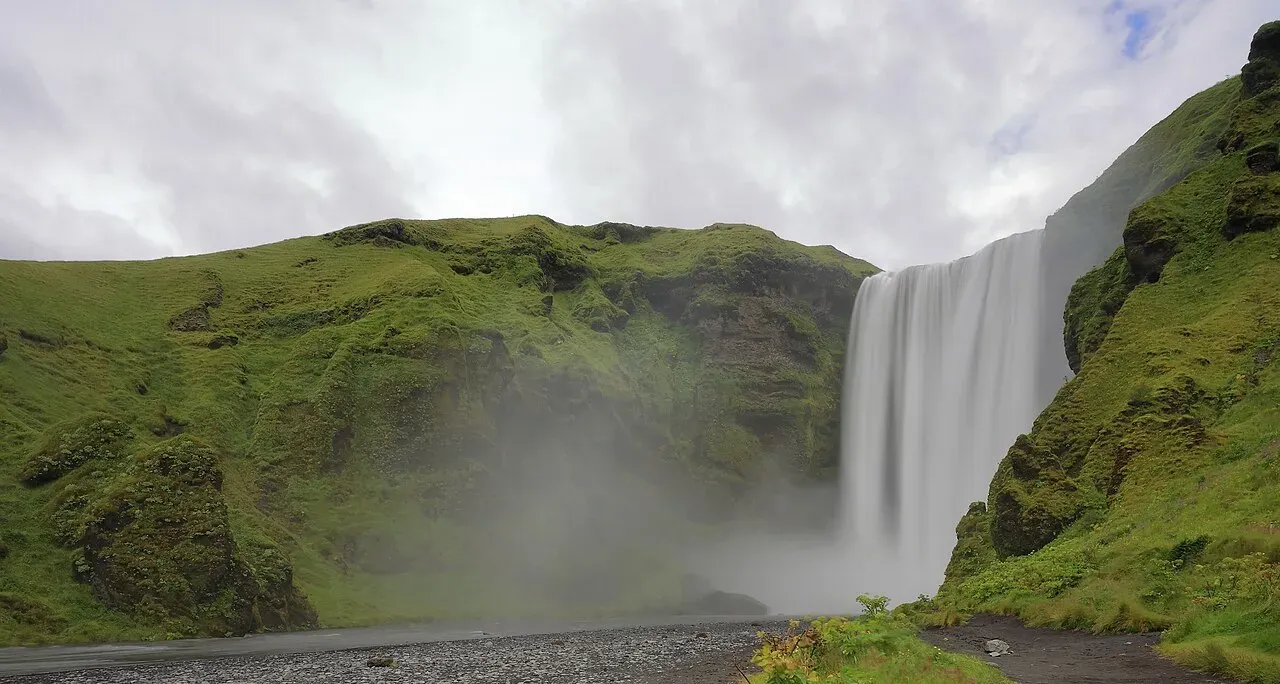
In April, melting snow swells rain- and snow-fed waterfalls such as Seljalandsfoss and Skógafoss, and lingering ice creates dramatic contrasts. Glacier-fed rivers, like the ones feeding Gullfoss and Dettifoss, carry the most water later, in mid to late summer, when the glaciers melt.
Spot the First Puffins
Atlantic puffins begin arriving at Icelandic nesting colonies in mid to late April. The earliest arrivals appear at the Westman Islands, Látrabjarg cliffs, and Dyrhólaey near Vík. Sightings in April are not guaranteed — for reliable large colonies, plan for May or June. A Westman Islands boat tour in the last week of April gives the best chance.
Geothermal Bathing
The cool air makes hot pools feel even more luxurious in April, and you avoid summer crowds at popular spots. The Blue Lagoon and Sky Lagoon are open year-round and less busy than summer. The Reykjadalur hot river near Hveragerði becomes accessible in April, though the trail can be muddy from snowmelt. Municipal pools are cheap: 1,500 ISK for adults in Reykjavík (since May 2026).
Easter in Iceland
Easter is a significant Icelandic holiday spanning Thursday through Monday. Icelanders celebrate with giant chocolate Easter eggs filled with candy and a proverb inside — a uniquely Icelandic tradition. Reykjavík's bakeries produce special Easter treats. Shops may have reduced hours, so stock up on groceries and fuel beforehand.
Golden Circle & South Coast
The Golden Circle is fully accessible in April and far less crowded than in summer. Route 1 along the south coast is generally clear, though wet or icy patches are possible in early April. A standard 2WD rental car is usually sufficient for these routes. Waterfalls along the south coast are swollen with snowmelt.
Reykjanes Peninsula
The volcanic landscapes, hot springs, coastal cliffs, and Bridge Between Continents are all accessible in April. If volcanic activity is ongoing at Sundhnúkagígar, you may witness an active eruption — check the Icelandic Met Office for current status. The Reykjanes Peninsula is excellent for photography with dramatic lava fields and coastal views.
Events and festivals
Easter (Páskadagur)
A significant national holiday. The unique Icelandic tradition involves giant chocolate Easter eggs filled with candy and a paper proverb. Long weekend Thursday–Monday with many shops and services closed. Families head to countryside cottages, creating a festive but quiet Reykjavík.
First Puffin Arrivals
The earliest puffins return to their Icelandic nesting colonies in mid to late April after months at sea. Numbers build through May. The Westman Islands and Látrabjarg are among the earliest sites. A boat tour from Heimaey gives the best late-April sighting chance.
Practical tips
- 1Do not pack for one type of weather — April delivers all of them in a single day
- 2Check vedur.is daily and umferdin.is every morning before driving
- 3A 2WD car is sufficient for Route 1; 4WD recommended for Westfjords or northern back roads
- 4Highland F-roads stay closed until June or July — closed roads must not be driven
- 5Book Easter weekend accommodation several months ahead
- 6The Blue Lagoon should be booked at least two weeks ahead
- 7Carry sunglasses — with 14–17 hours of daylight, you will need them
- 8Waterproof outer jacket, warm fleece, and thermal base layers are essential