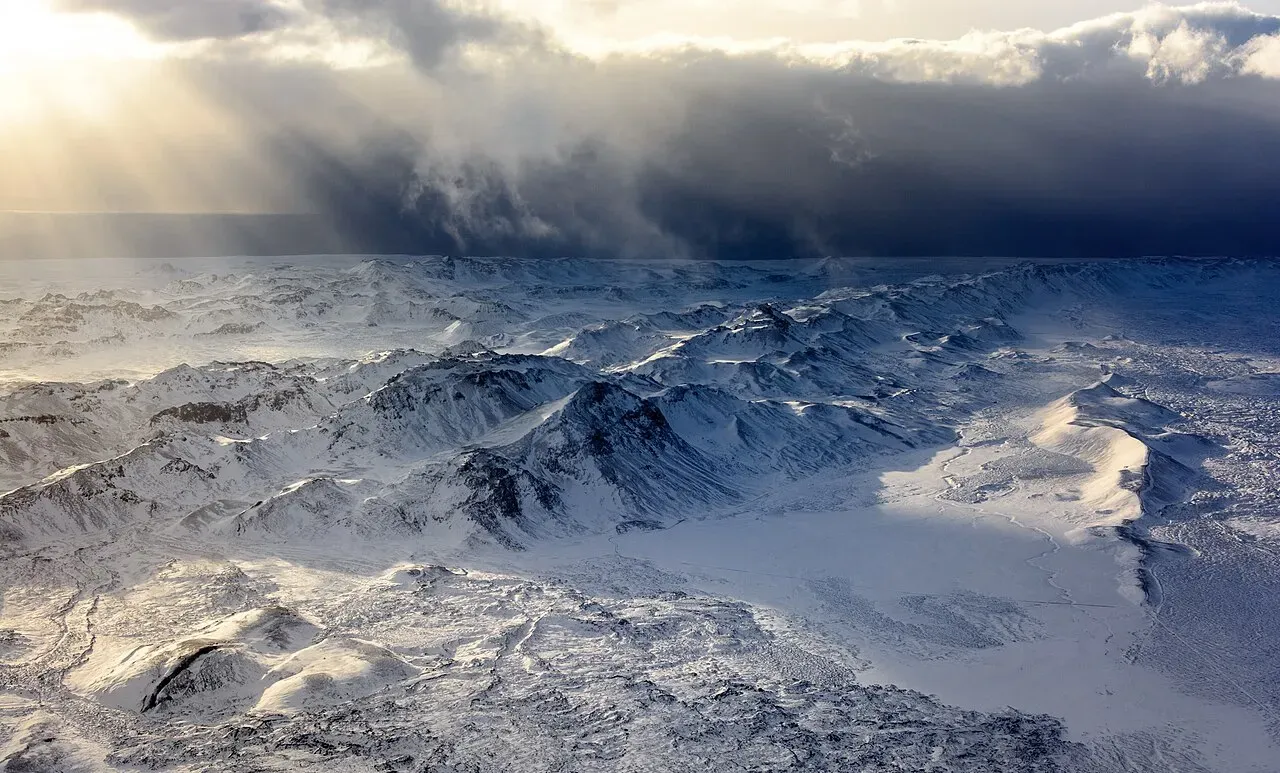
Iceland in February
Aurora season, ice caves, and outstanding winter value as the light returns
Weather and daylight
- Daylight
- 7–10 hours (rapidly increasing)
- Temperature
- -2 to 3°C (28–37°F), Reykjavík average daily low to high
- Wind and storms
- Atlantic storms can bring gusts exceeding 100 km/h
- Precipitation
- Snow, sleet, and freezing rain; storms typically last 1–2 days
All months side by side: best time to visit Iceland
Good and bad sides of February
Why February works
- More daylight than January — 7–10 hours gives significantly more sightseeing time
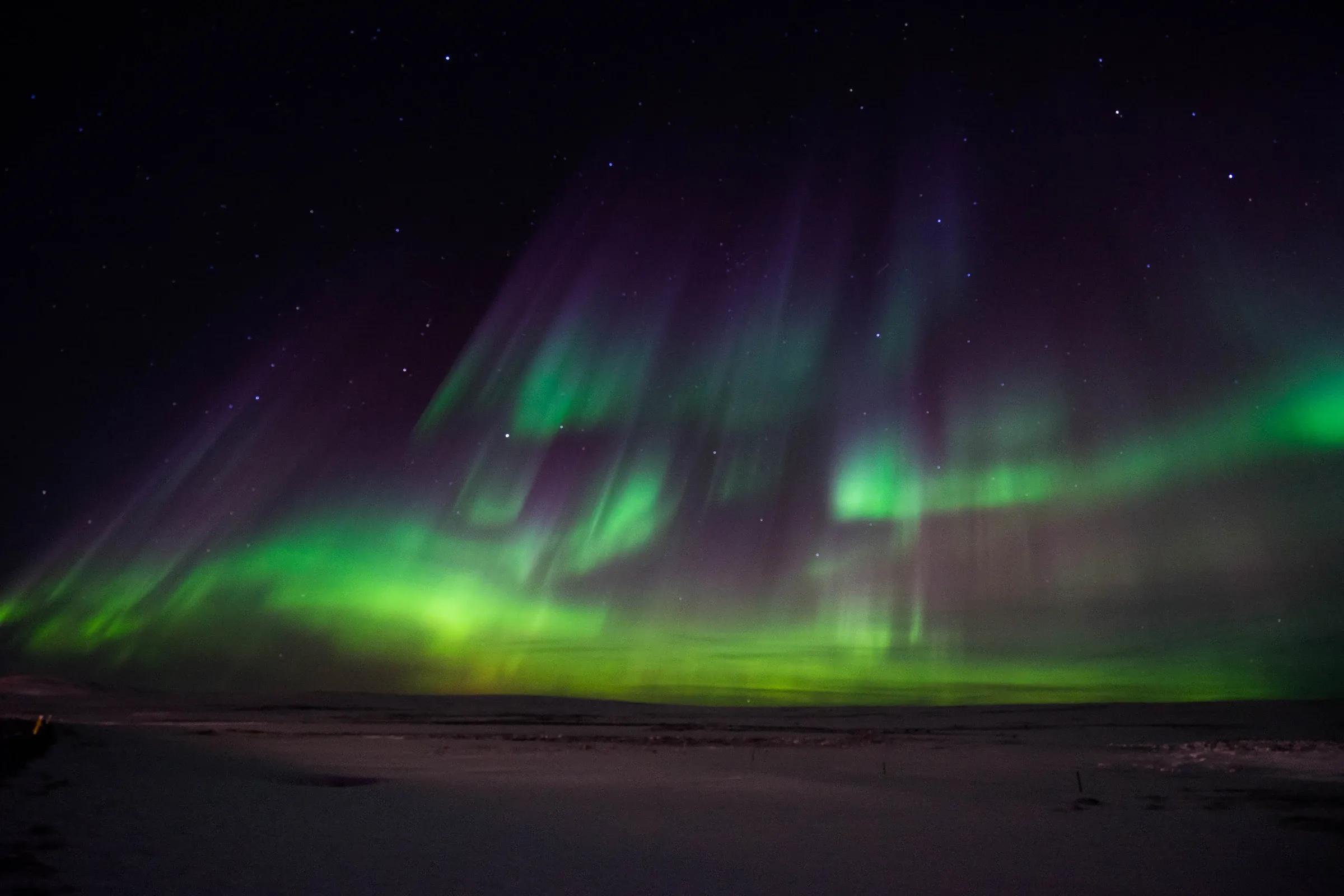
- Excellent northern lights — 14–17 hours of darkness with often better weather stability
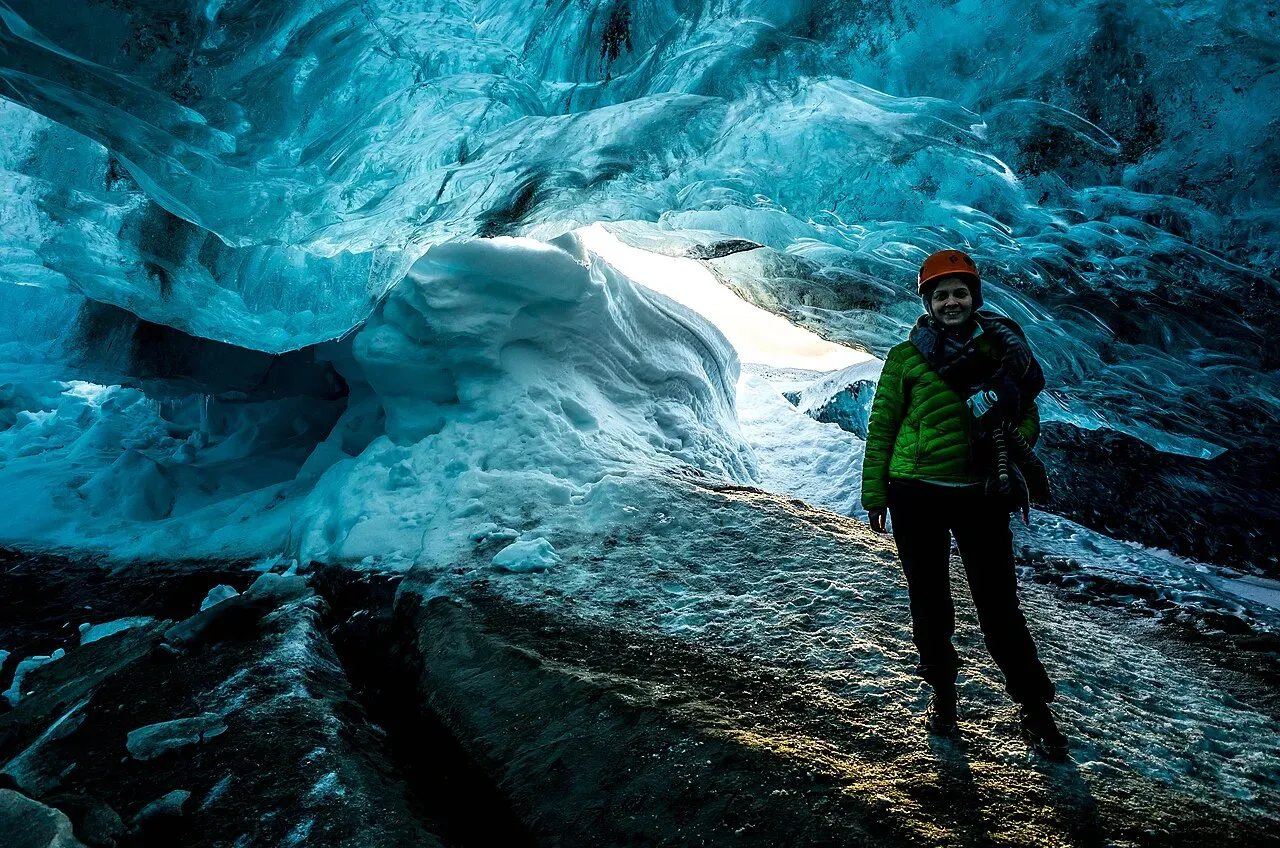
- Ice caves in great condition — cold temperatures keep glacier ice solid and vivid blue
- Very affordable — prices remain near annual lows
- Winter Lights Festival (Vetrarhátíð) — a unique cultural event most tourists miss
- Romantic atmosphere for couples — hot springs, aurora, and cozy restaurants
What to know before you go
- Powerful winter storms — February can bring the fiercest storms of the year
- Road closures possible — storms can temporarily shut roads and cancel tours
- Still cold — wind chill makes it feel significantly below freezing
- Highland F-roads closed — no access to the interior
- Limited rural services — some guesthouses and restaurants closed for winter
- Whale watching unreliable — success rates lower than summer
What to do in February
Northern Lights
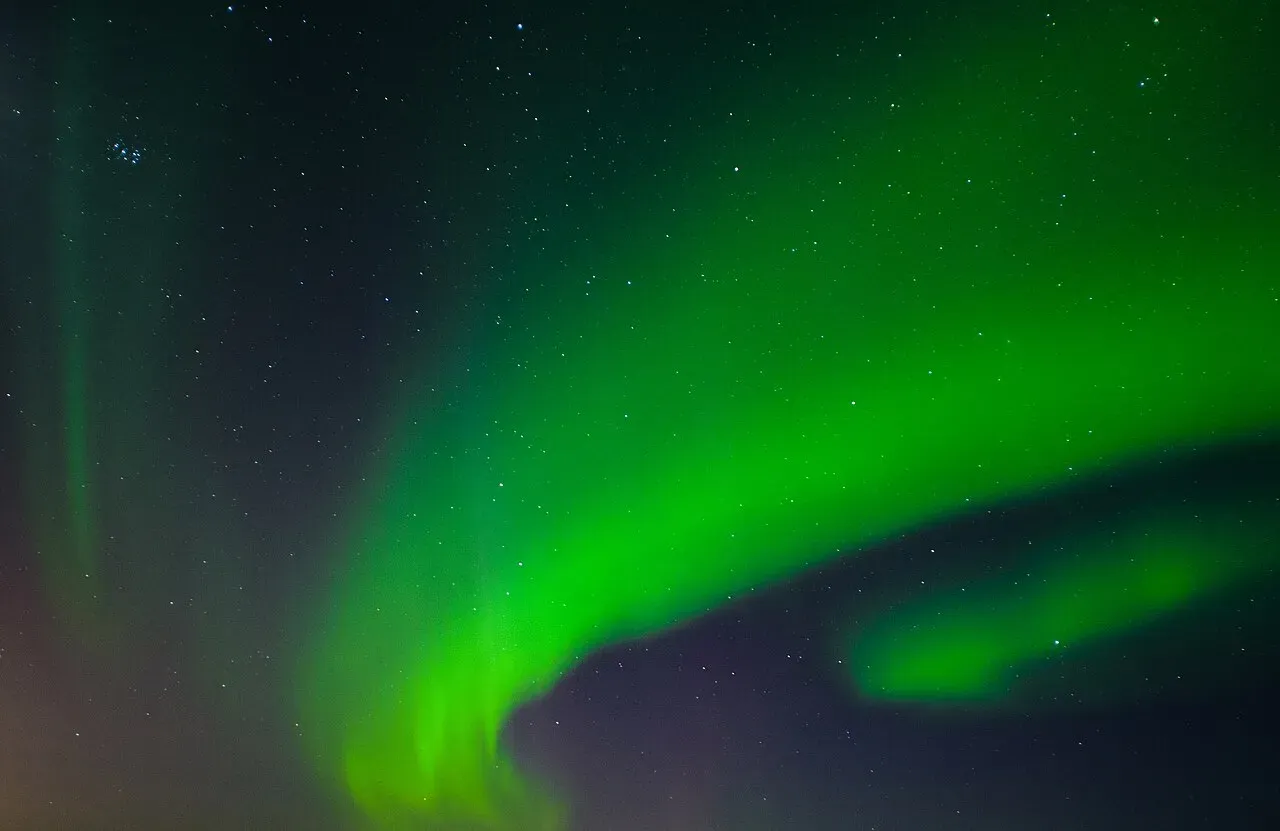
February remains one of the best months for aurora viewing. You still get 14–17 hours of darkness each night, and temperatures are slightly milder than January. February often has more settled weather between storms, improving chances of clear skies. Check vedur.is and plan multiple viewing nights across your trip.
Ice Cave Tours
Natural ice caves inside Vatnajökull are still in excellent condition in February. The longer daylight compared to January lets you combine a cave tour with other south coast sightseeing in the same day. Tours last 3–4 hours including super jeep transport, costing 19,000–25,000 ISK (130–170 EUR) per person.
Winter Lights Festival
Reykjavík's annual Vetrarhátíð celebrates the returning light with dramatic projections on city buildings, Museum Night (Safnanótt) with free admission to dozens of museums staying open late, and Pool Night where geothermal pools host special events. A uniquely Icelandic celebration most tourists never hear about.
Snæfellsnes Peninsula
With more daylight than January, a full-day Snæfellsnes trip becomes viable. Kirkjufell mountain, the coastal formations at Arnarstapi and Lóndrangar, and Snæfellsjökull glacier are beautiful with a mix of snow and winter light. The 2-hour drive from Reykjavík is well-maintained but check umferdin.is before departing.
Geothermal Bathing
The cold air and steaming water combination is magical in February. Beyond the Blue Lagoon, consider Earth Lagoon Mývatn in north Iceland (less crowded), or Reykjavík's municipal pools where locals gather year-round. The contrast of 38–40°C water and freezing air is one of Iceland's most memorable sensations.
Whale Watching from Reykjavík
Some operators run winter tours from Reykjavík's Old Harbour, looking for minke whales, dolphins and harbour porpoises. Sightings are less reliable than in summer and tours are often cancelled for weather. Dress extremely warmly.
Events and festivals
Vetrarhátíð (Winter Lights Festival)
Reykjavík's celebration of the returning light features dramatic light installations on city buildings, Museum Night with free museum access, and Pool Night with special events at geothermal pools. The festival usually spans a long weekend and is a highlight of Reykjavík's cultural calendar. Check the city website for current dates.
Valentine's Day
Iceland has become a popular Valentine's destination. Hot springs under the northern lights, ice caves, and Reykjavík's intimate restaurants make an unforgettable couples' trip. The Blue Lagoon and Sky Lagoon offer romantic evening visits. Accommodation sees a slight price bump February 13–16 but remains far below summer.
Practical tips
- 1Build flexibility into your itinerary — February storms can last 1–2 days
- 2If a red weather warning is issued, do not drive — wait it out in your accommodation
- 3Book ice cave tours a week or more in advance
- 4The Valentine's Day period (Feb 13–16) sees modest price increases at romantic hotels
- 5Check vedur.is every morning for aurora forecast and storm warnings
- 6February's low sun angle creates golden photography light lasting for hours
- 7Rent a 4WD with winter tires — roads can become dangerous quickly in storms
- 8Bring a swimsuit — February's cold air makes hot pools even more enjoyable