Blue Lagoon
- Distance
- 45 minutes
- Temperature
- 37–39°C
- Cost (2026)
- Paid; see website
- Crowds
- Very High
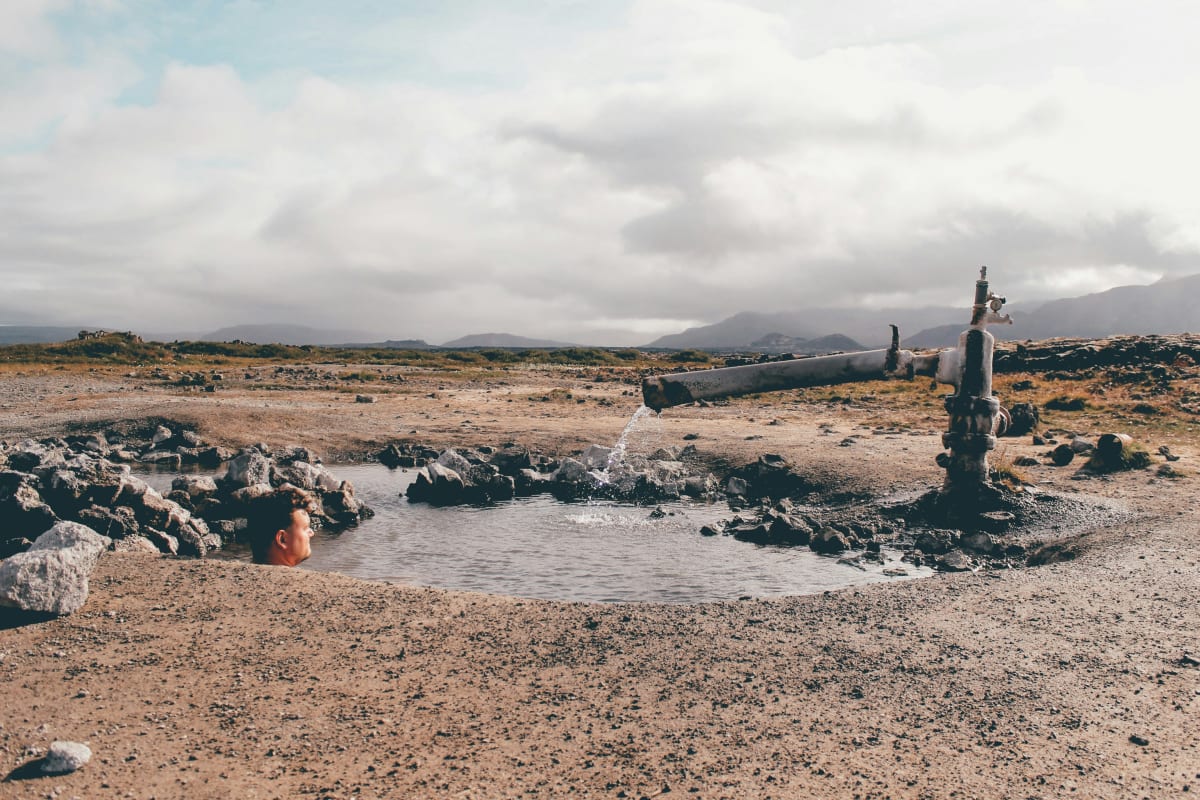
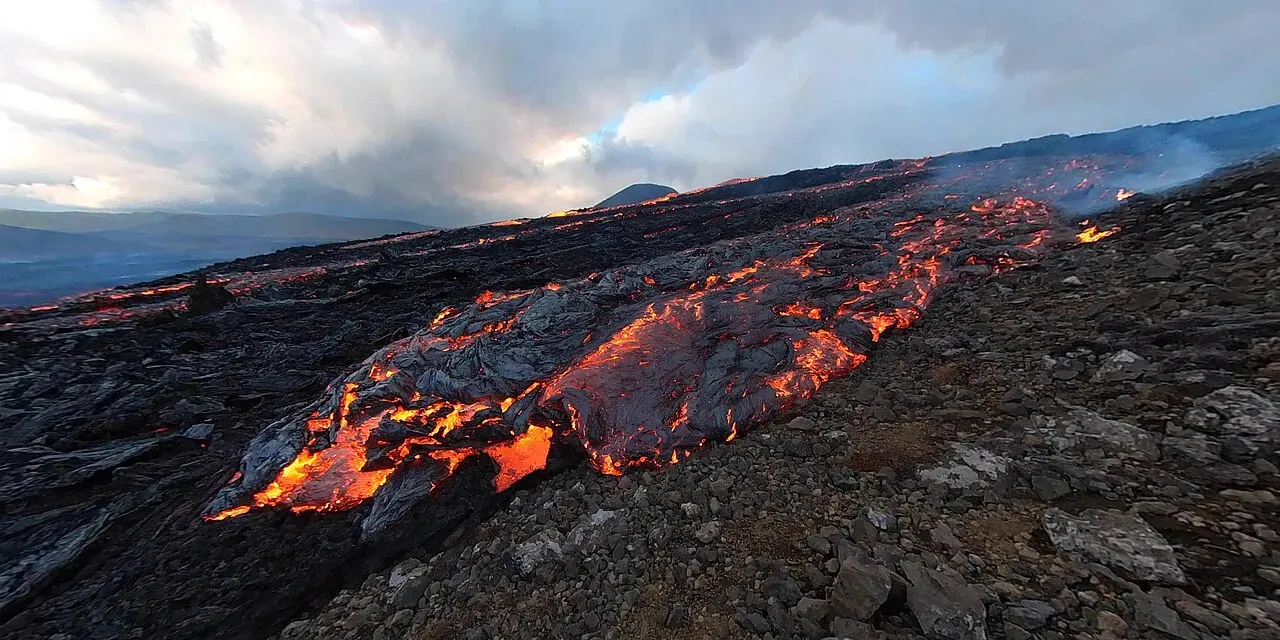
Iceland sits on a volcanic hotspot, and geothermal water heats its homes, pools and natural hot springs.
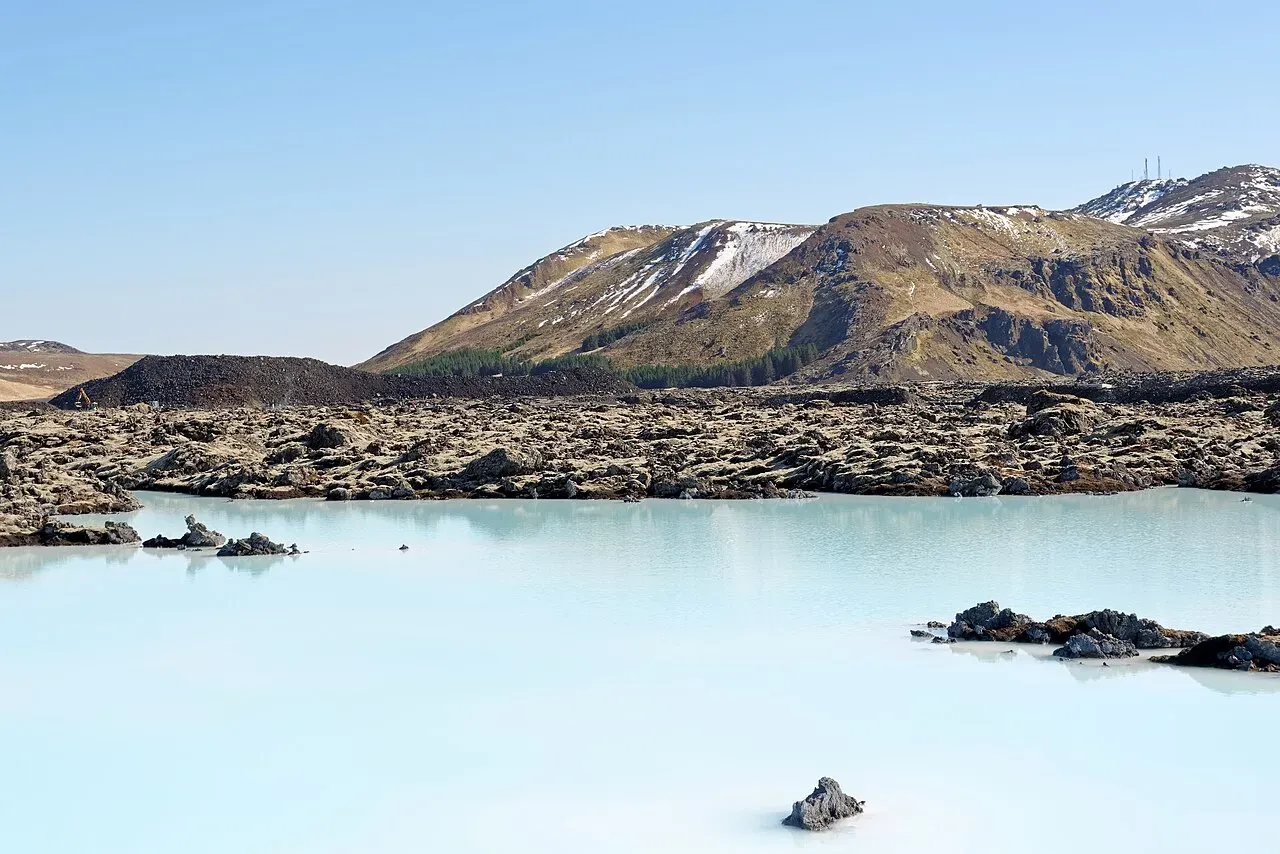
The crown jewel of Iceland's geothermal attractions — a milky-blue lagoon that has become more famous than many natural wonders. Book well in advance.
37–39°C · 45 min from Reykjavík
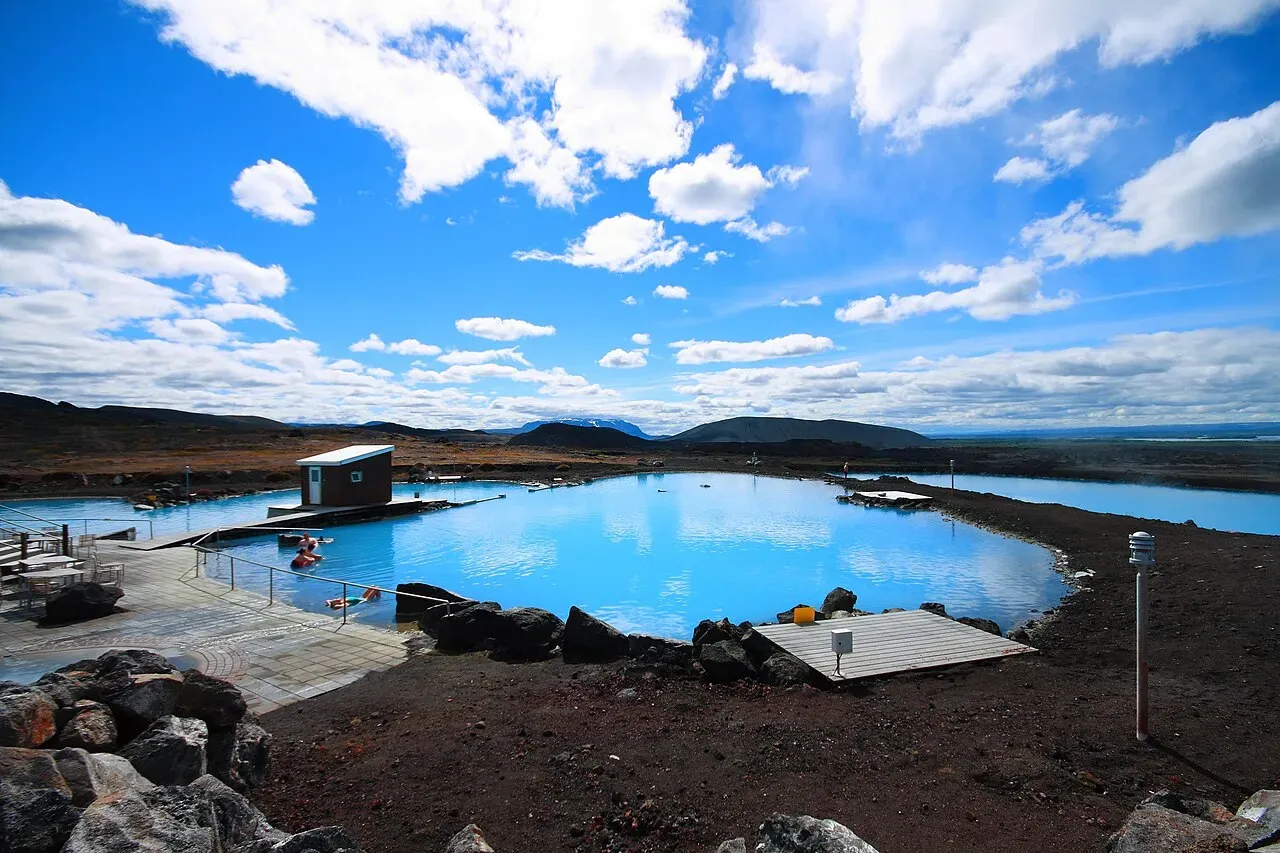
North Iceland's answer to the Blue Lagoon. Less crowded, more authentic, with mineral-rich blue-green water and dramatic volcanic landscapes.
Mineral-rich · 5 hrs from Reykjavík
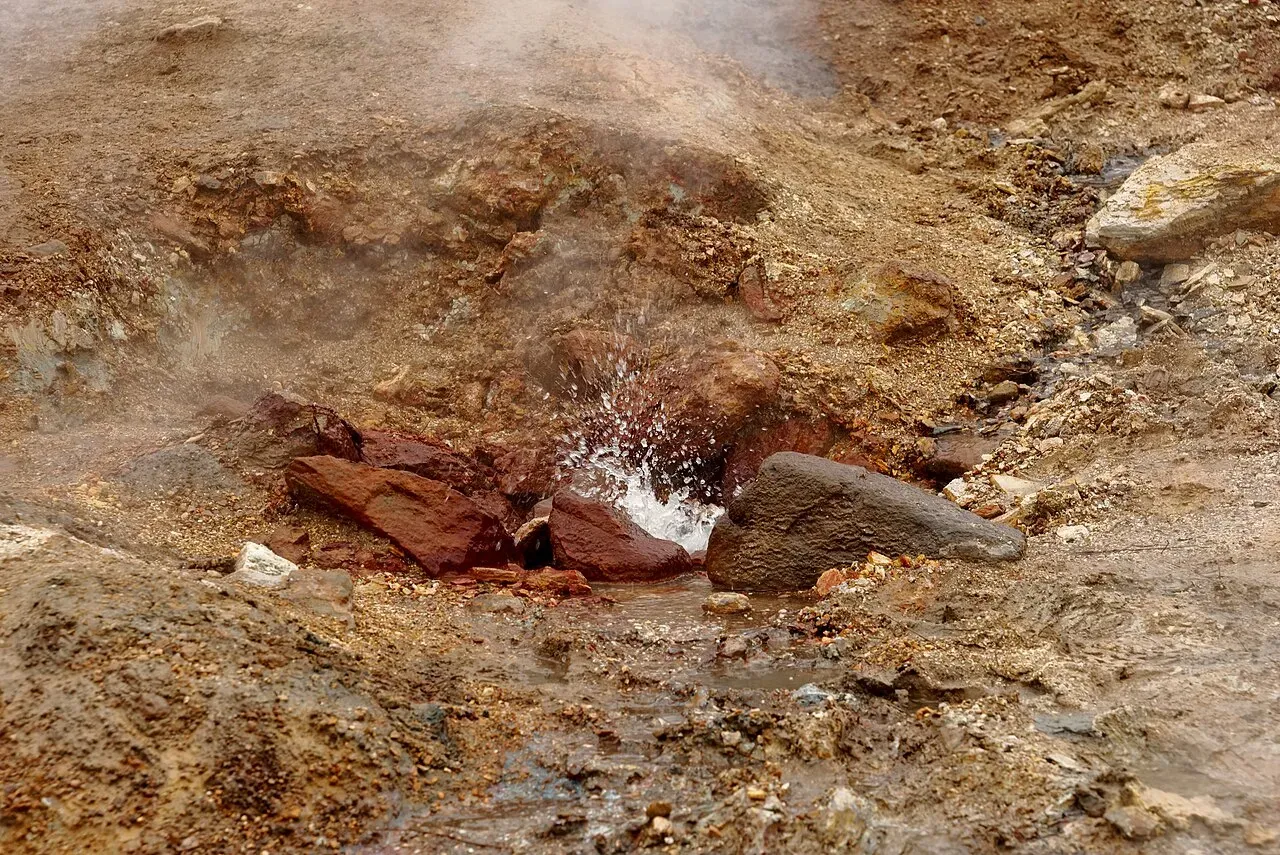
A natural hot river where you soak in geothermally heated water surrounded by steaming hills. Requires a scenic hike to reach.
1–2 hour hike each way · Year-round
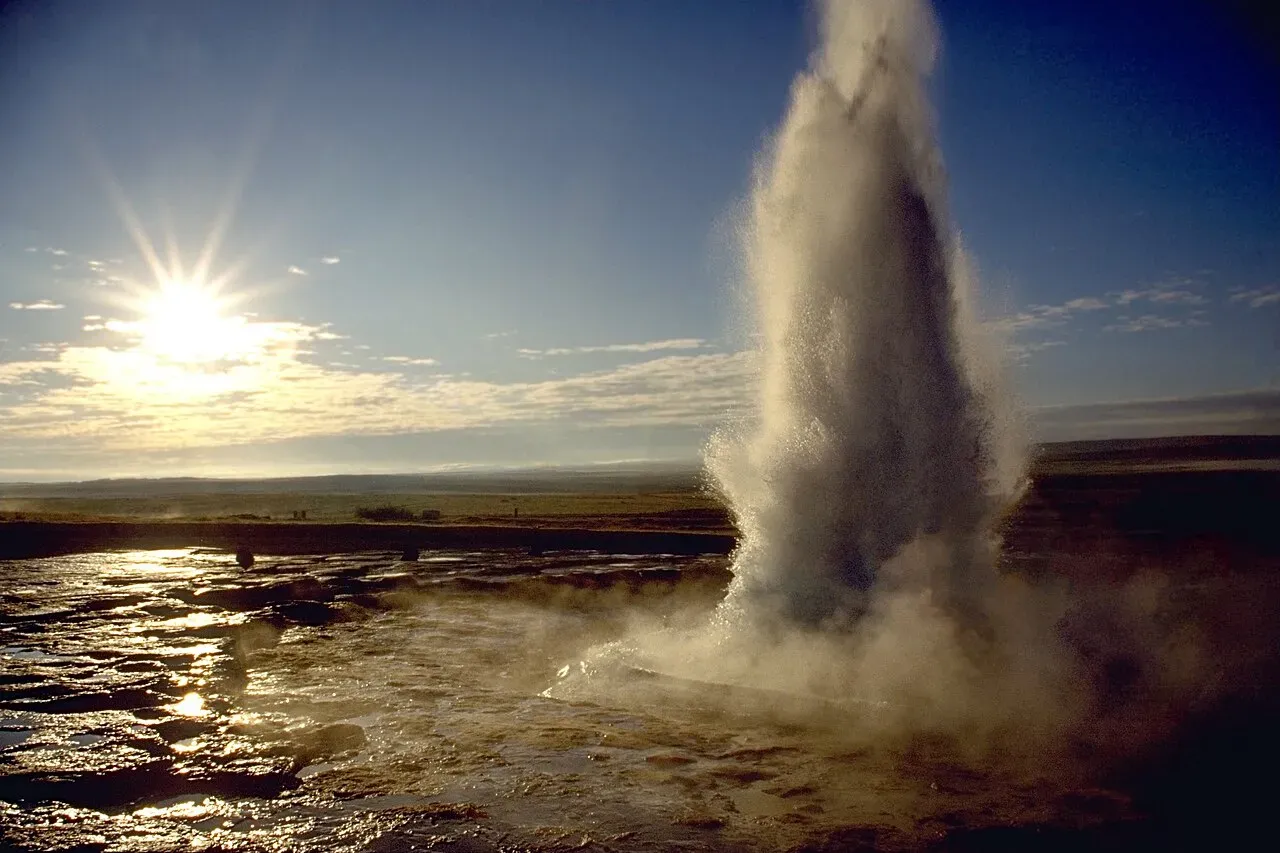
Iceland sits directly on the Mid-Atlantic Ridge where two tectonic plates slowly pull apart, creating one of the world's most active geothermal systems. This unique geological position means superheated water naturally emerges from the ground at temperatures around 165°F (74°C), requiring cooling before bathing. The result is over 100 municipal pools and approximately 600 or more natural geothermal springs across this small island nation.
The same geothermal energy heats around 89% of Iceland's homes. The Mid-Atlantic Ridge spreads 2 centimetres per year, generating continuous geological activity beneath your feet. Water picks up silica, sulfur, and algae on its journey through magma-heated rock, creating the mineral-rich waters that draw visitors from around the world.
The Blue Lagoon is Iceland's most iconic geothermal spa, set in a lava field near Grindavík on the Reykjanes Peninsula. Its milky blue waters, rich in silica and minerals, attract over a million visitors annually. Prices depend on the package and time slot, and advance booking is always required — often weeks ahead in summer.
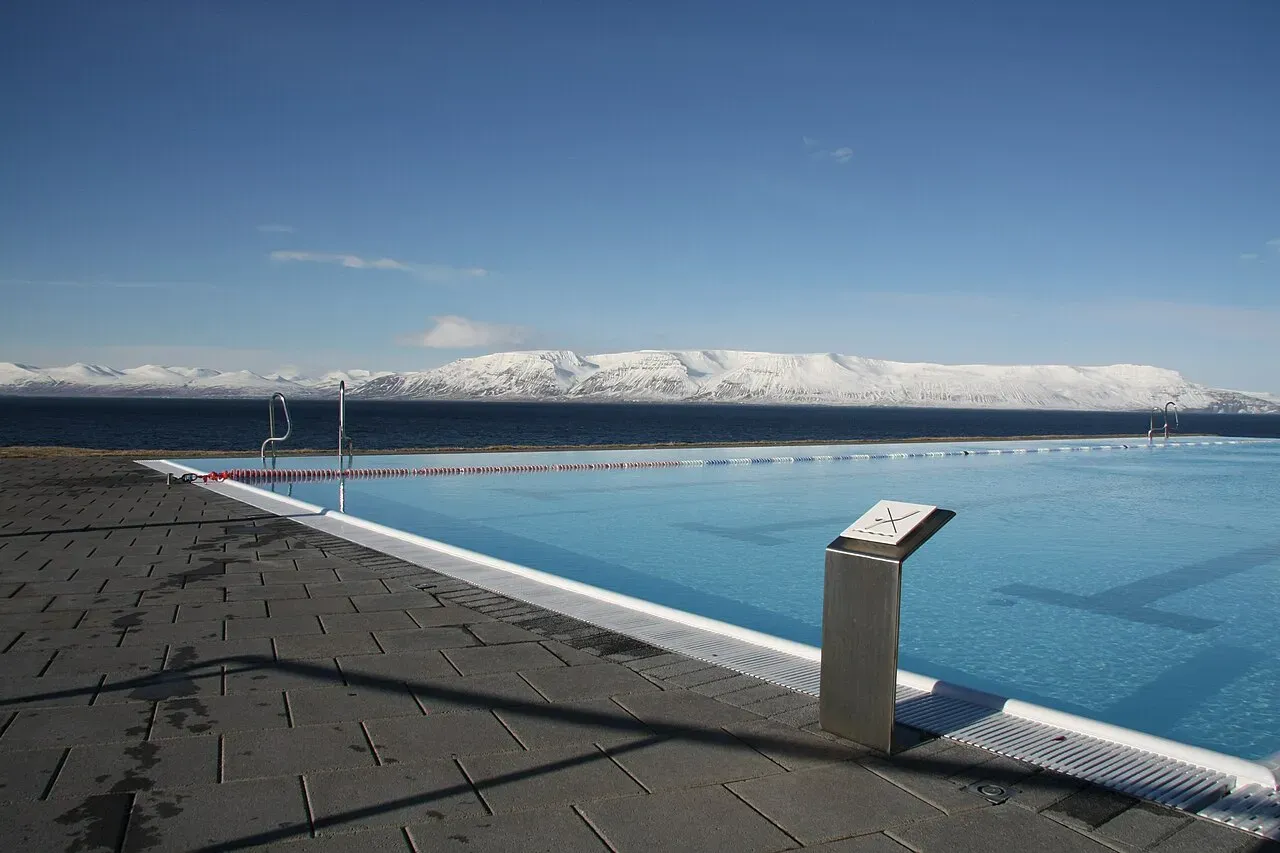
Sky Lagoon, just 15 minutes from Reykjavík, offers a more urban but equally stunning experience. Its infinity-edge pool faces the open sea, and the 7-step spa ritual — involving sauna, cold plunge, and mist — provides a structured wellness experience.
Earth Lagoon Mývatn (formerly Mývatn Nature Baths) in North Iceland is a five-hour drive from Reykjavík but offers the same mineral-rich soaking with a fraction of the crowds and stunning volcanic mountain views. The Secret Lagoon near Flúðir, Iceland's oldest natural pool from 1891, is a more rustic option with a small natural geyser nearby.
The Vök Baths in East Iceland sit on floating platforms on Lake Urriðavatn — the first geothermal bath built directly on a lake — with mountain reflections in the water.
Iceland's hot springs range from world-famous luxury spas like the Blue Lagoon to completely wild and untouched natural pools hidden in remote valleys. Whether you seek a pampered spa experience or a rugged wilderness adventure, Iceland's geothermal diversity has something to offer every traveler.
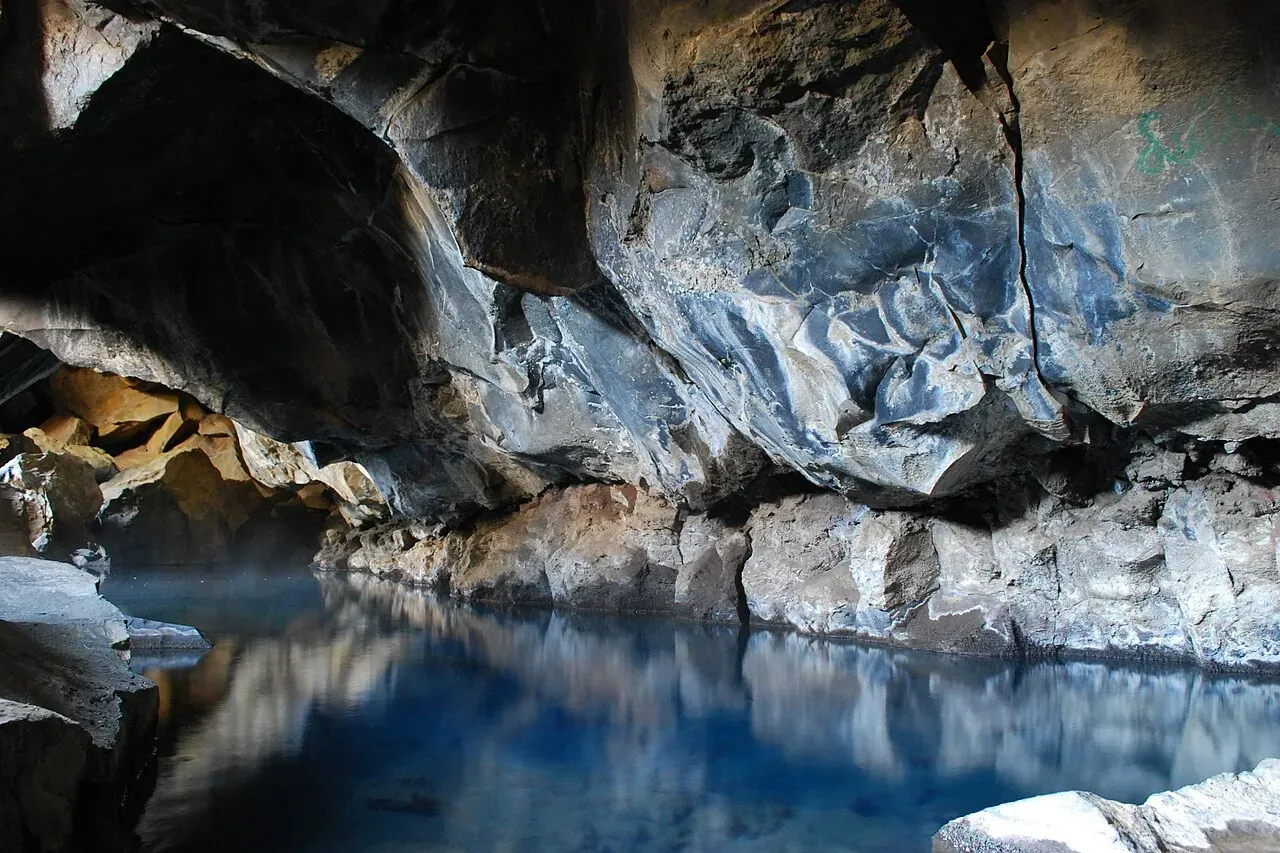
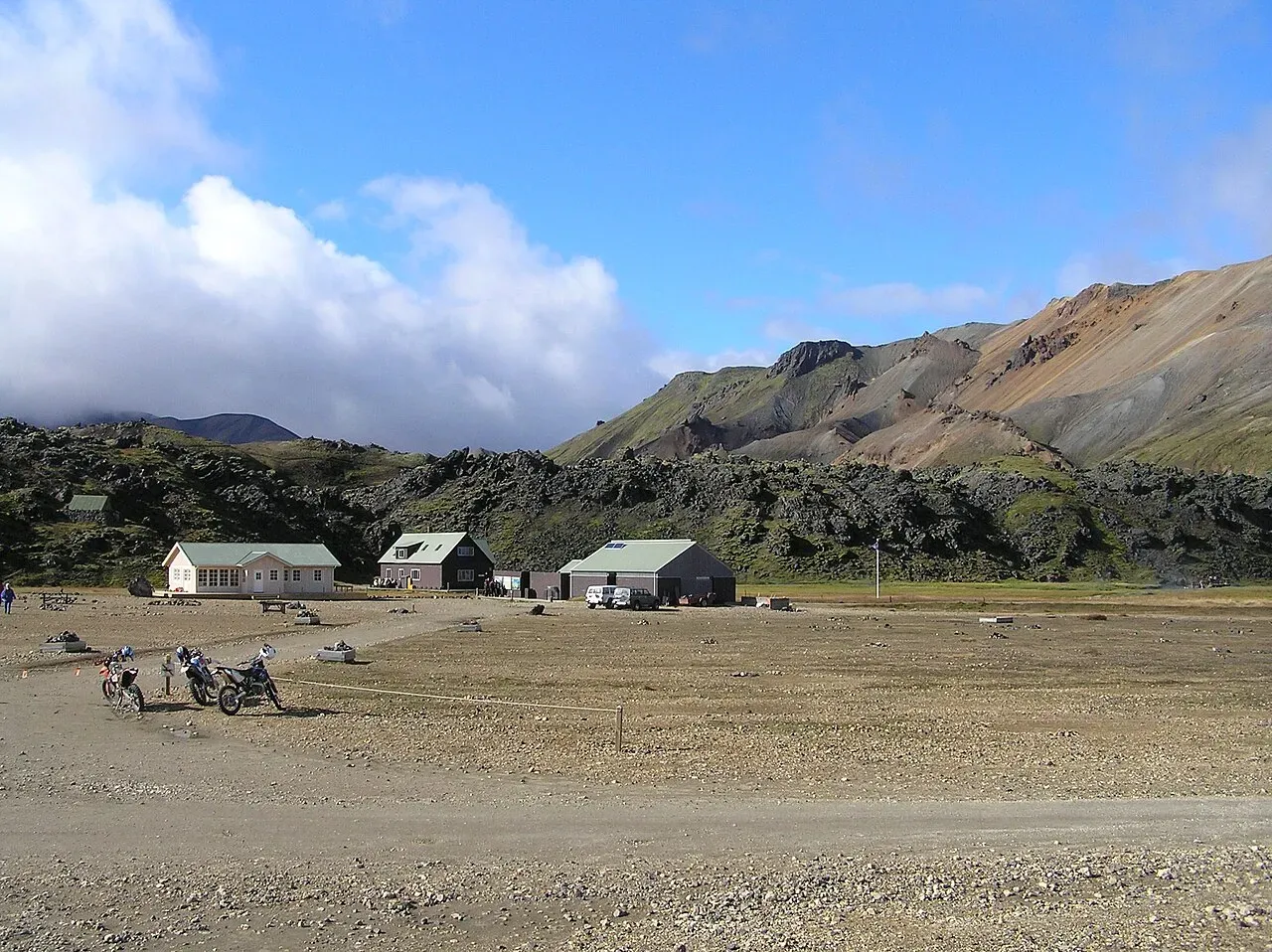
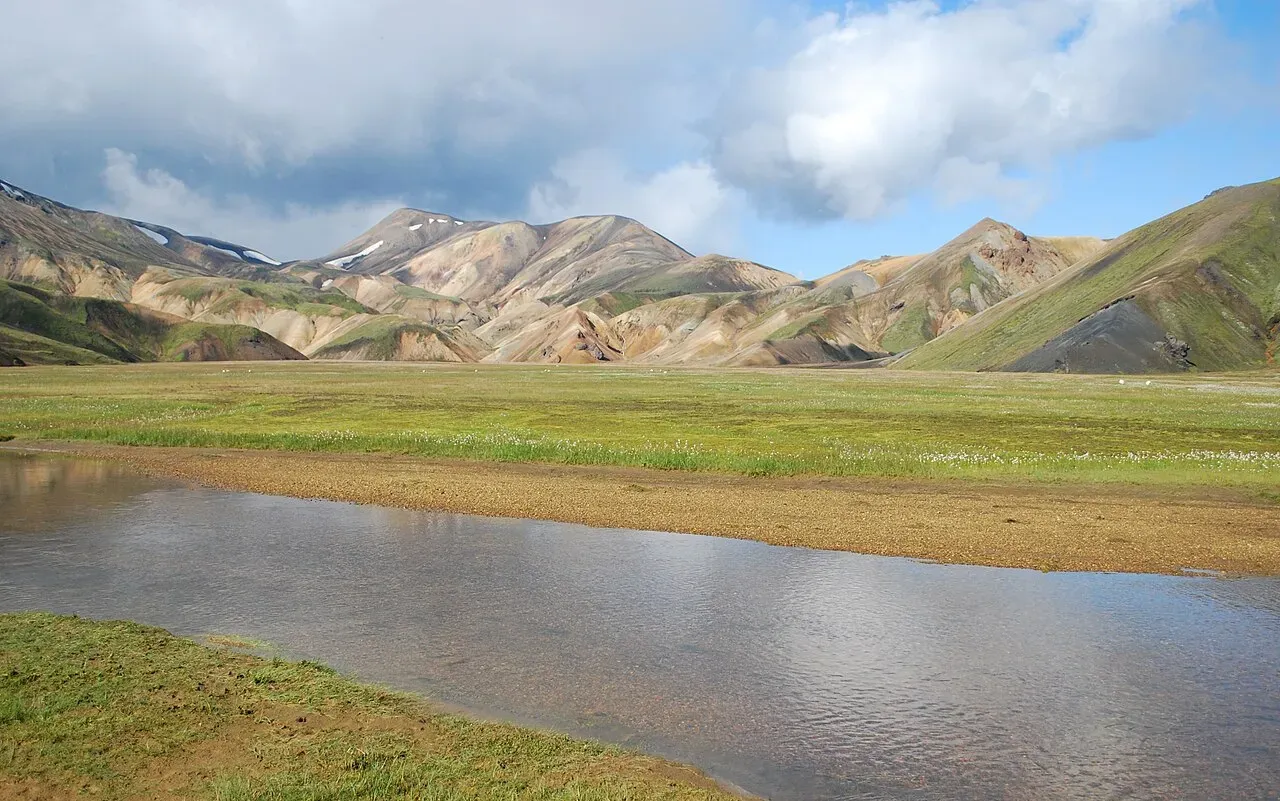
Southwest Iceland offers the famous Reykjadalur hot river, a 1–2 hour hike (about 3.5 km) from a carpark 45 minutes from Reykjavík. The reward is bathing in a naturally heated river surrounded by steaming hills and geothermal activity. It costs nothing and provides a raw connection with Iceland's geothermal landscape. Nearby Landmannalaugar, accessible only by 4WD or highland bus from June to September, offers natural pools among Iceland's spectacular rainbow-coloured rhyolite mountains.
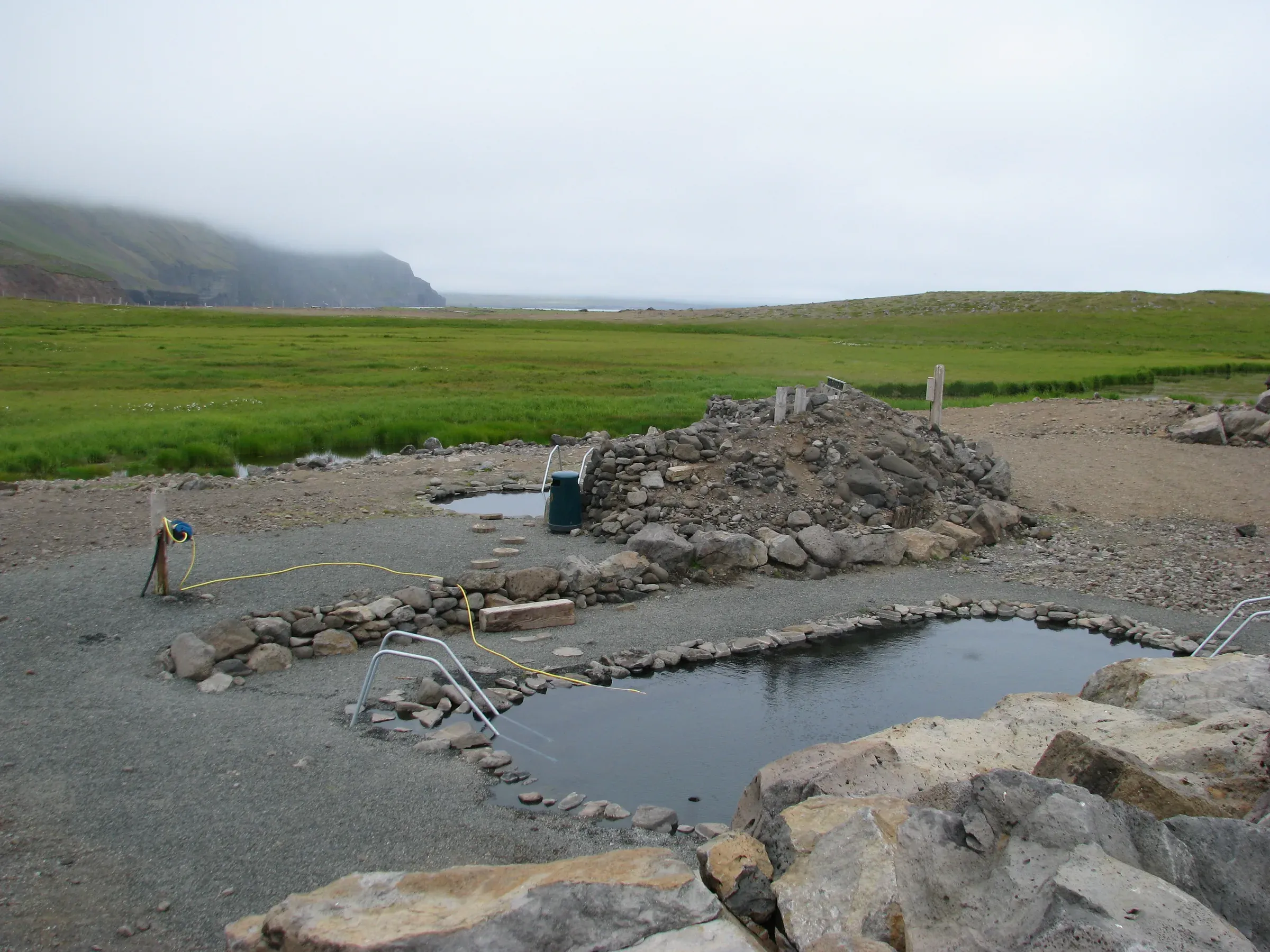
The Westfjords hide some of Iceland's most remote and spectacular hot springs. Hellulaug is a tiny natural pool carved into ocean cliffs with space for only 2–3 people — completely free, completely wild, and overlooking the fjord. Hörgshlíð, on a working sheep farm, provides an authentic countryside experience with views of rolling hills and coastline.
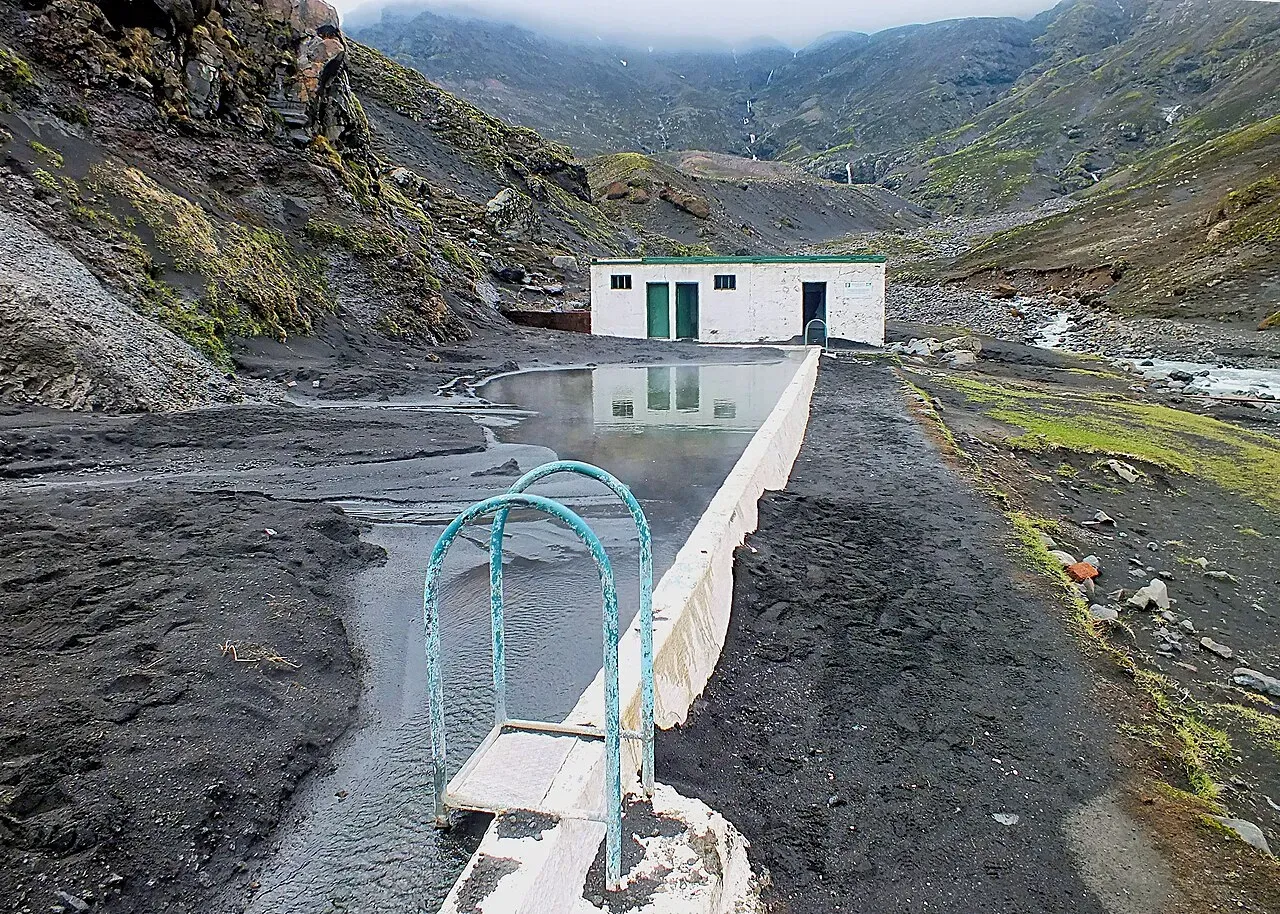
Seljavallalaug, Iceland's oldest swimming pool built in 1923, hides in a scenic valley 15 minutes from the car park near Seljalandsfoss. The water temperature varies by season but the wild, untouched atmosphere remains constant. In the Central Highlands, Strútslaug near Torfajökull is one of Iceland's most pristine wild bathing spots, accessible by 4WD via the Syðri Fjallabak road from June to September.
Icelanders have bathed in hot springs for centuries — Snorralaug in Reykholt appears in the medieval sagas. Today's more than 100 municipal pools continue this tradition, serving not just as recreational facilities but as vital community centres where locals gather daily regardless of weather.
Many Icelanders visit pools three to four times per week. Politicians, workers, and students soak together. Swimming lessons start at 3 months old. Local decisions are often discussed in the hot tubs. Municipal pools cost 1,500 ISK for adults in Reykjavík (May 2026) — a fraction of the tourist spa prices — and offer an authentic insight into Icelandic daily life that no luxury experience can replicate.
In Reykjavík, Sundhöllin (1937) is a beautiful art deco pool in the downtown with multiple hot tubs at different temperatures. Laugardalslaug is the largest complex, with an Olympic pool, water slides, and a full spa area. Both are gathering places for locals and genuinely worth visiting.
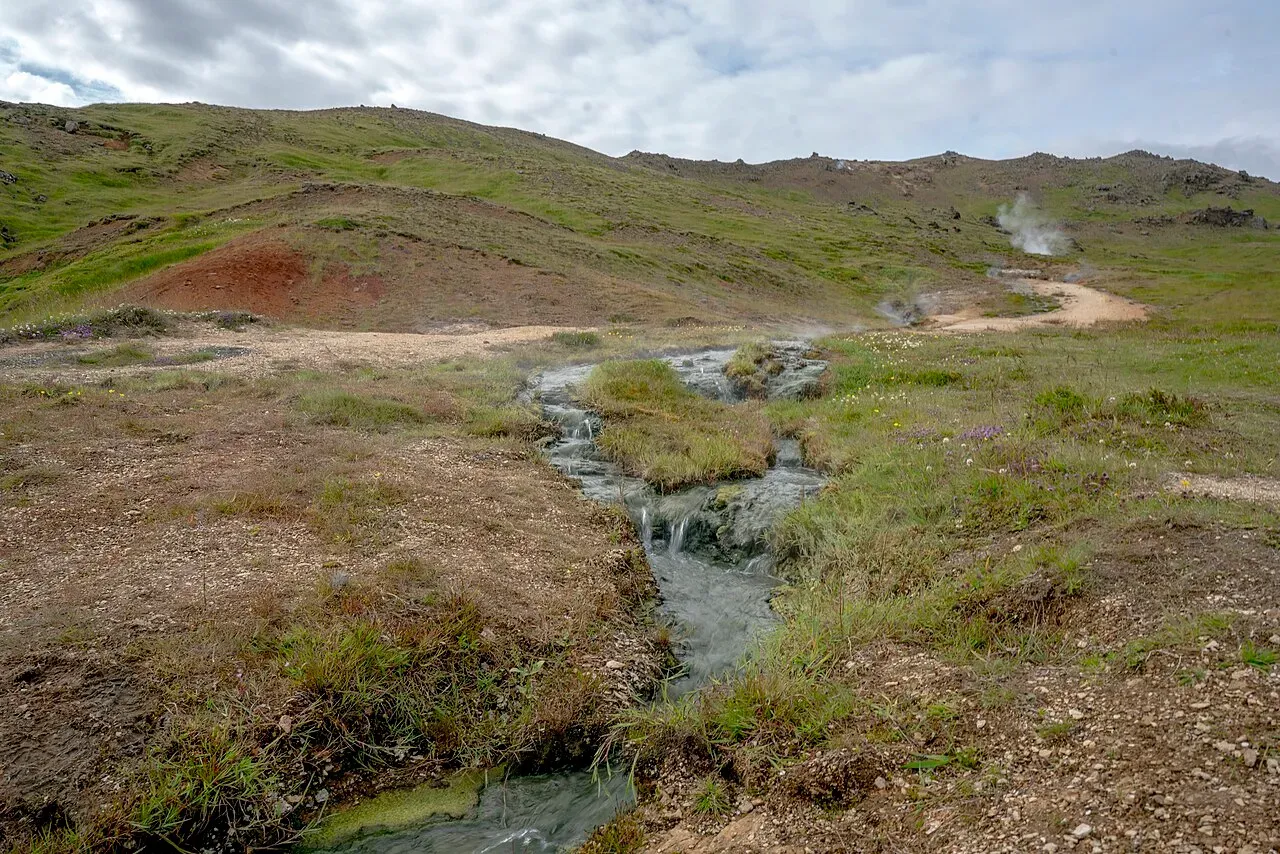
The golden rule is to shower thoroughly — naked, with soap — before entering any pool or spring. This is mandatory at all municipal pools, enforced by shower attendants, and respectful at all natural springs. Icelanders take this seriously, and ignoring it is considered deeply antisocial.
Keep noise levels low in municipal pools, which are community spaces first and tourist attractions second. Photography is generally discouraged in changing areas. Never bring soap, shampoo, or lotions into natural springs — even biodegradable products can harm delicate ecosystems.
At wild and natural springs, pack out all rubbish, stay on marked paths, and never move rocks or modify natural pools. Some springs have been permanently damaged or closed due to irresponsible tourism. Always check SafeTravel.is for current access restrictions before heading out.
Geothermal bathing offers real physiological benefits. Heat dilates blood vessels, improving circulation. Warm water reduces muscle tension and joint stiffness. The silica-rich water at the Blue Lagoon has been shown to improve skin texture. Steam can help clear respiratory passages. Medical research supports hot spring bathing for arthritis, chronic pain, and cardiovascular health.
The mental health benefits are equally significant. Iceland's geothermal culture provides social connection during dark Arctic winters — communal hot tub conversations are where friendships are maintained and community bonds strengthened. The mandatory disconnection from phones and technology that pool culture encourages is itself therapeutic.
Practical guidelines: limit soaks to 15–20 minutes per session, hydrate with water throughout, take cool-air breaks between sessions, and exit immediately if you feel dizzy or unwell. Start in cooler pools and move to hotter ones gradually.
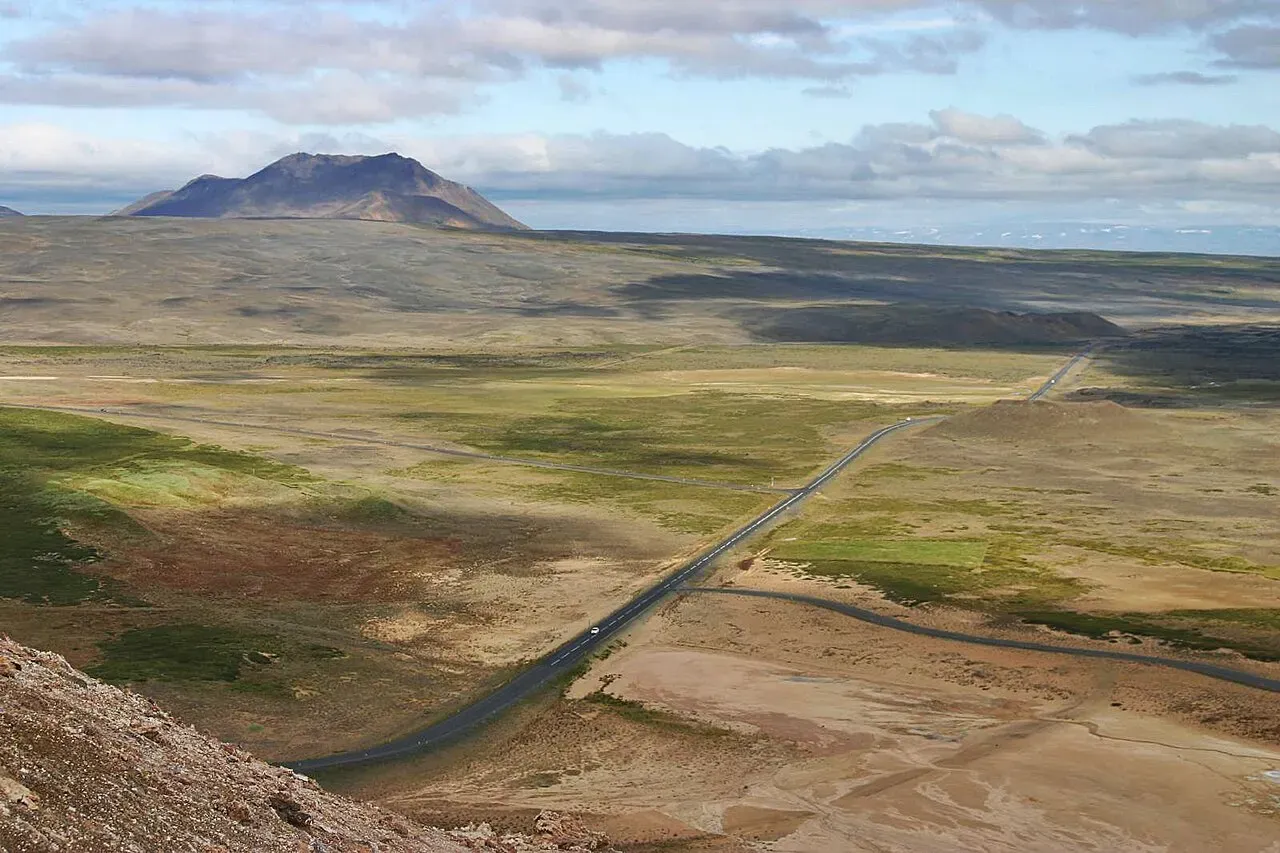
Book the Blue Lagoon and Sky Lagoon well in advance — weeks ahead in summer, days ahead in shoulder seasons. Earth Lagoon Mývatn can usually be booked same-day in low season. Municipal pools never require booking; pay at the entrance.
Budget planning: municipal pools are cheap (adult entry in Reykjavík was 1,500 ISK in May 2026), while lagoons and spas cost several times more and change prices often; check their websites. The entire range of Icelandic hot spring experiences can be sampled for a very modest cost if you prioritise natural springs and municipal pools.
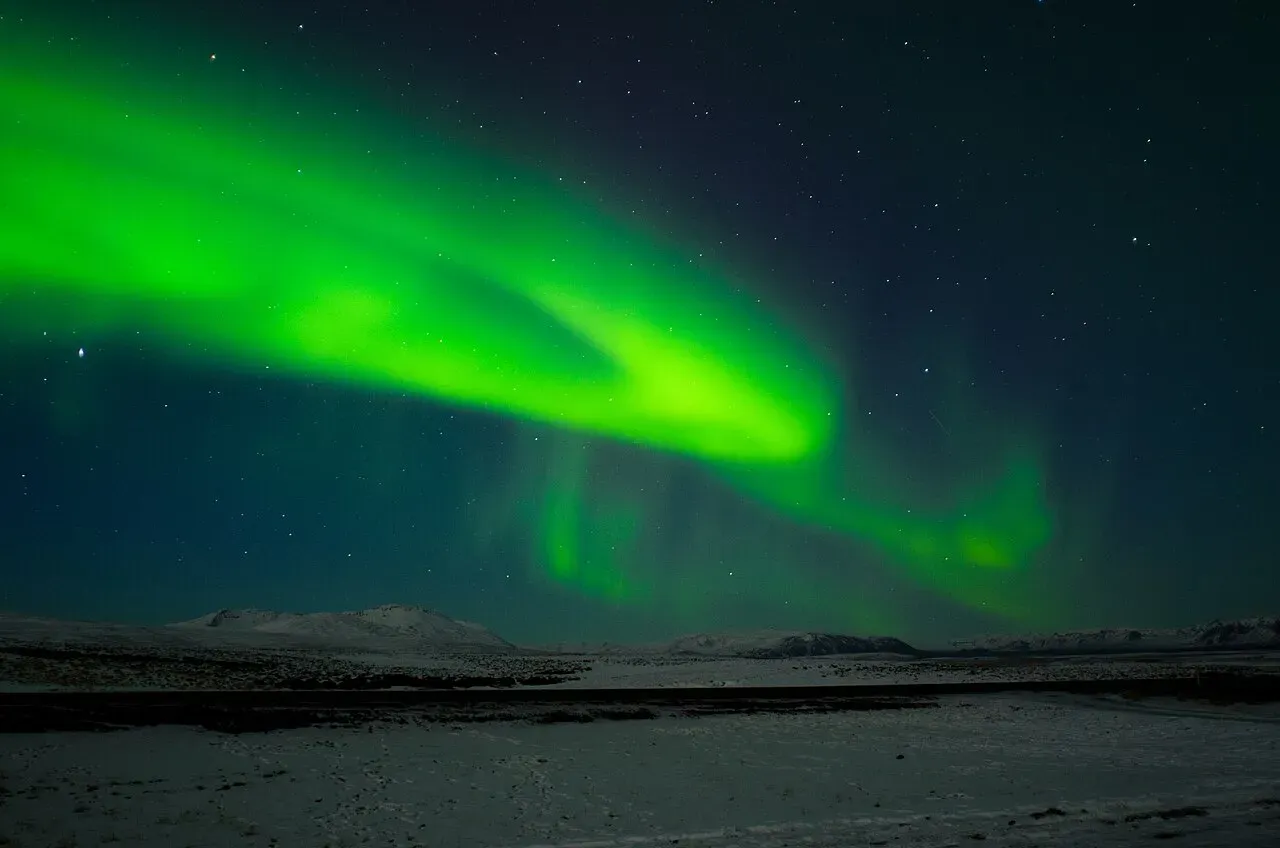
For timing, visit early morning (8–10 AM) or late evening to avoid peak crowds at commercial spas. Winter offers northern lights viewing while you soak and a magical steam-in-snow experience. Summer gives access to remote highland springs like Landmannalaugar. Shoulder seasons (May, September) offer fewer crowds and lower prices at the same natural wonders.
Visit early morning (8–9 AM) or late evening (7–8 PM) for fewer crowds. Silica mud mask is included — apply for 10 minutes max.
Bring water shoes for rocky entrances. Check weather conditions for highland springs like Landmannalaugar.
Municipal pools (1,500 ISK for adults in Reykjavík) offer authentic Icelandic experience at a fraction of tourist spa prices.
Blue Lagoon and Sky Lagoon require advance booking. Secret Lagoon and Mývatn usually available same-day.
Winter for northern lights views, summer for midnight sun bathing, spring and fall for fewer crowds.
Outdoor bathing in snow creates an unforgettable experience — most magical between November and March.
Some spring access roads are seasonal. Always check conditions before setting out.
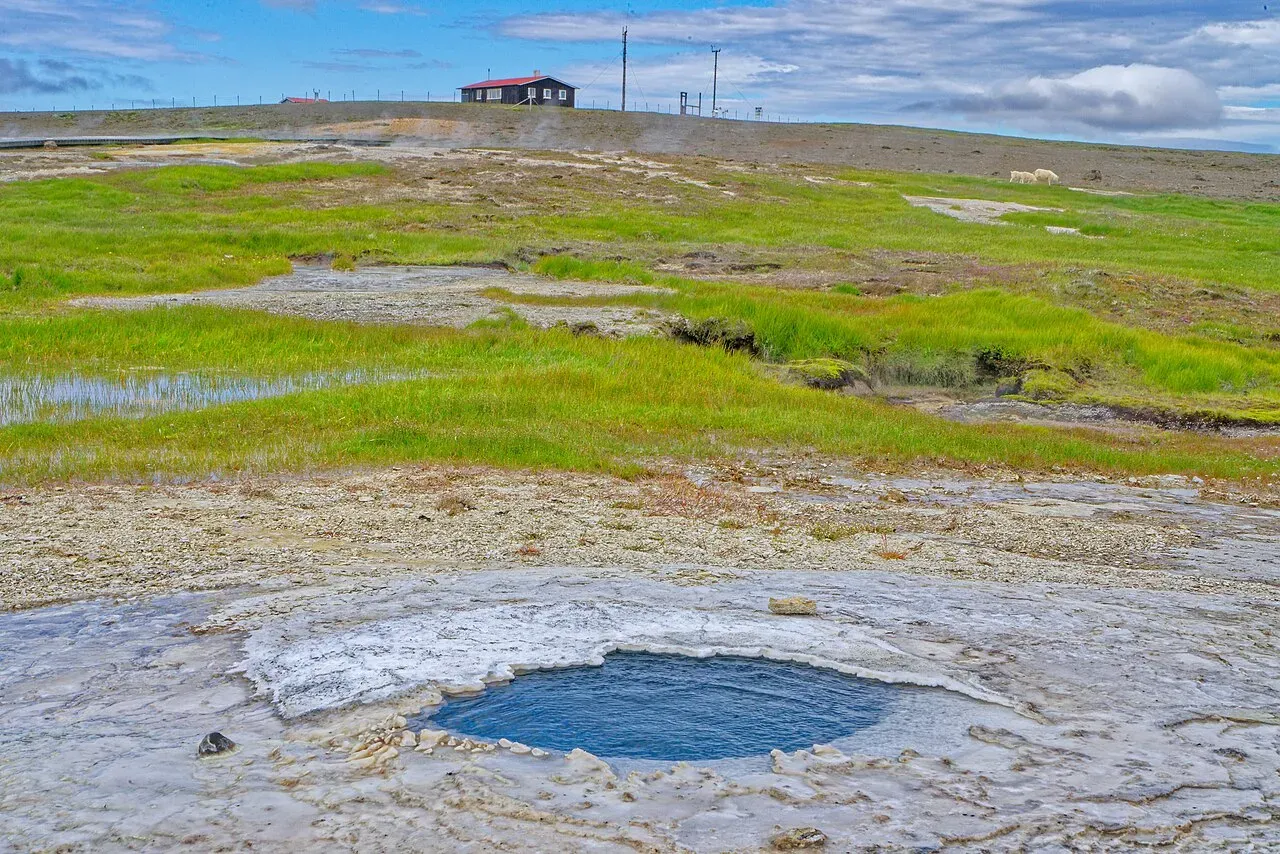
Iceland's geothermal areas are spectacular but can be extremely dangerous. Always stay on marked paths, heed warning signs, and never touch hot spring water without testing it first. Some natural springs exceed 80°C. For emergencies, call 112. For non-emergency medical advice, call 1700.
Yes, but it's very expensive and very crowded. For a more authentic and affordable experience, try the Secret Lagoon, Earth Lagoon Mývatn if you're in the north, or any municipal pool.
Absolutely — this is mandatory, not optional. You must shower naked with soap before entering any pool or hot spring. Pool attendants enforce this at municipal pools. It's an ingrained part of Icelandic culture and public hygiene.
Yes, and many Icelanders consider winter the best time. Soaking in geothermal water while snow falls around you is magical. Municipal pools, the Blue Lagoon, Sky Lagoon, and Earth Lagoon Mývatn are all open year-round.
Reykjadalur — a natural hot river requiring a 1–2 hour hike each way — is the most accessible free spring near Reykjavík. Seljavallalaug is another excellent free option. In the Westfjords, Hellulaug offers ocean-view soaking for free but is very remote.
Plan 2–3 hours for a full experience including the sauna, silica mud mask, steam room, and different pool zones. Add travel time: it's 45 minutes from Reykjavík or 20 minutes from Keflavík Airport.
Only in summer (typically June–September) and only by 4WD vehicle or highland bus. The roads are F-roads requiring specific vehicles. In good conditions, the colourful rhyolite mountains surrounding the pools are extraordinary.
They're excellent and underused by tourists. For a low entry fee (1,500 ISK for adults in Reykjavík since May 2026) you get an Olympic pool, multiple hot tubs at different temperatures, steam rooms, and a genuine glimpse into daily Icelandic life. Laugardalslaug and Sundhöllin in Reykjavík are both good starting points.
Iceland's top hot springs depend on your priorities. For luxury: Blue Lagoon or Sky Lagoon. For authenticity: Secret Lagoon, Reykjadalur, or Earth Lagoon Mývatn. For adventure: Landmannalaugar or Hellulaug. Municipal pools offer the most authentic local experience at the lowest cost.
Commercial hot springs and municipal pools are very safe with proper monitoring and facilities. Wild hot springs require care — always test water temperature before entering, as some exceed 80°C. Never enter unmarked boiling pools or mud pots. Stay on marked paths in geothermal areas.
Test water temperature before entering. Some natural hot springs exceed 80°C. Never bathe near active geysers.