Vatnajökull
~7,500 km²
- Location
- South & East Iceland
- Access
- Easy — Jökulsárlón access
- Ice caves
- Crystal Cave (winter)
Vatnajökull, Europe's largest glacier by volume, covers about 7% of Iceland. Glaciers, glacier lagoons, ice caves and glacier safety.
Vatnajökull
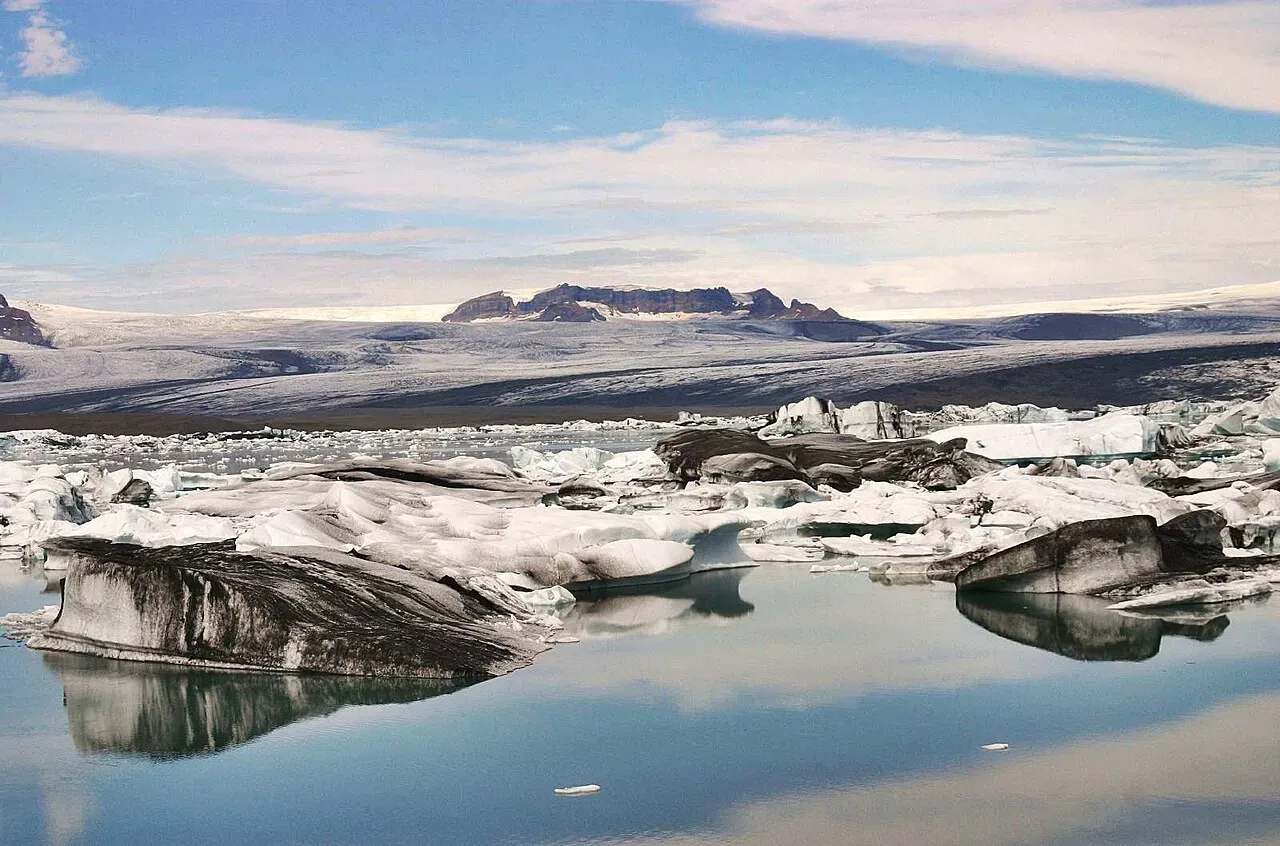
Iceland contains 269 named glaciers; the 13 largest cover around 11% of the country's area. These ancient ice masses create spectacular landscapes, from otherworldly ice caves to massive glacier lagoons filled with floating icebergs. Iceland's glaciers have been losing about 8.3 billion tonnes of ice per year on average since 2000.
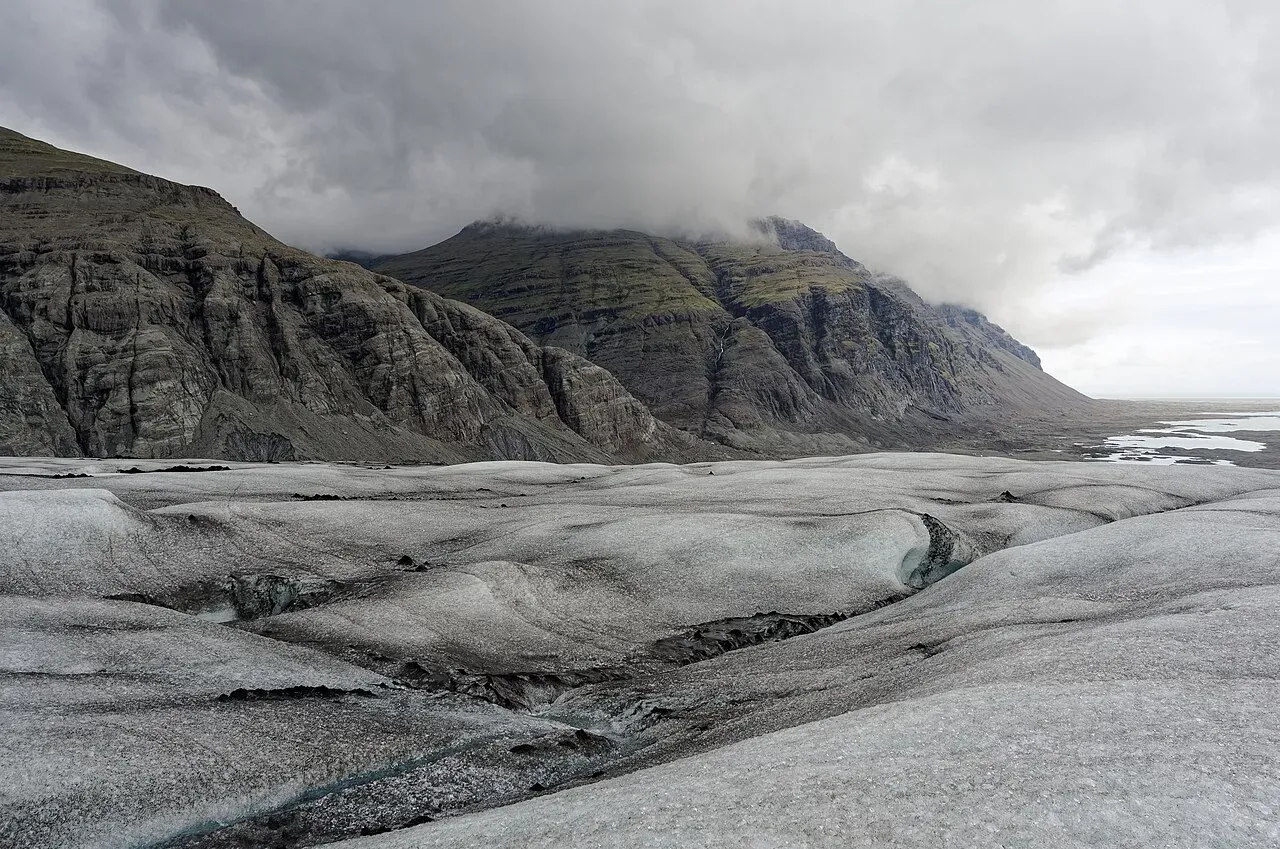
Glacier hiking is one of Iceland's most popular activities, offering visitors a chance to walk on ice that has been compressing for centuries. Outlet glaciers like Svínafellsjökull provide accessible routes onto these frozen giants. Crampons, ice axes, and expert guides transform the glacier surface into a walkable landscape of blue ice ridges, deep crevasses, and otherworldly formations.
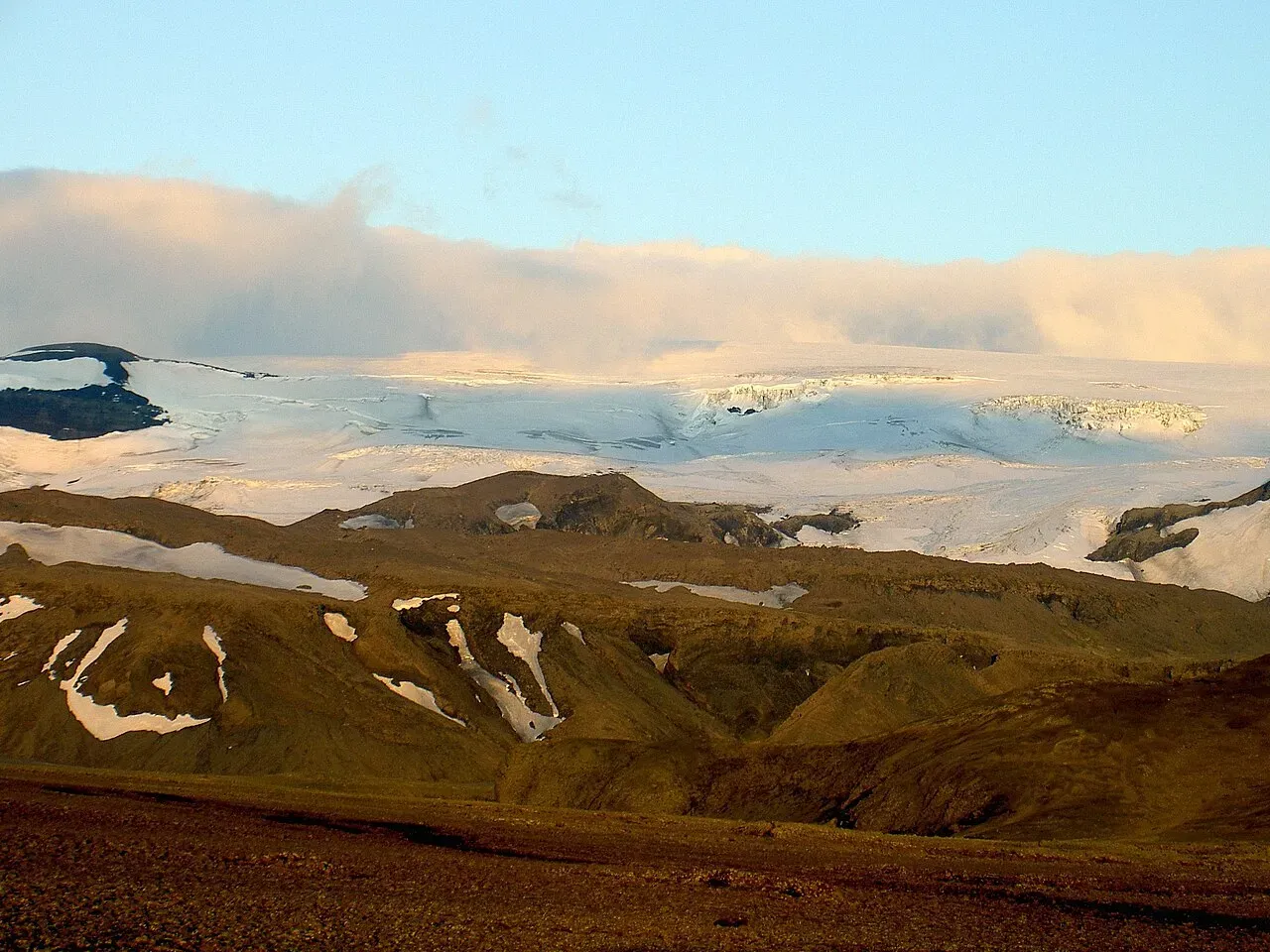
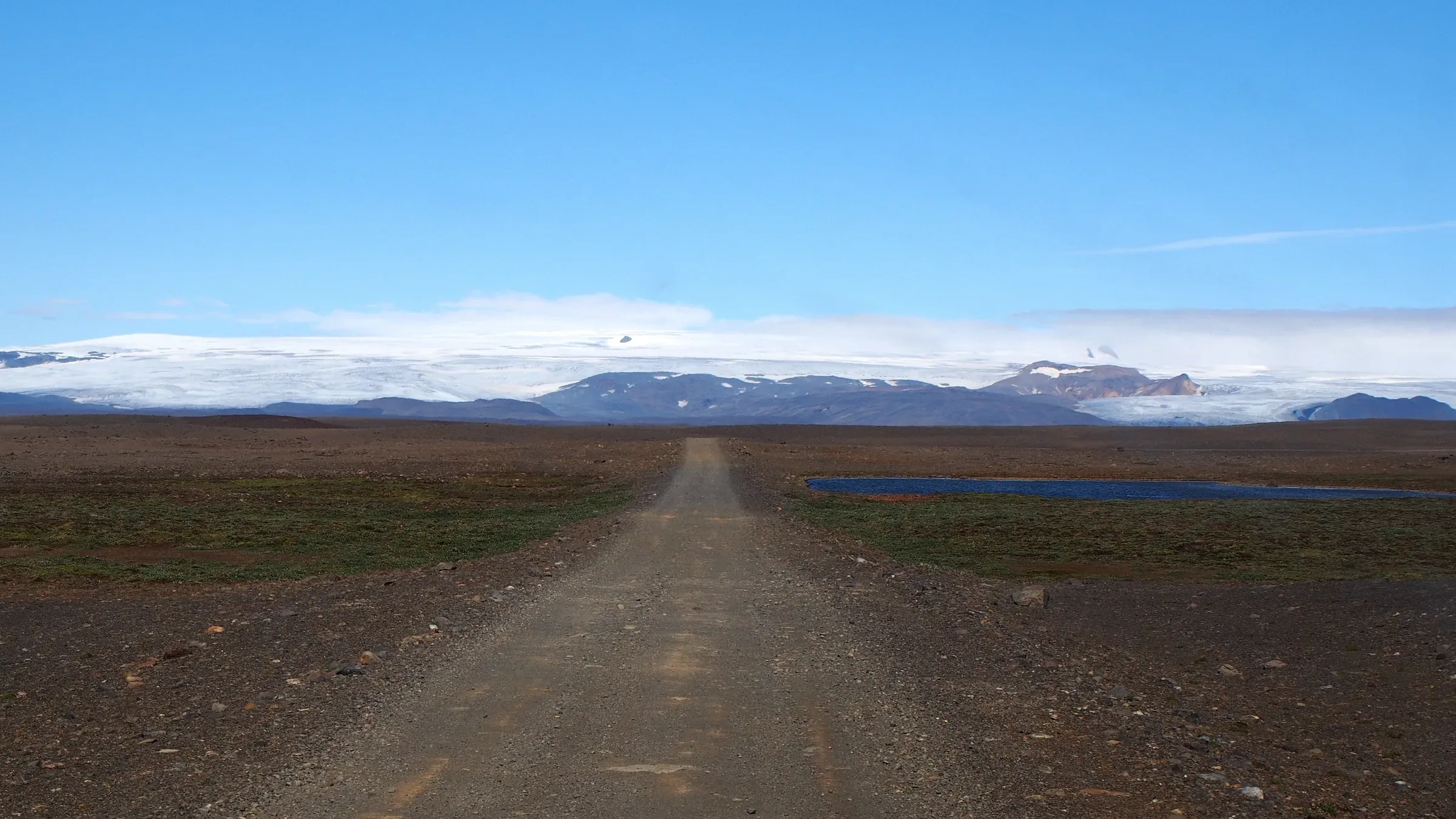
Vatnajökull is Europe's largest glacier by volume, covering about 7,500 km² (2023). Covering south and east Iceland, it rises to 2,110 metres at Hvannadalshnjúkur, Iceland's highest peak. Vatnajökull is accessible via the Jökulsárlón glacier lagoon and hosts the famous Crystal Ice Cave tours in winter.
Langjökull at 836 km² sits in the West Highlands, just two hours from Reykjavík. It's home to the world's largest man-made ice tunnel — the Into the Glacier experience — which is available year-round. Mýrdalsjökull (about 520 km²) in South Iceland covers the Katla volcano and offers year-round ice cave access via the unique Katla Ice Cave with its volcanic black ash layers.
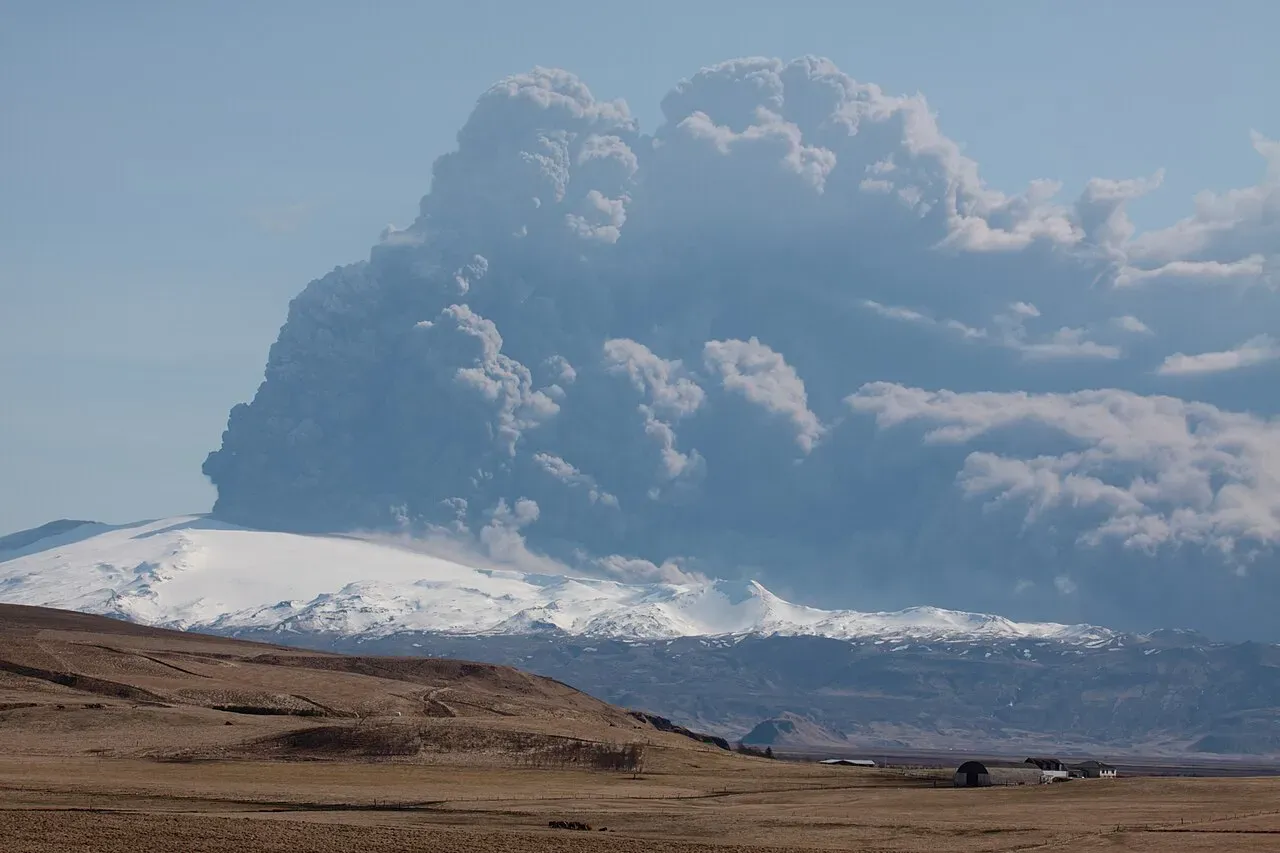
Drangajökull in the Westfjords (137 km² in 2019) is the northernmost of the large ice caps, and like the others it is retreating. Eyjafjallajökull (66 km²) became globally infamous when its 2010 eruption cancelled 100,000 flights across Europe. Snæfellsjökull (about 9 km²) on the Snæfellsnes Peninsula is the mystical gateway that Jules Verne chose as the entrance to the centre of the Earth.
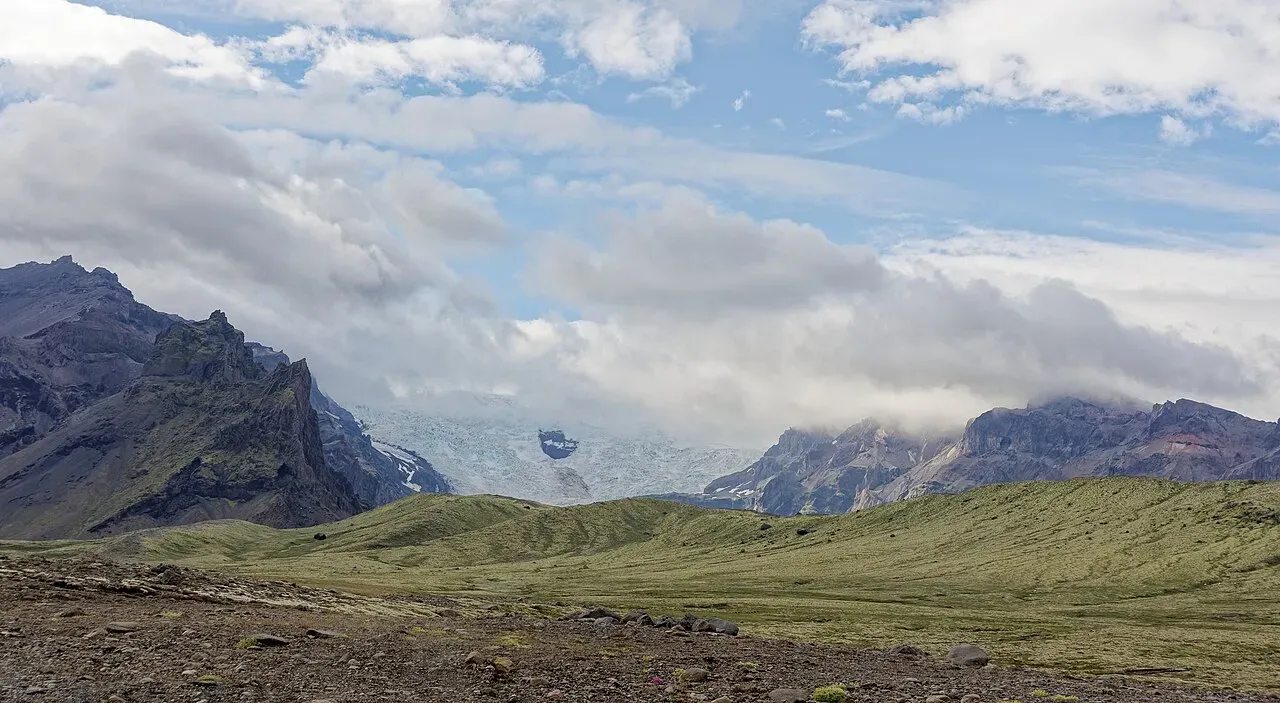
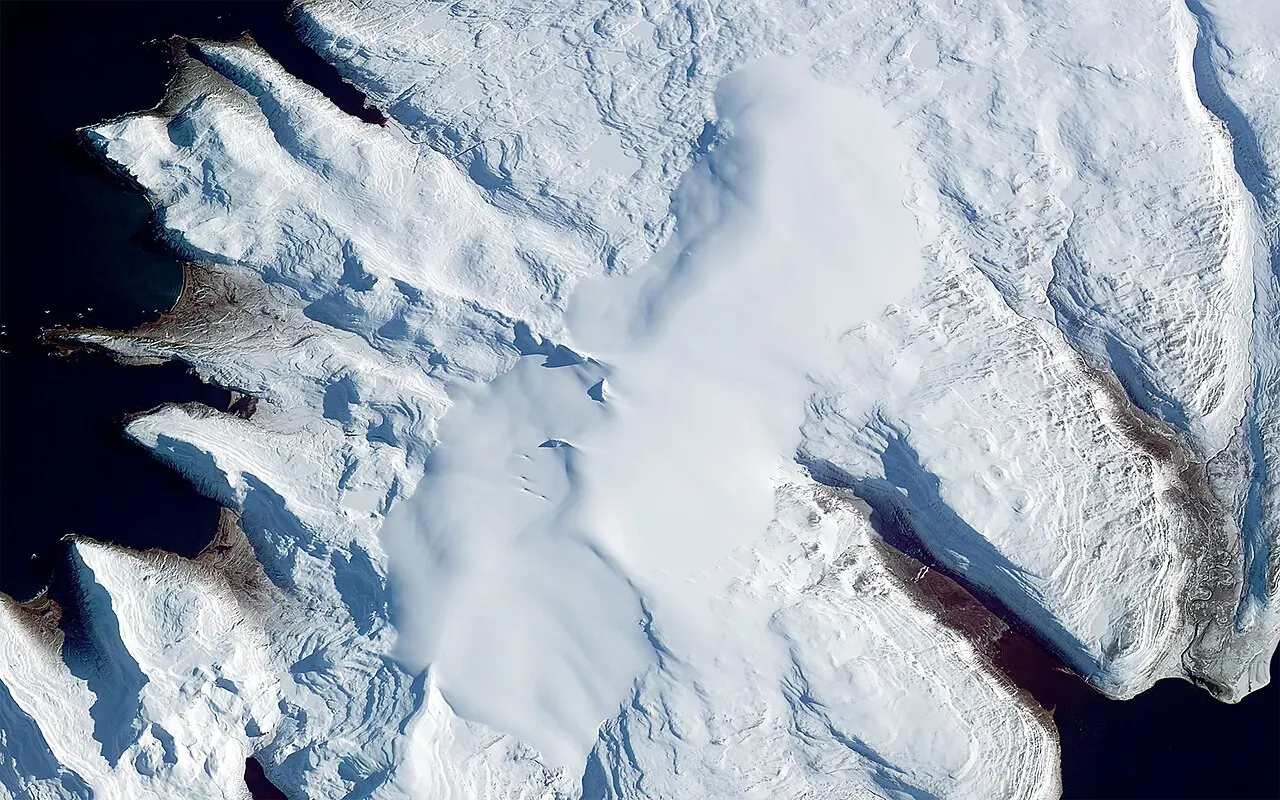
Öræfajökull
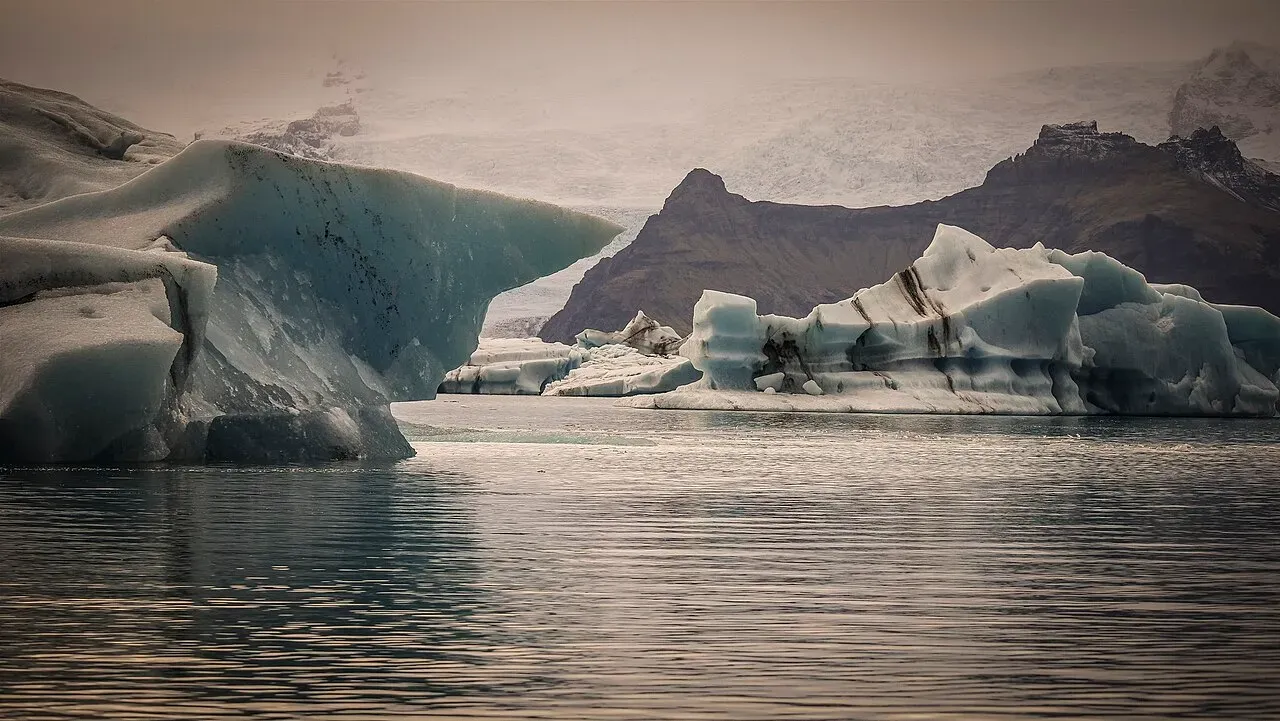
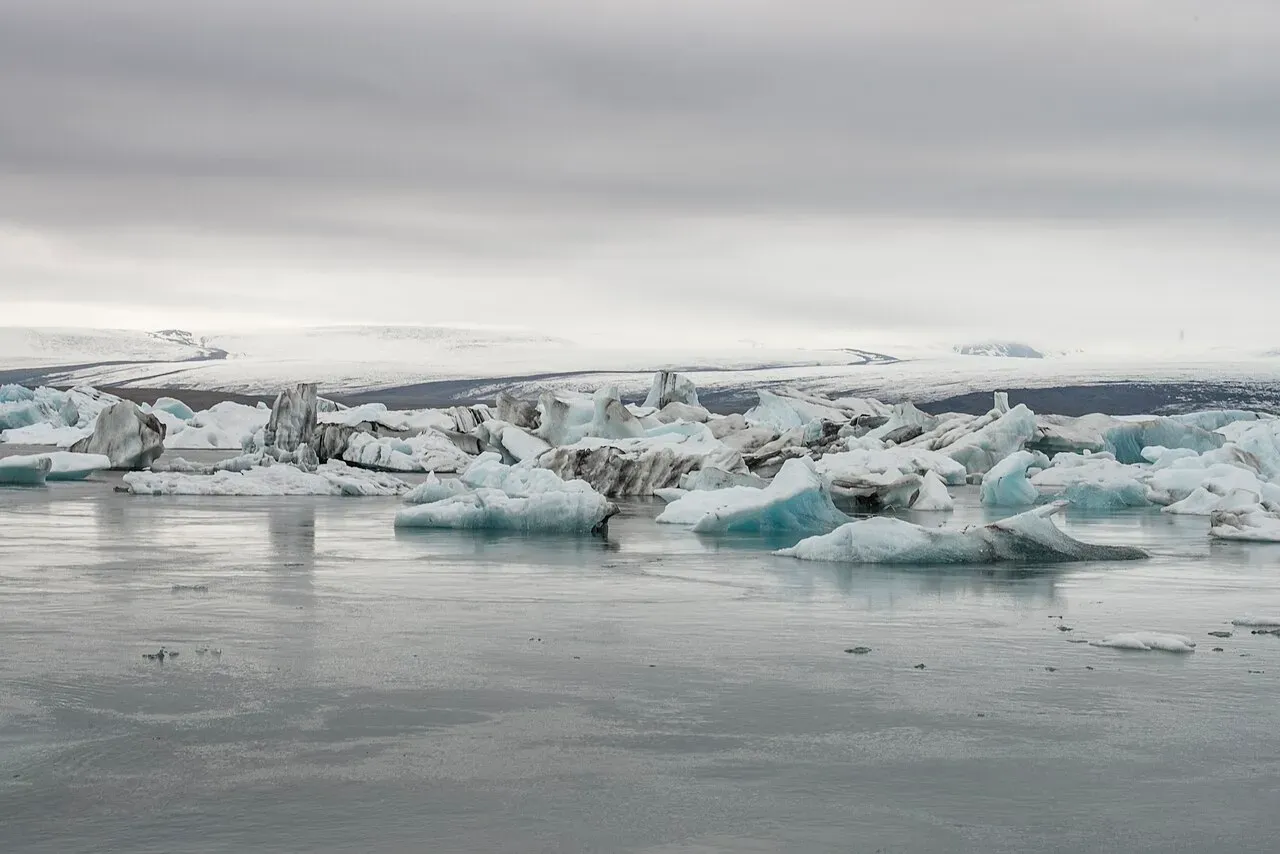
Jökulsárlón is Iceland's most famous glacier lagoon and one of the most visited natural attractions in the country. Massive icebergs break off from Breiðamerkurjökull glacier and float toward the sea, creating an ever-changing landscape of sculptured blue-white ice. The lagoon is Iceland's deepest lake at about 248 metres, formed only in the 1930s as the glacier retreated.
From May to October, amphibian and zodiac boat tours navigate among the icebergs, giving passengers eye-level views of ancient ice. Diamond Beach, just across the road where the lagoon meets the Atlantic, is strewn with ice chunks washed up on black volcanic sand — one of the most striking photographic landscapes in Iceland.
Jökulsárlón is 4.5 hours from Reykjavík via the Ring Road. The nearest town is Höfn, about an hour away. Large free parking areas are available on both sides of the Ring Road bridge. Seals regularly rest on the icebergs within the lagoon. Best light is during golden hour, morning or late evening.
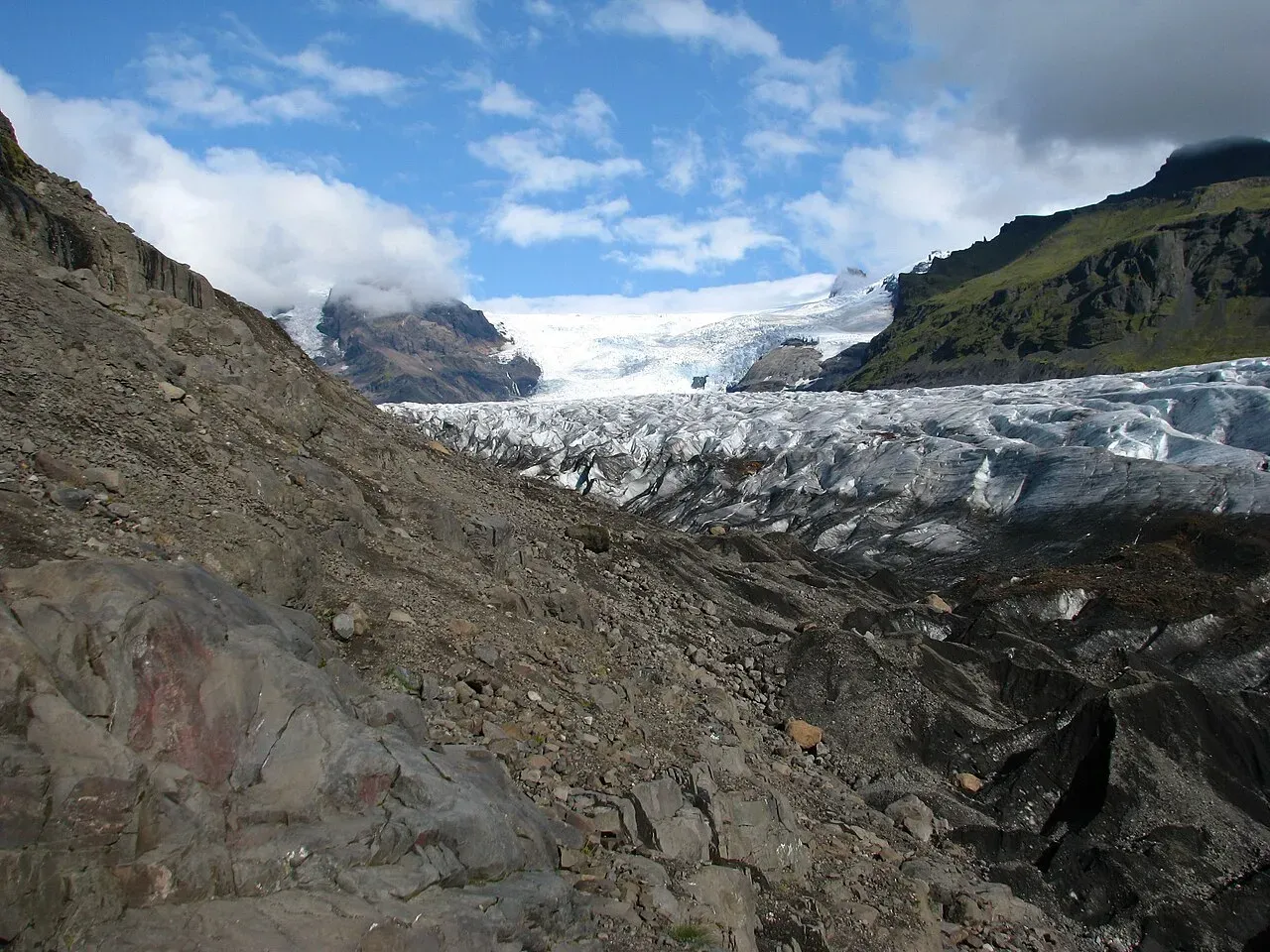
Svínafellsjökull, an outlet of Vatnajökull, is a filming location for Game of Thrones, Batman Begins, and Interstellar — its distinctive blue-grey ice ridges and crevasse patterns providing a convincingly alien landscape. Easily accessed from the Skaftafell area of Vatnajökull National Park, it offers glacier hiking and ice climbing.
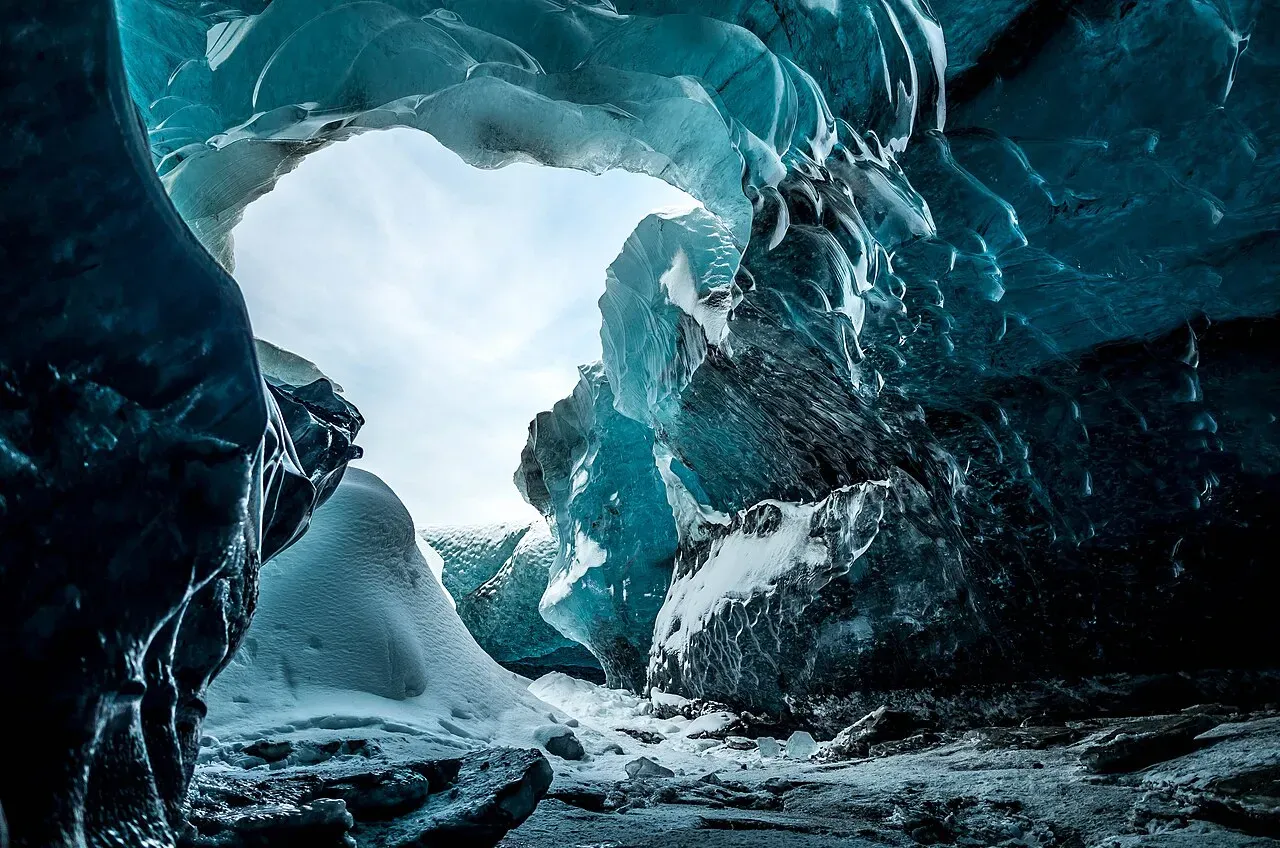
Breiðamerkurjökull is the outlet glacier that feeds Jökulsárlón. It is the source of the icebergs that make the lagoon famous, calving constantly and sending ancient ice toward the sea. Winter ice cave tours operate on Breiðamerkurjökull — the Crystal Ice Cave that forms in its depths is Iceland's most famous natural ice cave.
Sólheimajökull, an outlet of Mýrdalsjökull, is the most accessible glacier in Iceland — just two hours from Reykjavík along the Ring Road. Perfect for first-time glacier hikers, it features distinctive black volcanic ash layers from Katla eruptions interspersed with the white ice. Fjallsárlón, 30 minutes from Jökulsárlón, is a smaller, quieter lagoon with dramatic mountain reflections perfect for photography.
~7,500 km²
836 km²
810 km²
520 km²
137 km²
66 km²
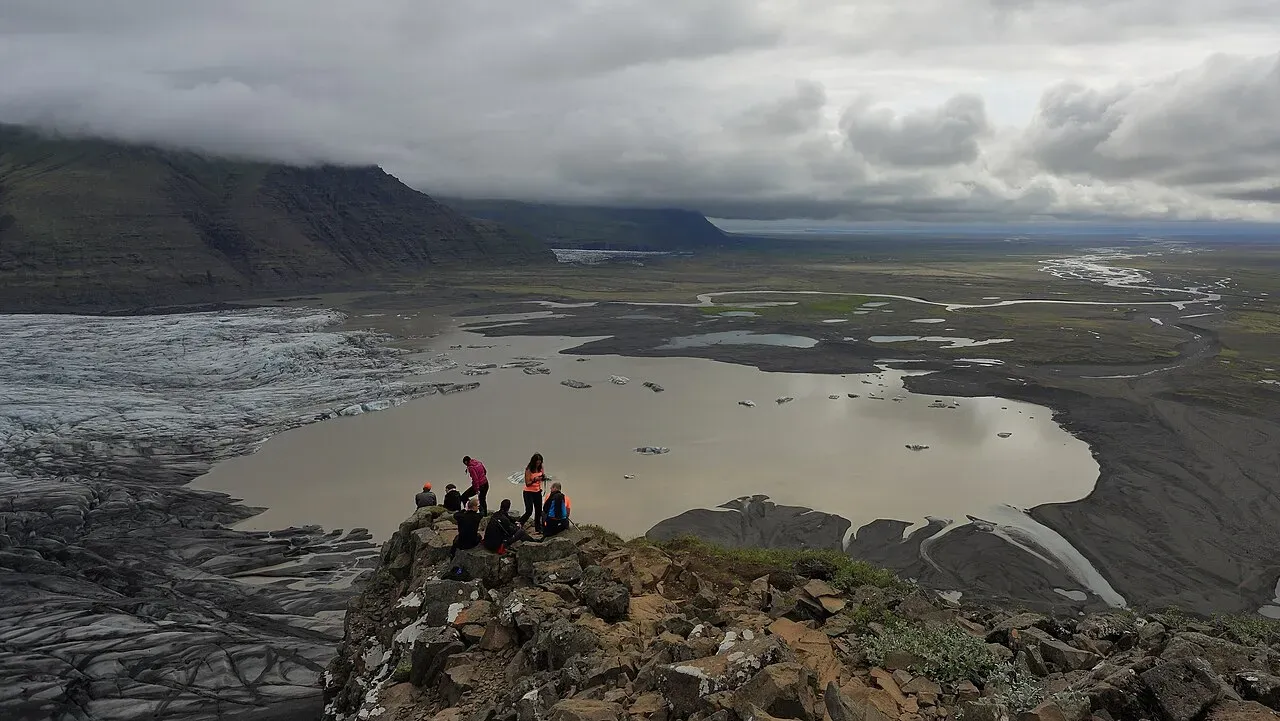
Glacier hiking requires crampons, an ice axe, a helmet, and certified guides. All major glacier tour operators provide this equipment. Difficulty ranges from easy beginner walks on Sólheimajökull to technical routes in the Vatnajökull interior. Book in advance in summer — tours fill weeks ahead. Tours typically last 2–5 hours.
Ice climbing on the glacier face is available at Sólheimajökull and Skaftafell year-round for those seeking a more technical challenge. Beginner instruction courses are available with specialist guide services. Good fitness and balance are essential.
Glacier snowmobiling runs mainly on Langjökull, where some operators run tours all year. A valid driver's licence is required. Tours have high weather-related cancellation rates — book with flexible dates. Helicopter tours provide an extraordinary aerial perspective on the glacier systems and, on good days, allow landings on the ice itself.
Iceland's glaciers are retreating rapidly. The 8.3 billion tonnes of annual ice loss since 2000 is accelerating. Langjökull may vanish entirely by 2150 at current melt rates. Okjökull, a small glacier in West Iceland, was found to be no longer a glacier in 2014, and a memorial plaque was placed there in 2019. Ice caves form and collapse more rapidly as glaciers become less stable.
Responsible glacier tourism matters. Always use certified guide companies — never attempt glacier access without proper safety equipment and expertise. Stay on marked paths to prevent erosion and protect fragile glacier edges. Pack out all waste. Choose operators with environmental certifications and small group sizes.
Iceland's tap water is among the world's purest — bring refillable bottles rather than plastic. Consider operators supporting renewable energy and conservation programmes. The Icelandic Environment Association (Landvernd.is) coordinates glacier protection efforts.
Winter (November to March) provides access to natural ice caves and magical snow-covered landscapes. Days are short — 4–6 hours of usable light — and driving conditions can be challenging. Bring 4WD or rent one, and always check umferdin.is before departing. This is also the aurora season.
Summer (June to August) offers 19 or more hours of daylight, all roads open, and full boat tour operations at Jökulsárlón. Glacier hiking is excellent, though natural ice caves are inaccessible. Crowds at popular sites can be significant — arrive early or late in the day.
For clothing: merino wool or synthetic thermal base layers, a down or fleece insulating layer, a waterproof shell jacket and waterproof trousers, sturdy hiking boots with ankle support, warm waterproof gloves, and a warm hat. Avoid cotton, jeans, and sneakers. Bring extra camera batteries — cold temperatures drain them fast.
Iceland's glaciers are losing 8.3 billion tonnes of ice per year. Langjökull may vanish by 2150. Okjökull lost its glacier status in 2014; a memorial plaque was placed in 2019. Ice caves form and collapse more rapidly as glaciers destabilise.
Visit responsibly: certified guides only, stay on marked paths, pack out all waste, choose environmentally certified operators.
F-roads and highland routes to glacier destinations can close without notice. Check road conditions before you drive.
Never explore glaciers or ice caves without certified professional guides. Crevasses and ice cave ceilings can collapse without warning. All activities are weather-dependent and may be cancelled for safety. Check safetravel.is before visiting any glacier.
Vatnajökull's outlet glaciers, such as Svínafellsjökull, and Sólheimajökull on Mýrdalsjökull are the most popular and accessible. Jökulsárlón glacier lagoon on the edge of Vatnajökull is Iceland's most spectacular glacier destination. Langjökull is the best option for the unique Into the Glacier man-made ice tunnel.
Natural ice caves are accessible only from November to March. They form when summer meltwater carves tunnels through glaciers that freeze in winter. The Crystal Ice Cave in Vatnajökull is the most famous. The Katla Ice Cave under Mýrdalsjökull and the Langjökull tunnel are available year-round. Ice caves are extremely dangerous in summer — never enter them outside the official season without a licensed guide.
Iceland has 269 named glaciers. Together they cover about 10% of the country. Vatnajökull is by far the largest, covering about 7,500 km² — about 7% of Iceland by itself.
No — you must never walk on a glacier without certified guides. Glaciers are riddled with hidden crevasses that can be deadly. Guides assess conditions daily, provide safety equipment (crampons, helmet, ice axe), and know the terrain. This is not a rule to bend.
About 4.5 hours driving via Route 1 (the Ring Road). The nearest town is Höfn, about an hour from the lagoon. Most visitors combine Jökulsárlón with the wider South Iceland and East Iceland routes.
Yes, when done correctly with certified guide companies. Never attempt glacier access independently. Conditions change rapidly — tours are cancelled for safety reasons in bad weather. Book with AIMG-certified (Association of Icelandic Mountain Guides) operators.
Diamond Beach is the black sand beach at the outlet of Jökulsárlón lagoon where icebergs wash ashore. The contrast of translucent blue-white ice chunks against black volcanic sand is extraordinary. Located right next to the Ring Road, it requires no hike to access.
Always hire a certified glacier guide. Crevasses are invisible under snow. Never walk on glaciers unguided.