Wild Hot Springs
Iceland's Hidden Natural Thermal Pools
- 100+
- Wild Springs
- Free
- Natural Access
- Adventure
- Required
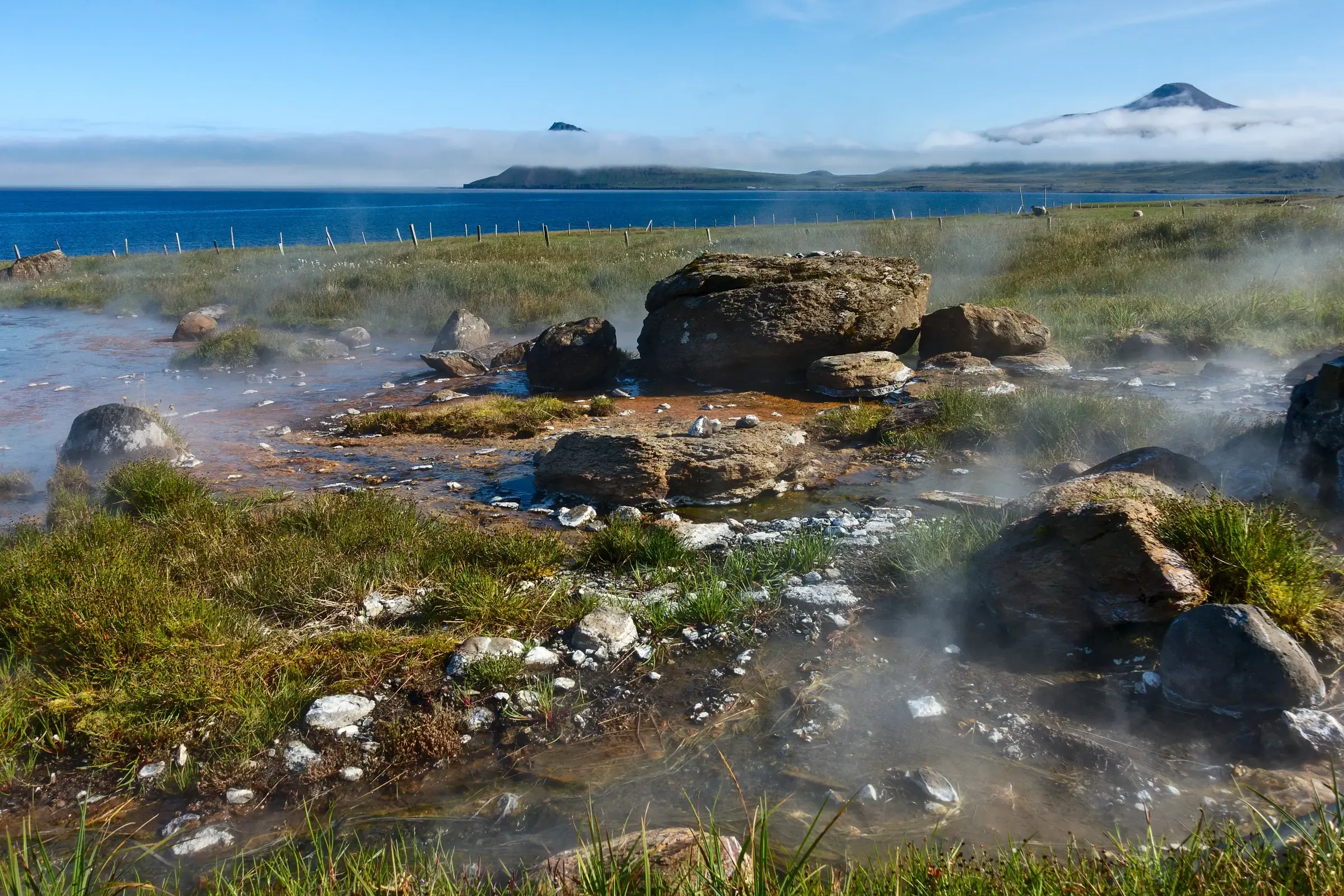
Beyond the famous spas lie dozens of pristine natural hot springs scattered across Iceland's wilderness. These hidden gems offer solitude, adventure, and a connection to the raw geothermal power that shapes the island.
Iceland's Wild Thermal Heritage
Iceland's wild hot springs represent the country's geothermal heritage in its most authentic form. From century-old concrete pools built into mountainsides to natural rock basins filled with mineral-rich water, these hidden gems reward those willing to venture off the beaten path.
Seljavallalaug is one of the oldest swimming pools in Iceland, built by volunteers in 1923 and still fed by natural hot springs flowing down from the surrounding mountains.
- Pristine natural settings with no commercialization
- Temperatures from 20–80°C across different springs
- Most require hiking or 4WD vehicles to access
- Weather-dependent accessibility
- Many are on private land or protected areas
Highland Thermal Areas
The Central Highlands contain some of Iceland's most remote and spectacular wild hot springs, accessible only during summer months.
- Landmannalaugar region: Colorful rhyolite mountains, F-roads summer only, temperatures 40–80°C
- Kerlingarfjöll area: F347 mountain road, remote valleys, mountain huts available, June–September
- Askja region: Extreme isolation, challenging F-roads, multi-day expeditions required
- Strútslaug: Highland spring, 4WD + 1.5-hour hike, complete wilderness, free
Accessible Wild Springs
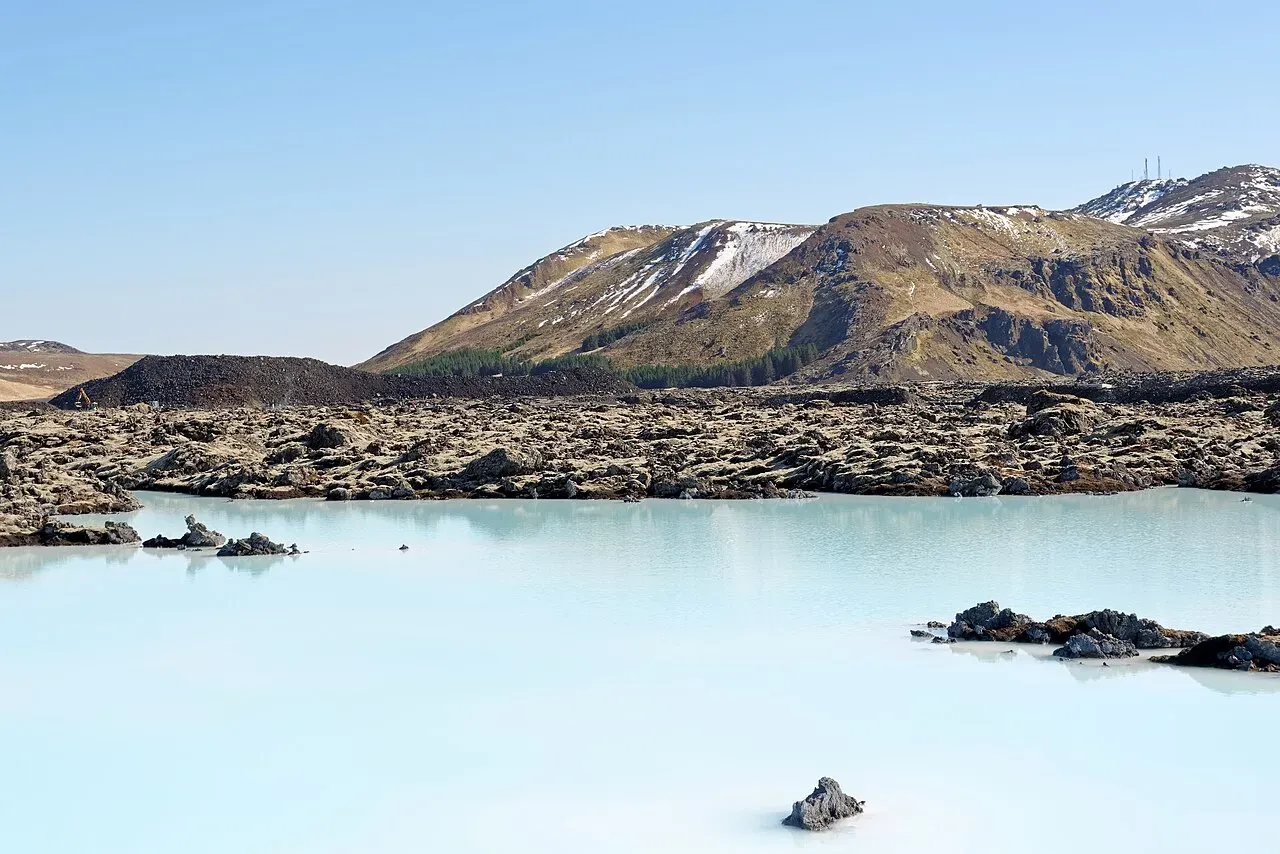
Several wild springs offer memorable experiences without extreme remoteness.
- Seljavallalaug: 15-minute hike from Ring Road, built 1923, waterfall views, 20–25°C
- Grettislaug: North Iceland, two pools connected to saga hero Grettir, 39–42°C, fjord views
- Hrunalaug: Golden Circle route, roadside access, small intimate pool, 38–40°C
- Laugarvallalaug: 45-minute hike, South Iceland valley, 37–40°C, pristine and undeveloped
- Gamla Laugin: Near Flúðir, ancient bathing site, short walk from road, local gathering place
- Hellulaug: Westfjords, ocean cliff pool, capacity 2–3 people, stunning sunset views
Safety & Responsible Visiting
Wild hot springs are a precious and fragile resource. Many have been damaged or closed to the public due to irresponsible behavior. By following these guidelines, you help ensure these natural treasures remain accessible for future generations.
- Test temperatures: Some springs are scalding hot (80°C+)
- Never go alone: Remote locations require companions
- Emergency communications: Carry a satellite device or ensure phone coverage
- 4x4 vehicle required for F-roads
- Leave No Trace: Pack out all trash, no soap or shampoo in springs
- Research access rights before visiting — many are on private land
- Register travel plans at Safetravel.is for highland trips
- Share exact locations of fragile springs responsibly
Questions people ask
Are wild hot springs in Iceland safe?
Wild hot springs vary in safety. Some have stable, comfortable temperatures while others can be scalding hot or have unstable ground. Always test water temperature before entering, never go alone, be cautious of unmarked geothermal areas, and respect private land. Stick to well-known springs or go with a local guide.
What are the best wild hot springs in Iceland?
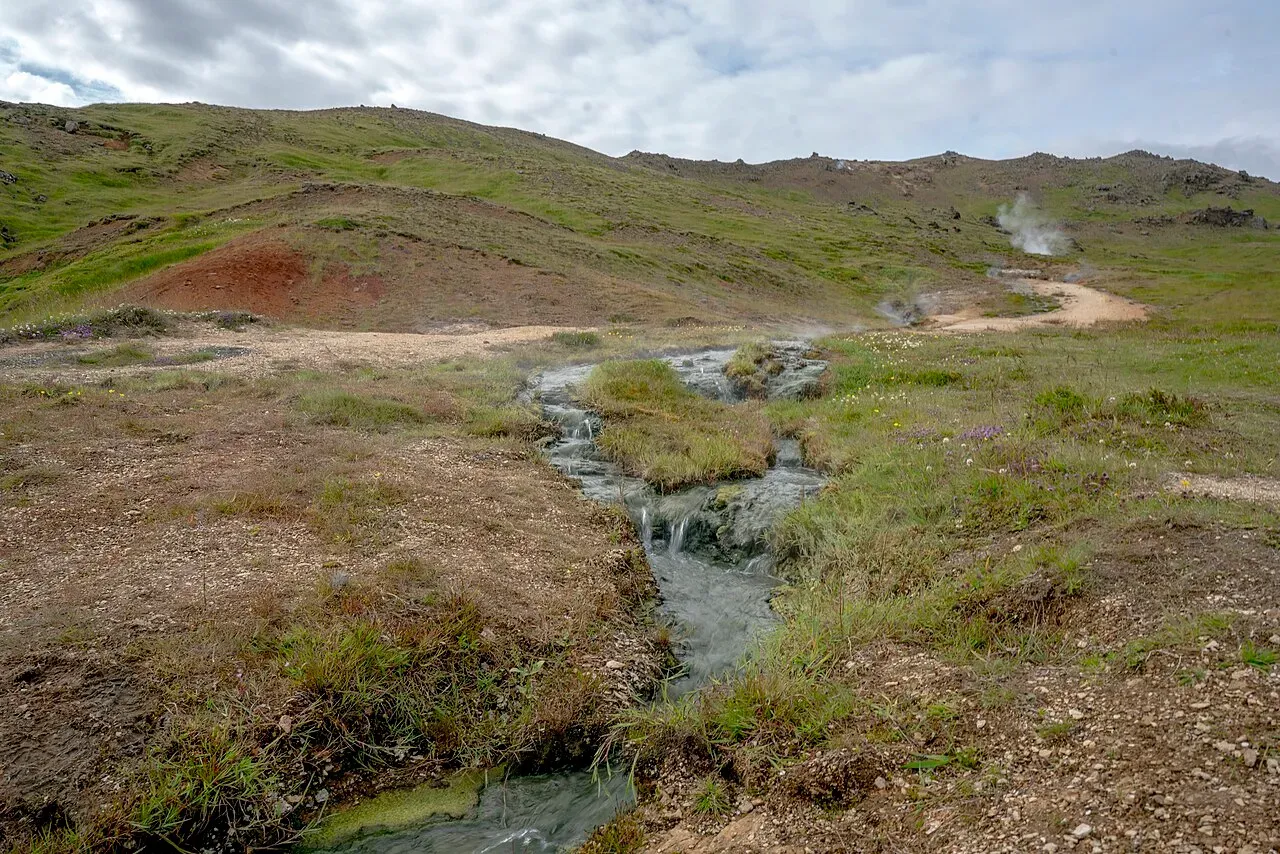
Popular wild hot springs include Reykjadalur hot river (South Iceland), Seljavallalaug pool (South Iceland), Hellulaug (Westfjords), Landbrotalaug (Snæfellsnes), and Hrunalaug (near Flúðir). Each offers a unique natural bathing experience in stunning surroundings.
Do you need to pay for wild hot springs?
Most wild hot springs in Iceland are free, though some on private land may request a small donation. Reykjadalur has a parking fee. Always leave no trace — pack out all waste, don't use soap, and respect the natural environment.