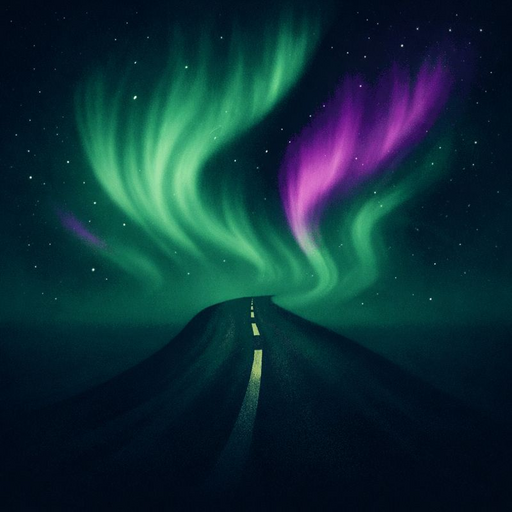
Camera settings, composition techniques, and professional tips for capturing stunning Aurora Borealis photos
📷
ISO
1600-6400 Start with 3200
🔍
Aperture
f/1.4 - f/2.8 Widest possible
⏱️
Shutter Speed
8-25 seconds 15s starting point
🎯
Focus
Manual ∞ Infinity focus
Last updated: February 2026
📷 Essential Camera Settings
Aurora photography requires specific camera settings to capture the fast-moving, low-light phenomenon. Here's your complete technical guide.
Core Camera Settings
ISO Settings
ISO 1600: Minimal noise, requires very bright Aurora
ISO 3200: Good balance of light and noise (recommended starting point)
ISO 6400: For faint Aurora, acceptable noise on modern cameras
ISO 8000+: Emergency setting for very faint Aurora
Aperture Selection
f/1.4: Maximum light gathering, some lens softness
f/2.0: Excellent compromise of light and sharpness
f/2.8: Sharp across frame, requires higher ISO or longer exposure
f/4.0+: Avoid unless Aurora is extremely bright
⚠️ The 500 Rule for Star Points
Maximum Shutter Speed = 500 ÷ Focal Length
14mm lens: 500 ÷ 14 = 35 seconds maximum
24mm lens: 500 ÷ 24 = 20 seconds maximum
50mm lens: 500 ÷ 50 = 10 seconds maximum
Exceed these times and stars will show motion blur (star trails).
Capturing the Perfect Shot
Aurora photography rewards patience and preparation. The best images combine technical precision with creative composition, using Iceland's dramatic landscapes as foreground elements.
A sturdy tripod, wide-angle lens, and manual camera settings are the foundation. From there, experimentation with exposure times and ISO values will help you find the sweet spot for each unique display.
🎯 Advanced Photography Techniques
Focus Techniques for Night Photography
Achieving Perfect Focus
Hyperfocal Distance: Set focus to hyperfocal for sharp foreground and stars
Live View Zoom: Use 10x zoom on bright star to achieve perfect focus
Focus Stacking: Take multiple shots at different focus points, blend in post
Infinity Focus: Most lenses' infinity mark is slightly off - test beforehand
🖼️ Composition Strategies
Great Aurora photos combine spectacular lights with compelling foreground elements. Iceland offers endless creative possibilities.
Waterfalls: Flowing water adds movement to static scenes
Rock formations: Basalt columns and volcanic formations
Human-Made Elements
Lighthouses: Reykjanesviti provides leading lines
Churches: Hallgrímskirkja visible from nearby areas
Bridges: Bridge Between Continents frames Aurora
Roads: Leading lines into Aurora displays
A vivid aurora display reflected in fjord waters -- the kind of scene that rewards photographers who venture to dark-sky locations with the right equipment.
⚙️ Essential Equipment
Camera Gear Recommendations
Camera Bodies
Full-frame sensors: Better low-light performance
High ISO capability: Clean images at ISO 3200-6400
Good dynamic range: Capture detail in highlights and shadows
Weather sealing: Essential for Iceland's harsh conditions
Lens Selection
14-24mm f/2.8: Wide-angle zoom, excellent for Aurora
20mm f/1.8: Fast prime, great low-light performance
14mm f/1.8: Ultra-wide, captures maximum sky
24-70mm f/2.8: Versatile zoom for varied compositions
🎒 Essential Accessories
Sturdy tripod: Carbon fiber preferred for weight and stability
Remote shutter release: Minimize camera shake
Extra batteries: Cold drains batteries rapidly
Lens heater/dew shield: Prevent condensation
Red headlamp: Preserve night vision
Memory cards: High-capacity, fast write speeds
⏰ Time-lapse and Video Techniques
Aurora Time-lapse Settings
Interval Settings
4-8 second intervals: Smooth Aurora movement
2-4 second intervals: Fast-moving Aurora
10-15 second intervals: Slow Aurora with star movement
Technical Considerations
Battery life: Use external battery packs for long sequences
Storage: High-capacity cards essential
Stability: Weight down tripod in wind
Consistent exposure: Manual settings throughout sequence
🎨 Post-Processing Aurora Photos
RAW Processing Workflow
Shooting in RAW format is essential for Aurora photography. The extreme dynamic range requires careful post-processing to bring out the best in your images.
Basic Adjustments
Highlight recovery: Pull down blown-out Aurora areas
Shadow lifting: Reveal foreground detail without noise
Vibrance over saturation: Enhance colors naturally
Noise reduction: Balance detail retention with noise control
Lens corrections: Remove vignetting and distortion
Advanced Techniques
Focus stacking: Combine sharp foreground with sharp Aurora
Exposure blending: Combine multiple exposures for optimal dynamic range
Star enhancement: Selective adjustments to make stars pop
Aurora color grading: Enhance natural colors without over-processing
❄️ Cold Weather Photography Tips
Protecting Your Gear
Condensation prevention: Seal camera in bag before warming
Battery management: Keep spare batteries warm in inner pockets
LCD protection: Some cameras' screens slow in extreme cold
Tripod legs: Metal tripods become extremely cold - wear gloves
Memory card backup: Cards can fail in extreme temperatures
Aurora Photography Inspiration
Church Silhouette CompositionUsing architectural elements as foreground creates compelling compositions with strong leading lines
Fjord ReflectionsStill water doubles the aurora display -- seek sheltered fjords and lakes for mirror-like reflections
Wide-Angle Aurora CaptureA wide-angle lens at f/2.8 or faster captures the full extent of aurora curtains across the sky