Iceland in September - Aurora Returns, Fall Colors & Fewer Crowds
Local guide to why September is many Icelanders' favorite month -- the perfect balance of light, color, and aurora
5-10°C (41-50°F)
Cool and crisp
12-16 hours
Dark enough for aurora
Low to moderate
Dramatic drop from summer
Shoulder season
30-40% less than July
🌤️ Weather & Daylight in September
The Locals' Favorite Month
Ask Icelanders their favorite month and many will say September. The summer crowds vanish, the landscape erupts in autumn color, the northern lights return, and the air has a crisp clarity that makes everything look sharper. September is the transition from summer to autumn, and it captures the best qualities of both.
Temperature and Conditions
September temperatures range from 5 to 10 degrees Celsius (41 to 50 degrees Fahrenheit), noticeably cooler than summer but well above winter levels. Early September can feel like a continuation of late summer, with occasional warm days reaching 12-14 degrees Celsius. By late September, temperatures drop toward freezing at night, particularly in north Iceland and at higher elevations. The first frost is common in the Highlands and interior valleys by mid-September, and light snow can dust mountain peaks.
Weather becomes more volatile in September. Wind strengthens, rain is more frequent, and the first real autumn storms can arrive from the North Atlantic. But clear days in September are among the most beautiful in Iceland -- the low-angle sunlight creates a golden quality that photographers prize, and the air is often exceptionally clear after storms pass. Daylight decreases from about 16 hours at the start of September to around 12 hours by month's end, with the autumn equinox around September 22 bringing roughly equal day and night. This return of darkness is what makes the northern lights possible again.
🎯 Top Things to Do in Iceland in September
🌌 Northern Lights Hunting
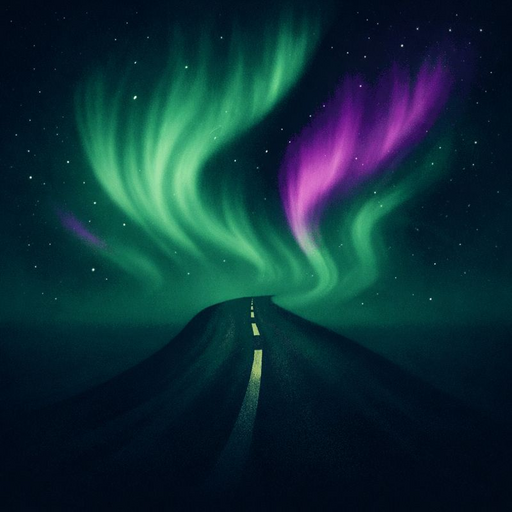
September marks the triumphant return of the northern lights to Icelandic skies. By mid-September, nights are dark enough from roughly 10pm to 4am for reliable aurora viewing. Early September sightings are possible but inconsistent, as the twilight still lingers. The aurora's appearance depends on two factors: darkness and clear skies. Head away from Reykjavik's light pollution -- the Snaefellsnes Peninsula, Thingvellir National Park, the north coast near Akureyri, and rural south Iceland are all excellent viewing locations. Check the aurora forecast at vedur.is and the cloud cover map to find clear patches. September's aurora displays can be spectacular, with vivid green curtains, purple edges, and occasionally rare red aurora during strong solar storms. The SkyRoad app provides real-time aurora alerts and forecasts.
🍂 Fall Colors
September transforms Iceland's landscape into a patchwork of autumn color that rivals any temperate forest. The colors are different from North American or European fall foliage -- instead of tall deciduous trees, Iceland's autumn palette comes from ground-level vegetation. Blueberry bushes turn deep red and crimson, dwarf birch shifts to gold and orange, Arctic grasses fade to warm straw yellow, and the moss-covered lava fields take on russet and bronze tones. The contrast between these warm autumn colors and the dark volcanic rock is extraordinary. The best areas for fall colors include Thingvellir National Park, the Thorsmork valley, the Highland edges around Landmannalaugar, and the birch forests of Hallormsstadaskogur in east Iceland. The Myvatn area in the north is particularly stunning, with the autumn tones reflected in the lake's still waters.
🐑 Rettir -- The Sheep Roundup
Rettir is one of Iceland's most distinctive and authentic cultural traditions. Throughout the summer, Iceland's roughly 800,000 sheep roam freely in the Highlands, grazing on wild grasses and herbs. In September, farmers ride on horseback into the mountains to gather the flocks and drive them back to lowland farms before winter arrives. The gathered sheep are sorted in communal pens called rettir, where each farmer identifies and collects their own animals. The event is part practical agriculture, part community celebration -- there is singing, food, and a festive atmosphere. Rettir takes place across rural Iceland throughout September, with dates varying by region. Visitors are often welcome to watch, and some farms allow participation. Check local tourist offices for dates and locations near your route.
📸 Photography Paradise
September is widely considered the best month for landscape photography in Iceland. The combination of autumn colors, dramatic storm light, the return of aurora, and manageable daylight hours creates conditions that professional photographers travel from around the world to capture. The sun's low angle produces soft, golden light that lasts for hours during morning and evening -- unlike summer's harsh overhead sun or winter's extreme brevity. Sunrise and sunset are at workable hours (roughly 7am and 7:30pm by late September), so you do not need to wake at 3am for golden hour. Key photography locations include Kirkjufell and Kirkjufellsfoss on Snaefellsnes, the Vestrahorn mountain at Stokksnes, Jokulsarlon glacier lagoon at sunrise, Skogafoss and Seljalandsfoss with autumn foregrounds, and the Myvatn pseudocraters reflected in still water.
🚗 Ring Road Without the Crowds
The Ring Road is still fully drivable in September, and the experience is transformed by the absence of summer crowds. Popular stops like Seljalandsfoss, Skogafoss, Reynisfjara, and Jokulsarlon that are packed with tour buses in July can be enjoyed in relative peace in September. The Eastfjords and north Iceland, already quieter in summer, become genuinely serene. Driving conditions are good on Route 1, though weather is more variable -- be prepared for wind, rain, and occasional slippery sections. Daylight is sufficient for comfortable daily driving distances. Allow 7-10 days for a full Ring Road circuit, and check road.is daily for conditions. Rental car prices drop significantly from summer peaks, making September an excellent value for a road trip.
♨️ Geothermal Bathing in Autumn Air
There is something magical about soaking in a hot spring on a crisp September evening with the northern lights overhead. The Blue Lagoon and Myvatn Nature Baths are less crowded than in summer and arguably more atmospheric in autumn's cooler air. Wild hot springs like the Reykjadalur hot river, Hrunalaug, and Seljavallalaug are still accessible, though shorter daylight means planning your visit carefully. Iceland's municipal swimming pools are a perfect end to a September day -- soak in an outdoor hot tub while steam rises into the darkening sky. The contrast between the warm water and the cool autumn air is unforgettable.
🐋 Late-Season Whale Watching
Whale watching tours continue running from Husavik, Akureyri, and Reykjavik throughout September, with sighting rates still above 80-90 percent in early September. Humpback whales, minke whales, and dolphins are regularly spotted. As the month progresses, some species begin their southern migration, and tours may run on reduced schedules. Husavik remains the best departure point for whale watching in September, though tours from Reykjavik and Olafsvik are also available. The calmer seas of early autumn can provide excellent viewing conditions, and the reduced number of boats means a more peaceful experience on the water.
💡 Practical Tips for September
💰 Costs and Booking
September is shoulder season, and savings are substantial. Rental cars drop to roughly 8,000-15,000 ISK per day (58-108 USD), compared to 15,000-25,000 ISK in July. Hotels in Reykjavik are 18,000-32,000 ISK per night (130-230 USD), and countryside guesthouses are 15,000-25,000 ISK. Flights are typically 30-40 percent cheaper than July. Campgrounds remain open through mid-September at 1,500-2,500 ISK per person per night. Booking 2-3 months ahead is usually sufficient. The overall cost savings compared to July can reach 30-40 percent, making September one of the best value-for-experience months.
🚗 Driving, F-Roads, and Crowds
The Ring Road (Route 1) is fully drivable in September. Weather is more variable than summer -- be prepared for wind, rain, and occasional frost, particularly in north Iceland. A 2WD car is sufficient for the Ring Road, but a 4WD provides extra confidence for gravel roads. Highland F-roads begin closing -- major routes like F35 (Kjolur) and F208 (Landmannalaugar) often stay open into mid or late September, while higher routes like F88 (Askja) close earlier. Always check road.is and our driving guide.
Tourist numbers drop dramatically in September. By mid-month, the Golden Circle, south coast waterfalls, and Jokulsarlon feel spacious compared to summer. Some rural guesthouses and restaurants close for winter in late September, so check availability in remote areas. The atmosphere shifts to something quieter and more contemplative -- a big part of September's appeal.
📋 Sample 5-Day September Itinerary
Day-by-Day Plan
Day 1: Reykjavik and Snaefellsnes. Pick up rental car and drive to the Snaefellsnes Peninsula. Visit Kirkjufell, Arnarstapi, Djupalonssandur, and Budir. Stay on Snaefellsnes and aurora-hunt from a dark location after 10pm.
Day 2: Golden Circle and Thingvellir. Drive the Golden Circle -- Thingvellir National Park (stunning autumn birch colors), Geysir, Gullfoss. Hike in Thingvellir to see the fall foliage in the rift valley. Stay near the Golden Circle or Selfoss. Check for aurora before bed.
Day 3: South Coast. Drive the south coast. Stop at Seljalandsfoss, Skogafoss, Reynisfjara. The waterfalls are framed by autumn-colored hillsides. Continue to Vik or Kirkjubaejarklaustur. On clear nights, the south coast away from towns is excellent for aurora.
Day 4: Glaciers and Jokulsarlon. Visit Skaftafell for a glacier walk on Svinafellsjokull (still running in September). Continue to Jokulsarlon glacier lagoon and Diamond Beach -- the icebergs catch extraordinary autumn light at sunrise or sunset. If F-roads are still open, consider a Landmannalaugar detour. Stay near Vik.
Day 5: Return via Highlands or Coast. If Highland roads are open, drive through Landmannalaugar for rhyolite mountains in autumn color. Otherwise, take the coastal route back to Reykjavik with stops at any sites you missed. Soak in the Blue Lagoon or Secret Lagoon on the way back. Final aurora hunt from Reykjavik's Grotta lighthouse.
✅ Pros and Cons of Visiting in September
Advantages
- Northern lights return -- aurora visible from mid-September onward
- Stunning fall colors -- blueberry reds, birch golds, and mossy bronzes
- Dramatic drop in crowds -- popular sites feel spacious and calm
- Shoulder-season prices -- 30-40% cheaper than July
- Photography paradise -- golden light, aurora, colors, and dramatic skies
- Rettir sheep roundup -- a unique, authentic Icelandic cultural experience
- Comfortable daylight -- 12-16 hours is ideal for sightseeing and sleep
Disadvantages
- Highland F-roads closing -- access to the interior decreases through the month
- More unpredictable weather -- stronger winds, more rain, occasional frost
- Cooler temperatures -- 5-10 degrees Celsius requires warmer clothing
- Some seasonal closures -- rural guesthouses and restaurants may shut down
- No puffins -- the last birds depart in early September
- Shorter days than summer -- less time for distant day trips
❓ Frequently Asked Questions
Can you see the northern lights in Iceland in September?
Yes. September marks the return of the aurora season. By mid-September, nights are reliably dark enough for northern lights viewing from roughly 10pm to 3-4am. Early September sightings are possible but less consistent because twilight still lingers. For the best chances, head away from Reykjavik's light pollution -- the Snaefellsnes Peninsula, Thingvellir, and rural north Iceland are excellent viewing locations. Monitor the aurora forecast at vedur.is and the cloud cover map to find clear skies. During active solar periods, September aurora can be vivid and dramatic. Use the SkyRoad app for real-time aurora forecasts and cloud cover maps.
Is September a good time to visit Iceland?
September is one of the best months to visit Iceland, and many experienced travelers and locals consider it the ideal time. The combination of returning northern lights, spectacular autumn colors, dramatically fewer crowds, shoulder-season prices (30-40 percent less than July), and comfortable daylight hours (12-16 hours) creates an exceptional travel experience. The Ring Road is fully drivable, most attractions remain open, and the atmosphere is more peaceful and authentic than peak summer. The trade-offs -- cooler weather, closing F-roads, and fewer daylight hours -- are modest compared to the advantages.
Are Highland F-roads open in September?
Some Highland F-roads remain open in September, but availability decreases as the month progresses. Major routes like F35 (Kjolur) and F208 (to Landmannalaugar) often stay open into mid or late September. Higher routes like F88 (to Askja) and F910 typically close in early to mid-September. Closure dates vary year to year based on snowfall and conditions -- some years roads close in early September, others stay open into October. Always check road.is before attempting any F-road. If Highland access is your priority, visit in the first two weeks of September for the best odds. Have a backup plan in case closures come earlier than expected.
What is Rettir, the Icelandic sheep roundup?
Rettir is the traditional autumn sheep roundup, one of Iceland's oldest and most beloved agricultural traditions. Throughout summer, Iceland's roughly 800,000 sheep roam freely across the Highland interior, grazing on wild grasses without fences. In September, before winter weather arrives, farming communities organize horseback rides into the mountains to gather the scattered flocks. The sheep are driven down to communal sorting pens (also called rettir), where farmers identify their animals by ear marks and separate them. The event is a mixture of hard work and celebration, with communal feasting and singing afterward. Dates vary by region throughout September. Some farms welcome visitors -- check local tourist information offices or the Inspired by Iceland website for schedules. Watching the rettir is one of the most authentic ways to experience Icelandic culture.