🌤️ Weather & Daylight in August
The Sweet Spot of Icelandic Summer
August offers nearly the same warmth and access as July but with a crucial difference -- crowds begin thinning after mid-month as European school holidays end. Smart travelers target the second half of August for the best balance of summer conditions and manageable visitor numbers.
Temperature and Conditions
August temperatures range from 8 to 13 degrees Celsius (46 to 55 degrees Fahrenheit), slightly cooler than July but still comfortably warm by Icelandic standards. The warmest days can reach 15-18 degrees Celsius in sheltered areas, particularly in north Iceland's inland valleys. Rain becomes more frequent as the month progresses, and wind begins to pick up toward the end of August. Fog can be common along the south and east coasts. Despite the cooling trend, August remains firmly a summer month -- snow is very rare in lowland areas, and outdoor conditions are excellent for hiking, camping, and sightseeing.
The most noticeable change from July is the daylight. August starts with about 19 hours of functional light, but this drops to around 16 hours by month's end. By late August, genuine twilight returns and the sky darkens enough around midnight that you can see the first stars -- and potentially the first faint aurora of the season. This transition from endless light to emerging darkness gives August a unique character that many visitors find more comfortable than July's round-the-clock brightness.
🎯 Top Things to Do in Iceland in August
🎪 Thjodhatid Festival -- Westman Islands
The Thjodhatid (National Day) festival on the Westman Islands is one of Iceland's most iconic cultural events, held on the first weekend of August. Around 15,000 people -- a significant portion of Iceland's population -- descend on the tiny volcanic archipelago for a weekend of live music, massive bonfires, fireworks, and communal celebration. The festival takes place in Herjolfsdalur valley, a natural amphitheater formed by ancient volcanic walls. It is a uniquely Icelandic experience -- part music festival, part national reunion, part camping adventure. Book ferry tickets and campsite access well in advance, as the event sells out. The festival runs from Thursday to Sunday and is an unforgettable way to experience Icelandic culture.
🫐 Berry Foraging
August is berry season in Iceland, and foraging is a beloved national tradition. Wild blueberries (adalblaaber) ripen across the highlands and heathlands, offering sweet, intensely flavored berries far smaller and tastier than cultivated varieties. Crowberries (kraekilyng) -- small, dark, slightly tart berries -- carpet the lava fields and moorlands. Bilberries appear at lower elevations. Icelanders head to the hills with buckets and spend entire days gathering berries for jams, pies, and eating fresh. The best foraging areas include the Highlands around Landmannalaugar, the heathlands near Akureyri, and the lava fields of the Reykjanes Peninsula. No permits are needed -- Iceland's right-to-roam laws allow berry picking on all uncultivated land.
🐋 Whale Watching
August is still excellent for whale watching, with sighting rates remaining above 90 percent from Husavik in north Iceland. Humpback whales are the most commonly spotted species, often performing dramatic breaches and tail slaps. Minke whales, white-beaked dolphins, and harbor porpoises are regularly seen. Husavik, Akureyri, and Dalvik are the top north Iceland departure points, while Reykjavik and Olafsvik offer tours from the west. As August is slightly less crowded than July, you may find it easier to book your preferred tour time. The calm seas that often occur in late August create excellent viewing conditions, and whale activity remains high as the animals feed before their autumn migrations.
🏔️ Highland Adventures
All Highland F-roads remain open in August, making this an excellent month for exploring Iceland's remote interior. Landmannalaugar's colorful rhyolite mountains are stunning, and the natural hot spring at the end of the access road is the perfect reward after a day of hiking. The Askja caldera in the eastern Highlands offers an otherworldly landscape of volcanic desert and the warm, milky-blue Viti crater lake. The Laugavegur Trek from Landmannalaugar to Thorsmork is in perfect condition, with mountain huts fully staffed and trails well-marked. By late August, the Highland grasses begin turning gold, adding warm tones to the already colorful landscape. This early autumn color gives August hikers a visual dimension that July visitors miss.
🌌 First Aurora Sightings
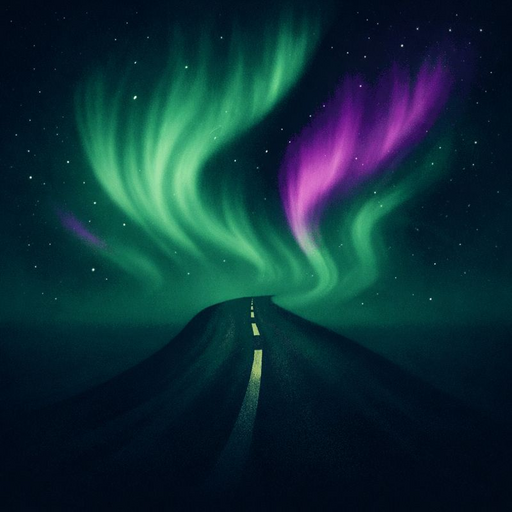
One of August's unique bonuses is the potential for the season's first northern lights. As nights darken after August 20, faint aurora displays become possible on clear, dark nights away from light pollution. These are not the vivid, dancing curtains of midwinter, but the green glow on the northern horizon is unmistakable and exciting as a preview of the aurora season to come. For the best chance, head to north Iceland or rural areas far from Reykjavik, and check the aurora forecast at vedur.is. Do not plan your trip around August aurora -- think of it as a pleasant surprise rather than a guarantee.
🐧 Last Puffins of the Season
Puffins begin departing their nesting colonies in mid to late August, heading back to the open North Atlantic where they spend the winter. Early August is still excellent for puffin watching at the Westman Islands, Latrabjarg, Borgarfjordur Eystri, and Dyrholaey. By the third week of August, numbers start declining, and by month's end most birds have left. If puffins are a priority, visit in the first two weeks of August for reliable sightings. The Westman Islands are particularly special in August -- this is when young pufflings (baby puffins) emerge from their burrows at night and sometimes become disoriented by town lights, leading to the charming local tradition of children rescuing and releasing them toward the sea.
♨️ Hot Springs and Swimming
August's mild temperatures make geothermal bathing especially enjoyable. The Blue Lagoon and Myvatn Nature Baths are open year-round, but August's warm air means you can linger comfortably between dips. Wild hot springs like Hrunalaug near the Golden Circle, Seljavallalaug in the south, and the hot river at Reykjadalur are all at their most accessible. Iceland's municipal swimming pools are a daily ritual for locals -- each town has its own outdoor pool with hot tubs, water slides, and steam rooms. Entry costs around 1,000 ISK (about 7 USD), making this one of Iceland's best affordable activities.
💡 Practical Tips for August
💰 Costs and Booking
August prices are high but noticeably lower than July's peak, especially in the second half of the month. Rental cars cost roughly 12,000-20,000 ISK per day (85-145 USD), compared to 15,000-25,000 ISK in July. Hotels in Reykjavik range from 22,000-40,000 ISK per night (160-290 USD), with countryside guesthouses at 18,000-30,000 ISK. Camping remains the budget option at 1,500-2,500 ISK per person per night. Booking 3-4 months ahead is generally sufficient. For the best value, target the last two weeks of August -- you get summer conditions with shoulder-season pricing starting to kick in. Flights are typically 10-20 percent cheaper than July departures.
🚗 Driving and Crowds
Road conditions in August are excellent. The Ring Road is fully clear, and all Highland F-roads remain open. The main driving challenge is increased fog along the south and east coasts. Always drive with headlights on (required by law year-round) and slow down in fog. Check road conditions at road.is daily, especially if heading to the Highlands. Fill up before entering remote areas where stations can be 150+ km apart.
Early August is still busy, but after August 15, crowds drop noticeably as European school holidays end. Late August offers shorter queues, easier parking, and the ability to enjoy sites with fewer people. For the quietest experience, combine late August with destinations in north and east Iceland -- the Trollaskagi Peninsula, Eastfjords, and Strandir coast are wonderfully uncrowded.
📋 Sample 4-Day August Itinerary
Day-by-Day Plan
Day 1: Golden Circle and Berry Foraging. Drive the Golden Circle -- Thingvellir National Park, Geysir, Gullfoss. In the afternoon, hike in the Haukadalur area and forage for wild blueberries on the surrounding heath. Stay near Selfoss or Fludir, where you can soak in the Secret Lagoon.
Day 2: South Coast to Vik. Drive the south coast, stopping at Seljalandsfoss, Skogafoss, and Reynisfjara. Check Dyrholaey for the last puffins of the season. Continue to Vik for the night, or push on to Kirkjubaejarklaustur.
Day 3: Glaciers, Lagoon, and Highlands. Visit Skaftafell for a glacier walk. Continue to Jokulsarlon glacier lagoon and Diamond Beach. Alternatively, detour to Landmannalaugar via the Highland road (4WD required) for colorful mountains and a hot spring soak. Stay in the Vik area or Kirkjubaejarklaustur.
Day 4: Snaefellsnes Peninsula. Drive to Snaefellsnes. Visit Kirkjufell, Arnarstapi, Djupalonssandur, and Budir. On clear late-August evenings, scan the northern sky after 11pm for the season's first aurora. Return to Reykjavik.
✅ Pros and Cons of Visiting in August
Advantages
- Crowds thin mid-month -- noticeably fewer visitors than July after August 15
- Prices 10-20% lower than July -- better deals on cars, hotels, and flights
- Berry season -- wild blueberries, crowberries, and bilberries ripe for foraging
- Thjodhatid festival -- Iceland's biggest outdoor cultural celebration
- First aurora possible -- the exciting return of northern lights in late August
- All roads still open -- full Highland F-road access remains
- Manageable daylight -- 16-19 hours is plenty without the sleep disruption of 24-hour light
Disadvantages
- Still expensive -- prices remain well above winter and shoulder season levels
- Early August still crowded -- first two weeks are nearly as busy as July
- Puffins departing -- numbers decline after mid-August, gone by September
- More rain than July -- weather becomes less stable as summer wanes
- Fog on south/east coast -- can reduce visibility for driving and sightseeing
- Midges still active -- Myvatn area insects persist through August
❓ Frequently Asked Questions
Is August a good time to visit Iceland?
August is an excellent time to visit, and many experienced Iceland travelers prefer it to July. All roads are open, all tours run, and summer weather persists. The key advantage is that crowds thin significantly after mid-August when European school holidays end, and prices drop 10-20 percent compared to July. You also get bonuses that July lacks -- berry foraging season, the Thjodhatid festival, the puffling rescue tradition on the Westman Islands, and the possibility of early aurora sightings. If you have flexibility, the second half of August offers the best value-to-experience ratio of any summer period.
Can you see the northern lights in Iceland in August?
Possibly in late August. Around August 20-25, nights begin getting dark enough for faint northern lights to become visible on clear nights away from light pollution. These early-season aurora displays are typically subtle -- a green glow on the northern horizon rather than vivid curtains of light -- but they are unmistakable and exciting as the first hint of the coming aurora season. For dedicated aurora hunting, September through March is far more reliable. If you happen to be in Iceland in late August, check the aurora forecast and head to a dark location on clear nights -- you might get lucky.
What is the Thjodhatid festival in Iceland?
Thjodhatid (literally "National Festival") is Iceland's largest outdoor gathering, held annually on the Westman Islands on the first weekend of August. The festival traces its roots to 1874, when bad weather prevented Westman Islanders from reaching the mainland celebrations of Iceland's constitution. They held their own party instead, and it became a tradition. Today, around 15,000 people camp in Herjolfsdalur valley for a weekend of live music, bonfires, fireworks, singing, and communal celebration. Getting there requires the Landeyjahofn ferry or a flight from Reykjavik -- book transportation well in advance as capacity is limited.
Are the Highland F-roads still open in August?
Yes. All major Highland F-roads remain open throughout August, and conditions are generally excellent. Routes to Landmannalaugar (F208/F225), Askja (F88/F910), Thorsmork (F249), Kerlingarfjoll (F35), and Sprengisandur (F26) are all accessible with a proper 4WD vehicle. In rare cases of very early snowfall, the highest-elevation roads may see temporary closures in the last days of August, but this is uncommon. Always check road.is for current status and river conditions before heading into the Highlands. Highland buses from Reykjavik and Akureyri continue running throughout August for those who prefer not to drive F-roads themselves.