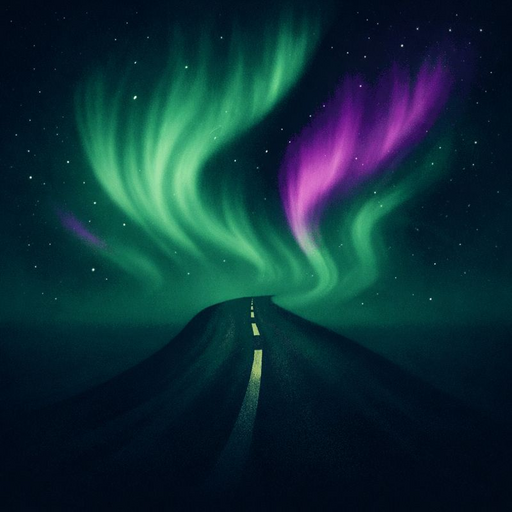
Iceland in January - Northern Lights, Ice Caves & Winter Magic
Local's guide to visiting Iceland in its darkest, most affordable, and most magical month
~4-7 hours
Sunrise ~11:20, Sunset ~15:45
-1 to 2 degrees C
Wind chill feels colder
Very low
One of the quietest months
Lowest of the year
40-60% off summer rates
Weather & Daylight in January
January Reality Check
January is Iceland's darkest month, with as little as 4 hours of direct sunlight in early January. But the darkness is exactly what makes this month special -- it is the foundation for the best northern lights viewing and the most vivid blue ice caves. If you come prepared for the cold and limited light, January can be one of the most rewarding times to visit Iceland.
What the Weather Actually Feels Like
Average temperatures in Reykjavik hover between -1 and 2 degrees Celsius (30-36 degrees Fahrenheit) in January, but the real story is the wind. Atlantic storms sweep across Iceland regularly, and wind chill can push the "feels like" temperature to -10 degrees Celsius or lower. Snowfall is common but usually not extreme in the lowlands -- Reykjavik might see a few centimeters at a time, while the highlands and north receive much more. The weather changes rapidly, so check vedur.is every morning and be prepared to adjust your plans.
The twilight hours are beautiful in January. Even when the sun is below the horizon, the sky fills with soft pinks, purples, and oranges for an hour or more before sunrise and after sunset. By late January, daylight increases noticeably -- you gain roughly 3-4 minutes per day, and by month's end you will have close to 7 hours of daylight.
Top Things to Do in Iceland in January
Northern Lights Hunting
January offers some of the longest dark windows for northern lights viewing in Iceland. With up to 19 hours of darkness, you have multiple opportunities each night to spot the aurora. The key factors are clear skies and solar activity -- check the aurora forecast at vedur.is and aim to get away from Reykjavik's light pollution. Popular viewing spots include the Grotta lighthouse area, the Snaefellsnes Peninsula, and anywhere along the south coast. Many tour operators run northern lights bus trips from Reykjavik that chase clear skies across the region, typically costing 6,000-9,000 ISK (around 40-60 EUR). Self-driving gives you more flexibility, but winter road conditions require experience and caution.
Ice Cave Exploration
January is prime season for natural ice caves inside Vatnajokull glacier. The cold temperatures keep the ice rock-solid, and the blue color is at its most intense. Guided tours depart from Jokulsarlon glacier lagoon and the Skaftafell area, typically lasting 3-4 hours including transport to the cave entrance. Expect to pay 19,000-25,000 ISK (130-170 EUR) per person. Book at least a few days in advance, as popular time slots sell out even in winter. Each year's caves are different -- meltwater carves new formations every summer, which then freeze into stunning blue tunnels and chambers by winter. Conditions can vary day to day, and tours may be cancelled if weather makes access unsafe.
Soak in Hot Springs
There is nothing quite like sitting in a hot spring while snow falls around you and the northern lights dance overhead. January is arguably the best month for this quintessentially Icelandic experience. The Blue Lagoon is the most famous option (book well in advance -- prices start around 9,990 ISK / 70 EUR), but do not overlook Reykjavik's excellent municipal pools like Vesturbaejarlaug and Laugardalslaug, where entry costs just 1,200 ISK (about 8 EUR). For a wilder experience, the Reykjadalur hot river near Hveragerdi is accessible in winter with proper footwear and caution, though the trail can be icy.
Golden Circle in Winter
The Golden Circle -- Thingvellir National Park, the Geysir geothermal area, and Gullfoss waterfall -- is stunning in January. Thingvellir's lava fields and Silfra fissure are dusted with snow, Strokkur geyser erupts against a backdrop of white, and Gullfoss is partially frozen, with enormous icicles framing the cascading water. The route is well-maintained in winter and can be driven in a single day, even with limited daylight. Start early to maximize your time, and carry a headlamp for the walk to viewpoints if you run out of daylight. Silfra snorkeling operates year-round, with the spring-fed water staying a constant 2 degrees Celsius -- the dry suit keeps you comfortable.
South Coast Day Trip
The south coast between Reykjavik and Vik offers some of Iceland's most iconic sights. Seljalandsfoss and Skogafoss waterfalls are dramatic in winter, sometimes framed by thick ice. Reynisfjara black sand beach is hauntingly beautiful under grey January skies, with the basalt columns and Reynisdrangar sea stacks rising from the dark sand. Be extremely careful at Reynisfjara -- sneaker waves are dangerous year-round and more frequent in winter storms. The Diamond Beach near Jokulsarlon, where glacier ice chunks wash onto black sand, is at its best in January when the ice is abundant and the low winter light makes the crystals glow.
Reykjavik Culture and Thorrablot Festival
With limited daylight, January is ideal for Reykjavik's indoor attractions: the Harpa concert hall, National Museum, Settlement Exhibition, and Perlan museum. Late January brings Thorrablot, a traditional midwinter festival where Icelanders eat cured and fermented foods like hakarl (fermented shark) and svid (singed sheep's head). Many restaurants offer Thorrablot tasting menus -- a unique cultural experience.
Snowmobiling and Glacier Walks
Glacier walks and snowmobile tours operate throughout January. Langjokull glacier offers snowmobiling on its vast ice cap, with tours departing from the Golden Circle area (from about 22,000 ISK / 150 EUR). Glacier walks on Vatnajokull or Solheimajokull provide a more intimate experience, hiking across ancient ice with crampons and an experienced guide (from 12,000 ISK / 80 EUR). These activities are weather-dependent and may be cancelled in extreme conditions, so keep your itinerary flexible.
What to See in January
Natural Highlights This Month
January transforms Iceland into a winter wonderland. The Snaefellsnes Peninsula is particularly beautiful, with Snaefellsjokull glacier and Kirkjufell mountain covered in snow. Jokulsarlon glacier lagoon is filled with icebergs vivid against the dark winter sky. The geothermal areas around Geysir, Namafjall, and the Reykjanes Peninsula steam dramatically in the cold air, creating surreal clouds of vapor against the frozen landscape.
Wildlife is limited but present. Icelandic horses are out year-round, their thick winter coats making them photogenic against snowy backdrops. Seabirds like eiders and fulmars overwinter along the coast, and reindeer herds roam the east.
Practical Tips for January
Driving Conditions
Winter Driving Is Serious in Iceland
January road conditions can be challenging. Route 1 around the south coast and Golden Circle are generally well-maintained, but black ice, blowing snow, and sudden whiteout conditions are real risks. Rent a 4WD vehicle with studded winter tires, and always check road.is before driving anywhere. Highland F-roads are completely closed. Some roads in the Westfjords and north may close temporarily during storms. If you are not confident driving in winter conditions, consider guided tours instead. Never drive off marked roads, and always tell someone your plans.
Costs and Booking
January is one of the cheapest months to visit Iceland. Round-trip flights from Europe start around 80-150 EUR, and from North America around 250-400 USD. Hotel rooms in Reykjavik that cost 30,000-50,000 ISK per night in July can be found for 12,000-20,000 ISK in January. Rental cars are similarly discounted -- a basic 4WD that costs 20,000 ISK per day in summer might be 7,000-10,000 ISK in January. The main exception is the period around New Year's Eve (roughly January 1-5), when holiday demand keeps prices elevated. Booking 2-4 weeks ahead is usually sufficient for January, except for ice cave tours which should be booked at least a week in advance. Check our budget tips for more ways to save.
Sample 5-Day January Itinerary
Suggested Day-by-Day Plan
Day 1: Arrive and Explore Reykjavik. Pick up your rental car at Keflavik Airport and drive to Reykjavik (45 minutes). Explore Hallgrimskirkja, Harpa concert hall, and Laugavegur street. Visit a municipal pool for your first geothermal soak. Evening aurora hunt from Grotta lighthouse if skies are clear.
Day 2: Golden Circle. Depart early for Thingvellir National Park, Strokkur geyser at Geysir, and the partially frozen Gullfoss waterfall. Add Silfra snorkeling if conditions allow. Return to Reykjavik via Nesjavellir geothermal area. Evening northern lights session.
Day 3: South Coast. Drive to Seljalandsfoss and Skogafoss waterfalls, continue to Reynisfjara black sand beach and onward to Jokulsarlon glacier lagoon and Diamond Beach. Overnight near Vik or Jokulsarlon. Aurora viewing from the dark south coast.
Day 4: Ice Cave Tour. Morning ice cave tour from Jokulsarlon (pre-booked, 3-4 hours including super jeep transport). Afternoon return drive to Reykjavik, or stay another night to add a glacier walk in the Skaftafell area.
Day 5: Blue Lagoon and Departure. Morning soak at the Blue Lagoon (20 minutes from Keflavik Airport) or Sky Lagoon in Kopavogur. If time allows, explore the Reykjanes Peninsula's volcanic landscapes and Gunnuhver hot springs before your flight.
Pros & Cons of Visiting Iceland in January
Pros
- Best northern lights viewing -- longest dark nights of the year give you the most aurora opportunities
- Ice caves at their best -- cold temperatures keep glacier ice stable and vivid blue
- Lowest prices of the year -- flights, accommodation, and car rental are 40-60% cheaper than summer
- Minimal crowds -- enjoy Iceland's top attractions without the summer queues
- Unique winter landscapes -- snow-covered volcanoes, frozen waterfalls, and dramatic coastal scenery
- Thorrablot cultural festival -- a uniquely Icelandic midwinter tradition
Cons
- Very limited daylight -- only 4-7 hours, requiring careful planning of outdoor activities
- Cold and stormy weather -- wind chill can be severe, and storms may disrupt plans
- Challenging driving conditions -- ice, snow, and darkness make self-driving demanding
- Highland roads closed -- no access to the interior or F-roads
- Some attractions closed -- whale watching, puffin viewing, and some rural guesthouses are seasonal
- Weather-dependent activities -- ice cave and aurora tours can be cancelled due to conditions
Frequently Asked Questions
Is January a good time to visit Iceland?
January is excellent if your priorities are northern lights, ice caves, and affordable travel. It is one of the cheapest months to visit, crowds are minimal, and the dark skies provide optimal aurora conditions. You need to accept the trade-offs: very limited daylight, cold weather, and the possibility of storm disruptions. If you are flexible and come prepared, January rewards you with experiences that are impossible in summer.
How cold is Iceland in January?
Reykjavik averages -1 to 2 degrees Celsius (30-36 degrees Fahrenheit), but wind chill regularly makes it feel like -5 to -15 degrees Celsius. The north and east are colder, with Akureyri averaging -2 to 1 degrees Celsius. Dress in thermal base layers, a warm mid-layer, and a windproof, waterproof outer shell. Bring a warm hat, gloves, and a buff or balaclava for your face. See our packing guide for a full winter checklist.
Can you see the northern lights in Iceland in January?
January is one of the absolute best months for northern lights in Iceland. The long, dark nights give you 17-19 hours of potential viewing time. You still need clear skies -- overcast conditions block the aurora entirely. Budget at least 3-4 nights in Iceland to maximize your chances, and use the aurora forecast at vedur.is to plan your viewing. Getting out of Reykjavik to avoid light pollution dramatically improves visibility.
How many hours of daylight does Iceland get in January?
Early January has about 4-5 hours of direct sunlight, with sunrise around 11:20 AM and sunset around 3:45 PM. By the end of January, daylight stretches to about 7 hours. However, the twilight periods before sunrise and after sunset add roughly 1-2 hours of usable ambient light on each end, so you have more sightseeing time than the raw numbers suggest.
Are ice caves open in January in Iceland?
Yes, January is one of the best months for ice caves. The freezing temperatures keep the glacier ice stable, making the caves safe to enter. Guided tours operate daily from the Jokulsarlon and Skaftafell areas, weather permitting. Tours cost 19,000-25,000 ISK (130-170 EUR) per person and should be booked in advance. Each year's caves are unique -- some years produce enormous blue chambers, while others offer smaller but equally beautiful formations.