Iceland in February - Aurora Season, Ice Caves & Affordable Travel
Local's guide to Iceland as the light returns -- northern lights, festivals, and winter value
~7-10 hours
Noticeably longer than Jan
-1 to 3 degrees C
Storms can be fierce
Low
Slight Valentine's uptick
Very affordable
Near year-low prices
Weather & Daylight in February
February: The Sweet Spot of Winter
February is often overlooked in favor of January's deep winter or March's longer days, but it deserves attention. You get significantly more daylight than January (7-10 hours versus 4-7), northern lights and ice caves are still in peak condition, and prices remain near their annual lows. The biggest wildcard is weather -- February can deliver Iceland's most powerful winter storms, but also its most spectacular clear days.
What to Expect from the Weather
Temperatures in Reykjavik average -1 to 3 degrees Celsius (30-37 degrees Fahrenheit), similar to January but with a slight warming trend. The real variable is wind -- Atlantic storms can bring gusts exceeding 100 km/h, making outdoor activities impossible on the worst days. These storms typically last 1-2 days before clearing, so build flexibility into your itinerary. Between storms, February can produce crystal-clear days with calm winds and stunning visibility.
Daylight increases rapidly through February: from roughly 7-8 hours at the start (sunrise ~10:15 AM, sunset ~5:30 PM) to over 10 hours by month's end (sunrise before 9:00 AM, sunset after 6:30 PM). The low sun angle produces beautiful golden light for photography that lasts for hours.
Top Things to Do in Iceland in February
Northern Lights
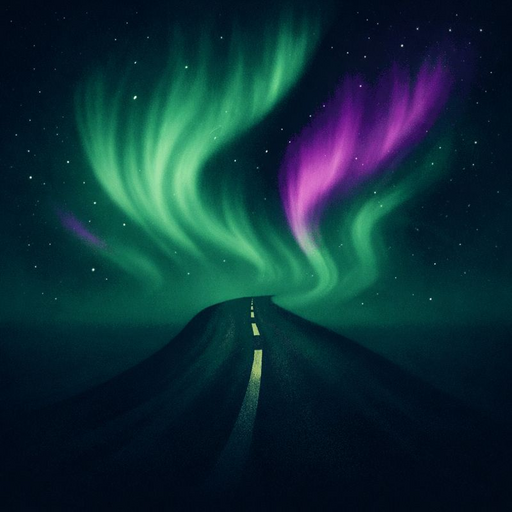
February remains one of the best months for northern lights viewing. You still get 14-17 hours of darkness each night, and the slightly warmer temperatures compared to January make standing outside more comfortable during long aurora sessions. February also tends to have more settled weather patterns between storms, increasing your chances of clear skies. The best viewing spots remain the same: drive 30-45 minutes from Reykjavik to escape light pollution, or head to the Snaefellsnes Peninsula, the south coast, or north Iceland near Akureyri. Check the aurora forecast and cloud cover predictions at vedur.is before heading out. Budget 3-4 nights in the country to give yourself the best odds of seeing a display.
Ice Cave Tours
Natural ice caves inside Vatnajokull glacier are still in excellent condition in February. The cold temperatures keep the ice solid and safe, and the blue coloring is vivid. Guided tours depart daily from Jokulsarlon glacier lagoon and Skaftafell, lasting 3-4 hours (including super jeep transport to the cave entrance). Prices range from 19,000-25,000 ISK (130-170 EUR) per person. February is actually a smart choice for ice caves because the longer daylight lets you combine a cave tour with other south coast sightseeing on the same day, something that is much harder in January when you lose the light earlier.
Winter Lights Festival (Vetrarhatid)
Reykjavik's annual Winter Lights Festival (Vetrarhatid) takes place in February, celebrating the return of longer days after the dark winter months. The festival includes dramatic light installations projected onto buildings around the city, Museum Night (Menningarnott) with free admission to dozens of museums and galleries that stay open late, and Pool Night where Reykjavik's geothermal swimming pools host special events with music, decorations, and extended hours. The festival usually spans a long weekend and is a highlight of Reykjavik's cultural calendar. It is a uniquely Icelandic celebration that most tourists never hear about -- attending gives you an authentic glimpse into local life.
Valentine's Day in Iceland
Iceland has become a popular Valentine's destination. Soaking in a hot spring under the northern lights, exploring ice caves together, and dining in Reykjavik's intimate restaurants makes for an unforgettable couples' trip. The Blue Lagoon and Sky Lagoon both make romantic evening visits. Accommodation prices see a slight bump around February 14, but the overall cost remains far below summer levels.
Snaefellsnes Peninsula Day Trip
With the extra daylight February provides, a full day trip to the Snaefellsnes Peninsula becomes much more viable than in January. The 2-hour drive from Reykjavik brings you to Kirkjufell mountain (one of Iceland's most photographed locations), the dramatic coastal formations at Arnarstapi and Londrangar, and the charming fishing village of Stykkisholmur. Snaefellsjokull glacier dominates the western tip of the peninsula and is stunning against winter skies. The roads to Snaefellsnes are well-maintained but can be affected by storms, so check conditions on road.is before departing. Allow a full day and bring food, as restaurant options are limited in winter.
Geothermal Bathing
February's mix of cold air and steaming water makes hot springs especially magical. Beyond the Blue Lagoon, consider the Myvatn Nature Baths in north Iceland (less crowded and more affordable than the Blue Lagoon at around 6,500 ISK / 45 EUR), or Reykjavik's municipal pools where locals gather year-round. For adventure seekers, the wild hot springs scattered across the countryside offer a raw, authentic experience -- but reaching them in winter requires proper preparation and local knowledge. The contrast of sitting in 38-40 degree Celsius water while snow falls around you in freezing air is one of Iceland's most memorable sensations.
Whale Watching from Reykjavik
While summer is peak whale watching season, some operators in Reykjavik run winter tours through February. Species spotted include minke whales, white-beaked dolphins, and harbor porpoises. Success rates are lower than summer (around 50-70% versus 95%+), and the cold, rough seas make it a hardier experience. But winter whale watching has its own charm -- the low light, dramatic seas, and possibility of seeing aurora from the boat make it memorable. Tours cost around 10,000-12,000 ISK (70-80 EUR) and usually last 3 hours. Dress extremely warmly, even with the overalls provided by tour companies.
What to See in February
Natural Highlights This Month
Snow cover is typically at its deepest in February. Waterfalls along the south coast -- Seljalandsfoss, Skogafoss, and Svartifoss -- are dramatic with thick ice formations. Jokulsarlon glacier lagoon is filled with icebergs, and Diamond Beach is at its most spectacular with abundant ice chunks sparkling against the black volcanic sand. The Reykjanes Peninsula near Keflavik Airport offers easy access to volcanic landscapes, including Gunnuhver hot springs where steam billows dramatically in the cold air. Geothermal areas across Iceland are at their most photogenic in February.
Practical Tips for February
Driving and Road Conditions
February Storms Can Be Severe
February is one of Iceland's stormiest months. While Route 1 and major roads are kept open, severe storms can temporarily close sections and make driving dangerous. Always check road.is and vedur.is before heading out. Rent a 4WD with winter tires, drive with headlights on at all times, and carry an emergency kit. If a red weather warning is issued, do not drive -- stay in your accommodation and wait it out. The storms pass, and the clear days that follow are often the most beautiful. See our driving guide for comprehensive winter driving advice.
Costs and Value
February offers outstanding value for Iceland visitors. Flights from Europe typically cost 80-180 EUR round-trip, and from North America 250-450 USD. Accommodation in Reykjavik averages 12,000-22,000 ISK per night for a hotel room, compared to 30,000-55,000 ISK in summer. Rental cars (4WD recommended) run 7,000-12,000 ISK per day versus 18,000-25,000 ISK in July. The Valentine's Day period (February 13-16) sees a modest price increase, particularly for higher-end restaurants and romantic hotels, but it is still far cheaper than any summer week. Our budget guide has detailed tips for stretching your money further.
Sample 4-Day February Itinerary
Suggested Day-by-Day Plan
Day 1: Arrive and Winter Lights Festival. Pick up your rental car at Keflavik and drive to Reykjavik. If visiting during the Winter Lights Festival, explore light installations, Museum Night (free gallery admission), and Pool Night at municipal pools. Check the aurora forecast -- if clear, drive 20 minutes out of town for a northern lights session.
Day 2: South Coast and Ice Cave. Early start for the south coast. Stop at Seljalandsfoss and Skogafoss waterfalls, continue past Vik and Reynisfjara beach to Jokulsarlon glacier lagoon and Diamond Beach. Afternoon ice cave tour (pre-booked). Overnight near Vik or Jokulsarlon. February's longer daylight makes this route much more comfortable than January.
Day 3: Golden Circle. Drive back via the Golden Circle. Visit snow-covered Thingvellir National Park, Strokkur geyser, and ice-framed Gullfoss waterfall. Optional Silfra snorkeling. Afternoon return to Reykjavik. Evening dinner and aurora hunt if skies cooperate.
Day 4: Blue Lagoon or Snaefellsnes, Then Depart. Option A: Morning soak at the Blue Lagoon (20 minutes from the airport) or Sky Lagoon. Option B: Half-day Snaefellsnes trip to see Kirkjufell and Arnarstapi. Option C: Explore the Reykjanes Peninsula's volcanic landscapes and Gunnuhver hot springs near the airport.
Pros & Cons of Visiting Iceland in February
Pros
- More daylight than January -- 7-10 hours gives you significantly more sightseeing time
- Excellent northern lights -- still plenty of dark hours and often better weather stability
- Ice caves in great condition -- cold temperatures keep the glacier ice solid and blue
- Very affordable -- prices remain near annual lows for flights, hotels, and rental cars
- Winter Lights Festival -- a unique cultural event that most tourists miss
- Romantic atmosphere -- hot springs, aurora, and cozy restaurants make a great couples' trip
- Beautiful winter photography -- low sun angle creates golden light lasting for hours
Cons
- Powerful winter storms -- February can bring the fiercest storms of the year
- Road closures possible -- storms can temporarily shut roads and cancel tours
- Still cold -- wind chill makes it feel significantly below freezing
- Highland roads closed -- no access to F-roads or the interior
- Limited rural services -- some guesthouses and restaurants outside Reykjavik close for winter
- Whale watching unreliable -- success rates are lower than summer
Frequently Asked Questions
Is February a good time to visit Iceland?
February is an excellent time to visit Iceland, especially if you want northern lights, ice caves, and affordable prices without January's extreme darkness. You get 7-10 hours of daylight (compared to January's 4-7), the Winter Lights Festival adds cultural depth, and prices remain near their annual lows. The main risk is severe storms, which can disrupt plans for a day or two. Build flexibility into your itinerary and February rewards you with an outstanding winter Iceland experience.
How much daylight does Iceland get in February?
Early February has about 7-8 hours of daylight, with sunrise around 10:15 AM and sunset around 5:30 PM. By late February, daylight stretches past 10 hours, with sunrise before 9:00 AM and sunset after 6:30 PM. The extended twilight periods add another 1-2 hours of usable light on each end. The rapid increase in daylight through February is noticeable from day to day and makes a real difference in how much you can see and do.
Can you still see the northern lights in February?
Yes, February is one of the best months for northern lights. There are still 14-17 hours of darkness each night, providing ample viewing windows. February often offers more weather stability between storms compared to January, which can improve your chances of clear skies. The aurora is just as active in February as in any other winter month -- it depends on solar activity, not the calendar. Use the aurora forecast at vedur.is and plan multiple viewing attempts across your trip.
What is the Winter Lights Festival in Reykjavik?
Vetrarhatid (Winter Lights Festival) is Reykjavik's annual celebration of the returning light, usually held over a long weekend in February. Highlights include dramatic light installations projected onto buildings throughout the city, Museum Night (Menningarnott) with free access to dozens of museums and galleries that stay open late into the night, and Pool Night where municipal swimming pools host special events with music, decorations, and entertainment. The festival dates change each year, so check the Reykjavik city website for the current schedule. It is a wonderful, authentic Icelandic cultural experience.
How much does it cost to visit Iceland in February?
February is one of the most affordable months to visit Iceland. Expect to pay 80-180 EUR for round-trip flights from Europe, or 250-450 USD from North America. Hotels in Reykjavik average 12,000-22,000 ISK (80-150 EUR) per night. A 4WD rental car costs 7,000-12,000 ISK (50-80 EUR) per day. Dining out averages 3,000-5,000 ISK (20-35 EUR) for a main course at a mid-range restaurant. A well-planned 5-day February trip for two can cost 50-70% less than the same trip in July. See our budget tips for detailed cost breakdowns.