🌤️ December Weather & Daylight
The Darkest Month -- But Far From Bleak
December is Iceland's darkest month. Around the winter solstice on December 21, Reykjavik receives only about 4 hours of daylight, with the sun rising after 11 AM and setting before 3:30 PM. Temperatures average -2 to 3 degrees Celsius, but wind chill often makes it feel much colder, particularly near the coast where Atlantic winds are relentless. Snow blankets the landscape, and winter storms can arrive with little warning, bringing blizzard conditions and road closures. But December also brings a warmth of its own -- the glow of Christmas lights against the snow, the comforting heat of geothermal pools, and the magical flickering of the northern lights overhead.
Daylight and the Winter Solstice
The winter solstice on December 21 marks the shortest day of the year. In Reykjavik, sunrise occurs around 11:20 AM and sunset at about 3:20 PM, giving you roughly four hours of usable daylight. In the north of Iceland, near Akureyri, it is even shorter. The light that does appear is extraordinary -- a low, golden glow that paints the snow-covered landscape in warm tones for the brief hours it is visible. After the solstice, days begin getting longer, though the change is imperceptible at first. The extreme darkness is a trade-off that yields extraordinary rewards: the northern lights can appear as early as 4 PM and remain visible until 9 AM, giving you up to 17 hours of potential aurora viewing time each night.
🎯 Top Things to Do in December
🎄 Icelandic Christmas & the 13 Yule Lads
Icelandic Christmas is unlike Christmas anywhere else in the world. Instead of one Santa Claus, Iceland has 13 Yule Lads (Jolasveinar) -- the mischievous sons of the mountain troll Gryla and her lazy husband Leppaludi. Starting December 12, one Yule Lad arrives each night, placing gifts in the shoes of well-behaved children and rotten potatoes for the naughty. Each has a distinctive personality: Spoon-Licker (Thvoerusleikir), Candle-Stealer (Kertasnikir), Sausage-Swiper (Bjugnakraekir), and Meat-Hook (Ketkrokur), among others. They depart one by one starting December 25, with the last leaving on January 6 (Twelfth Night). Look for Yule Lad exhibitions at the Reykjavik City Museum and at shopping centers throughout the capital.
The highlight of Icelandic Christmas is Christmas Eve, December 24. Families exchange gifts at 6 PM after a festive dinner of smoked lamb (hangikjot), leaf bread (laufabraud), and rice pudding with a hidden almond. Midnight mass at Hallgrimskirkja church is a moving experience, even for non-religious visitors. The days between Christmas and New Year (jolahatid) are a time of visiting family, eating, and cozy togetherness.
🎆 New Year's Eve in Reykjavik
New Year's Eve (Gamlarskvold) in Reykjavik is legendary and unlike any other city on earth. Icelanders purchase enormous quantities of fireworks -- the proceeds fund the search-and-rescue teams that keep the country safe year-round. At midnight, the entire city erupts in a massive, uncoordinated amateur fireworks display that rivals any professional show. The best viewing spots are Perlan, Hallgrimskirkja church, and the hill at Oskjuhlid, though the spectacle is visible from virtually anywhere in the city. Before midnight, most Reykjavik neighborhoods gather around communal bonfires -- the largest is at Aegissidubraut by the ocean. Many locals watch the annual New Year's comedy special (Aramotaskaup) on television before heading out. Bars and restaurants host celebrations but book up weeks in advance. The atmosphere is electric, joyful, and thoroughly Icelandic.
🧊 Ice Caves in Prime Condition
December is one of the best months for ice caves inside Vatnajokull glacier. The consistently cold temperatures keep the ice formations stable and the blue color at its most vivid. Guided tours depart daily from the Jokulsarlon and Skaftafell area, costing 20,000-25,000 ISK (140-175 USD) per person. Tours last 3-4 hours including transport to the cave entrance. The experience of walking through tunnels of ancient glacial ice, with light filtering through in shades of electric blue, is genuinely otherworldly. December's limited daylight means some tours operate in twilight or headlamp conditions, which adds to the atmosphere. Book well in advance, especially for the Christmas and New Year period when tours sell out quickly.
🌌 Northern Lights in the Long Dark
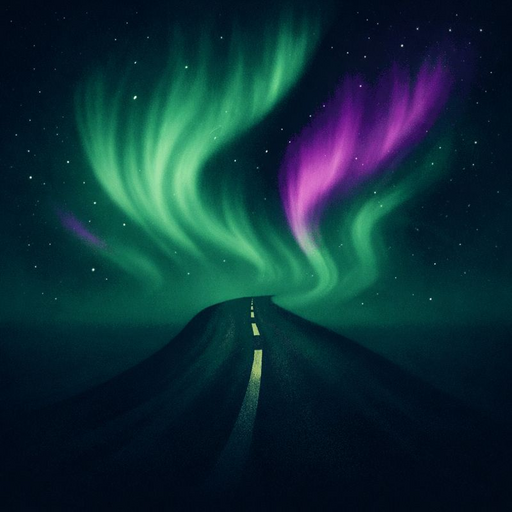
December's extreme darkness is a gift for aurora hunters. With up to 20 hours of darkness on the longest nights, the northern lights have maximum opportunity to appear. The aurora can be visible as early as 4 PM and as late as 9 AM. Clear skies are the essential ingredient -- December can be cloudy, so stay flexible and be willing to chase gaps in the cloud cover. The SkyRoad app provides real-time aurora forecasts and cloud cover maps. Popular viewing spots include Thingvellir National Park (40 minutes from Reykjavik), the Snaefellsnes Peninsula, and any rural location away from city light pollution. Some travelers combine aurora viewing with a soak in a countryside hot spring -- watching the lights dance overhead while immersed in geothermal water is unforgettable.
♨️ Hot Springs Against the Cold
December is arguably the best month for hot spring bathing in Iceland. The contrast between the icy air and steaming geothermal water is at its most extreme, creating an experience that is both invigorating and deeply relaxing. The Blue Lagoon is particularly atmospheric in December, with steam rising into the dark sky and the possibility of snow falling as you soak. Sky Lagoon offers infinity-edge ocean views. For something more local, visit Reykjavik's municipal pools -- Vesturbaejarlaug and Laugardalslaug are favorites where you can sit in outdoor hot tubs alongside Icelanders going about their daily routine. The Myvatn Nature Baths in the north are spectacular if you can reach them safely.
💡 Practical Tips for December
🚗 Driving Conditions
December driving in Iceland is serious winter driving. Snow, ice, black ice, and storm-force winds are common. Winter tires are legally required and a 4WD vehicle is essential. Always check road.is before setting out -- road closures are frequent. Daylight is extremely limited (4-5 hours), so most driving will be in darkness. Many travelers choose guided day tours rather than self-driving, which is reasonable for those without winter driving experience. If you do drive, stick to Route 1 on the south coast and the Golden Circle.
💰 December Costs
December pricing varies depending on when you visit. Early December (December 1-15) offers near-winter-low prices similar to November. The Christmas and New Year period (December 20 through January 2) sees a significant price spike -- flights can double and hotel rates jump 30-50 percent. If your dates are flexible, the first two weeks give festive atmosphere without holiday pricing. Budget 15,000-25,000 ISK per day (105-175 USD) for accommodation, 3,000-6,000 ISK for meals, and 8,000-15,000 ISK for a rental car. Budget travelers can reduce costs by cooking in guesthouse kitchens.
📅 Sample 4-Day December Itinerary
Day 1: Arrive, Blue Lagoon & Reykjavik
Arrive at Keflavik airport. Visit the Blue Lagoon or Sky Lagoon on your way into the city (a perfect antidote to jet lag). Settle into Reykjavik and explore the city center -- Hallgrimskirkja, Laugavegur shopping street, the Christmas market, and the old harbor area. Have dinner at one of Reykjavik's acclaimed restaurants. If skies are clear, take a northern lights tour or drive 30 minutes outside the city to hunt aurora.
Day 2: Golden Circle
Start early to maximize the limited daylight. Visit Thingvellir National Park (dramatic in snow, with the tectonic rift partially frozen), Geysir geothermal area (Strokkur erupts reliably regardless of season), and Gullfoss waterfall (spectacular with ice formations). Detour to the Secret Lagoon at Fludir or Fontana geothermal baths at Laugarvatn if time allows. Return to Reykjavik for the evening.
Day 3: South Coast & Ice Cave
Take a guided south coast and ice cave tour, or self-drive to Seljalandsfoss and Skogafoss waterfalls, then continue to Reynisfjara black sand beach -- sneaker waves are deadly year-round, maintain distance from the waterline. Continue east to Jokulsarlon glacier lagoon and join a guided ice cave tour inside Vatnajokull glacier. The blue ice caves at their most vivid are the highlight of many December trips. Stay overnight near the glacier lagoon.
Day 4: Diamond Beach, Return & Departure
Visit the Diamond Beach at sunrise (around 11 AM in December) for stunning ice-on-black-sand views. Drive back toward Reykjavik, stopping at any sites you missed. Browse Christmas Book Flood offerings at bookshops on Laugavegur or warm up in Vesturbaejarlaug swimming pool. Pick up souvenirs -- Icelandic wool, Omnom chocolate, or brennivín. Head to Keflavik airport for departure.
✅ December Pros & Cons
Pros
- Unique Christmas traditions: The 13 Yule Lads, Gryla, the Christmas Cat, and Icelandic holiday customs are unlike anywhere else
- New Year's Eve: Reykjavik's midnight fireworks display is a once-in-a-lifetime experience
- Ice caves prime condition: Cold temperatures keep Vatnajokull's ice caves stable and vivid blue
- Maximum northern lights: Up to 20 hours of darkness gives the aurora every chance to appear
- Winter wonderland scenery: Snow-covered landscapes, frozen waterfalls, and dramatic winter light
- Early December affordability: The first two weeks offer winter-low prices with festive atmosphere
Cons
- Extreme darkness: Only 4-5 hours of daylight severely limits sightseeing
- Holiday price spike: Christmas and New Year period sees significantly higher costs
- Holiday closures: Most of Iceland shuts down December 24-26 and January 1
- Challenging driving: Snow, ice, darkness, and storms make self-driving difficult
- Cold and harsh: Sub-zero temperatures with wind chill require serious winter clothing
- Limited access: Highland roads closed, some rural areas difficult to reach
❓ Frequently Asked Questions
What is Christmas like in Iceland?
Icelandic Christmas centers on December 24 (Adfangadagskvold), when families gather for a festive dinner and exchange gifts at 6 PM. Traditional dishes include smoked lamb (hangikjot), leaf bread (laufabraud), and rice pudding with a hidden almond. Instead of Santa Claus, Iceland has 13 Yule Lads who arrive one per night from December 12-24. The folklore also includes the troll Gryla, who boils naughty children, and the Christmas Cat (Jolakotturinn), who eats anyone without new clothing. Reykjavik is beautifully decorated and festive, with Christmas markets and concerts throughout the month.
How dark is Iceland in December?
December is Iceland's darkest month. Around the winter solstice (December 21), Reykjavik gets approximately 4 hours of daylight, with sunrise around 11:20 AM and sunset at about 3:20 PM. The light is low on the horizon and golden when it appears, but the window for outdoor sightseeing is very narrow. Plan your days carefully, prioritize your must-see sites during the light hours, and embrace the darkness for northern lights viewing, hot spring soaking, and exploring Reykjavik's indoor culture.
What is New Year's Eve like in Reykjavik?
New Year's Eve in Reykjavik is one of the most memorable celebrations in Europe. Icelanders buy fireworks from local search-and-rescue teams (the profits fund their operations), and at midnight the entire city launches fireworks simultaneously from backyards, streets, and hilltops. The result is a 360-degree fireworks spectacle that lasts 30-45 minutes. Before midnight, communities gather around bonfires -- the largest is at Aegissidubraut. Many locals watch the annual Aramotaskaup comedy show on TV. Bars and restaurants host celebrations, but reserve well in advance. The atmosphere is joyful, communal, and deeply Icelandic.
Are ice caves open in December in Iceland?
December is one of the best months for ice caves. Cold temperatures keep the formations inside Vatnajokull glacier stable, and the blue ice is at its most vivid. Guided tours operate daily from the Jokulsarlon and Skaftafell area, costing around 20,000-25,000 ISK (140-175 USD) per person. Tours last 3-4 hours including transport. Book well in advance for December, especially during the Christmas and New Year period. The man-made ice tunnel inside Langjokull glacier also operates year-round as an alternative.